

Ek Aalami Tareekh ( Maulana Usman Maroofi) Deoband Urdu
₹140.00
- Educational Value
- “Ek Aalami Tareekh” is highly valuable for:
- Historical Knowledge:
- Provides a broad understanding of world history from ancient times to the modern era.
- Comparative Analysis:
- Encourages understanding patterns and differences between civilizations.
- Cultural and Intellectual Literacy:
- Enhances awareness of literature, science, philosophy, and art across regions.
- Critical Thinking:
- Promotes analysis of causes, consequences, and patterns in history.
- Research and Academic Reference:
- Useful for students, educators, and researchers studying world history.
Out of stock
Ek Aalami Tareekh ( Maulana Usman Maroofi) Deoband Urdu
Book Overview
“Ek Aalami Tareekh” by Maulana Usman Maroofi is a comprehensive Urdu text that presents a global perspective on history, tracing the major civilizations, political developments, cultural evolutions, and significant historical events from ancient to modern times. Unlike regional histories, this book focuses on world history as an interconnected narrative, highlighting the interplay of civilizations, religions, economies, and political systems.
The book is intended for students, scholars, and general readers interested in a holistic understanding of world history. Maulana Maroofi combines chronological narration with analytical insights, presenting historical facts alongside interpretations that help readers understand causes, consequences, and patterns of human development.
The text is written in clear and accessible Urdu, making it suitable for readers seeking both educational content and historical understanding in their native language.
Author Background
Maulana Usman Maroofi is a respected historian and scholar known for:
Writing accessible historical works in Urdu for general and academic readership.
Presenting world history in a structured, chronological manner.
Analyzing historical events, causes, and effects, rather than simply listing dates and occurrences.
Emphasizing cultural, social, and intellectual aspects alongside political history.
Maroofi’s approach is educational, balanced, and scholarly, making complex global historical developments understandable for readers at multiple levels.
Content and Structure
“Ek Aalami Tareekh” is organized chronologically, covering major periods, civilizations, and events. Its content can be divided into the following sections:
1. Ancient Civilizations
Covers Mesopotamia, Egypt, Indus Valley, China, and Mesoamerican civilizations.
Discusses political organization, trade, social hierarchy, religious beliefs, and technological innovations.
Highlights key rulers, city-states, and early empires, emphasizing contributions to human progress.
2. Classical Civilizations
Explores Greek, Roman, Persian, and Indian classical cultures.
Highlights philosophy, governance, military strategy, law, and literature.
Discusses interactions between empires, wars, alliances, and cultural exchanges.
Introduces famous leaders, philosophers, and thinkers who shaped political and intellectual history.
3. Medieval Period
Chronicles Islamic civilization, European Middle Ages, and Asian empires.
Covers Delhi Sultanate, Mughal Empire, Ottoman Empire, and European monarchies.
Discusses trade routes, scientific advancements, education, art, and architecture.
Highlights religious, cultural, and intellectual developments during this era.
4. Renaissance and Enlightenment
Explains European Renaissance, humanism, and scientific revolution.
Highlights contributions of scientists, philosophers, and artists.
Discusses political changes, emergence of nation-states, and shifts in societal structures.
5. Modern World History
Chronicles colonialism, industrial revolution, and global conflicts.
Highlights World Wars, independence movements, and geopolitical changes.
Explains economic, social, and cultural transformations shaping modern societies.
6. Islamic World and Global Interaction
Shows contributions of Islamic civilization in science, philosophy, and governance.
Explains interactions between the Islamic world and other global powers.
Highlights historical trade networks, diplomatic relations, and cultural exchanges.
7. Themes of Progress and Decline
Discusses rise and fall of civilizations, emphasizing lessons from history.
Analyzes political mismanagement, economic crises, wars, and social unrest as causes of decline.
Highlights patterns of human behavior, governance, and cultural evolution.
Themes and Key Lessons
Rise and Fall of Civilizations:
Shows how leadership, governance, economy, and culture influence the longevity of societies.
Interconnection of Societies:
Highlights trade, diplomacy, cultural exchange, and intellectual interaction across regions.
Role of Religion and Philosophy:
Explains how religious beliefs and philosophical ideas shaped societies.
Conflict and Cooperation:
Analyzes wars, alliances, and treaties as drivers of historical change.
Scientific and Cultural Advancements:
Emphasizes education, arts, architecture, literature, and science in societal progress.
Ethical and Leadership Lessons:
Encourages readers to learn from historical successes and failures in governance and society.
Educational Value
“Ek Aalami Tareekh” is highly valuable for:
Historical Knowledge:
Provides a broad understanding of world history from ancient times to the modern era.
Comparative Analysis:
Encourages understanding patterns and differences between civilizations.
Cultural and Intellectual Literacy:
Enhances awareness of literature, science, philosophy, and art across regions.
Critical Thinking:
Promotes analysis of causes, consequences, and patterns in history.
Research and Academic Reference:
Useful for students, educators, and researchers studying world history.
Features
Chronological Organization: Covers ancient, classical, medieval, renaissance, and modern periods.
Global Perspective: Focuses on multiple civilizations and their interactions.
Analytical Approach: Explains causes and effects, rise and fall of empires, and cultural trends.
Accessible Urdu Language: Makes complex historical content understandable for Urdu readers.
Integration of Culture, Politics, and Society: Shows interconnectedness of historical events and social developments.
Practical Use
Academic Study:
Ideal for students of history, Islamic studies, and general world history.
Teaching Resource:
Useful in schools, colleges, and seminaries for teaching a holistic view of history.
Self-Study:
Enables readers to understand global historical patterns and interconnections.
Research Reference:
Provides chronological and analytical information for scholars studying historical trends.
Conclusion
“Ek Aalami Tareekh” by Maulana Usman Maroofi is a comprehensive Urdu work on world history, covering:
Ancient and classical civilizations
Medieval Islamic and European developments
Renaissance, Enlightenment, and modern world events
Political, cultural, economic, and intellectual history
The book emphasizes chronological clarity, global perspective, and analytical insight, making it an essential resource for students, scholars, and general readers interested in understanding history as an interconnected narrative.
By studying this book, readers gain:
Comprehensive knowledge of world civilizations and major historical events
Understanding of cultural, intellectual, and scientific contributions across societies
Insights into patterns of rise and decline of empires
Ethical and leadership lessons from history
Ek Aalami Tareekh thus serves as a key reference for global history in Urdu, combining scholarly rigor, educational clarity, and narrative readability, helping readers connect historical events with contemporary understanding.
Only logged in customers who have purchased this product may leave a review.
Related Products
- Hayatus Sahaba Part -1 Hazrat Maulana Muhammad Yusuf Kandhalvi Idara (Urdu)
Overarching Themes Across All Three Volumes
- Faith and Conviction
The Sahaba were ordinary people transformed into extraordinary personalities because of their unshakable belief in Allah and the Prophet ﷺ. - Sacrifice and Struggle
They gave up wealth, family ties, and even their lives for Islam. Their sacrifices laid the foundation of the global Muslim Ummah. - Worship and Spirituality
Their strength came from constant connection with Allah through salah, Qur’an, and dhikr. - Simplicity and Humility
Despite wealth or authority, they lived simply and avoided arrogance. - Dawah and Responsibility
They understood Islam as a global message and considered it their duty to spread it everywhere. - Justice and Character
Their honesty, compassion, and fairness won people’s hearts more than any sword or wealth.
- Faith and Conviction
3 in stock
- Hayatus Sahaba Part -3 Hazrat Maulana Muhammad Yusuf Kandhalvi Idara (Urdu)
Conclusion
Hayatus Sahaba Part 3 by Hazrat Maulana Muhammad Yusuf Kandhalvi (RA) completes the journey of the Sahaba’s lives by showing how they carried Islam to the world.
- It records their dawah efforts, their bravery in jihad, their sacrifices, and their role as just and compassionate leaders.
This volume is not just a history of expansion; it is a blueprint for Muslim life and responsibility. It teaches that:
- Islam is not private—it is a universal mission.
- Sacrifice and struggle are necessary for spreading truth.
- Justice, honesty, and compassion are the foundation of Islamic influence.
- Ordinary people, with extraordinary faith, can change the course of history.
1 in stock
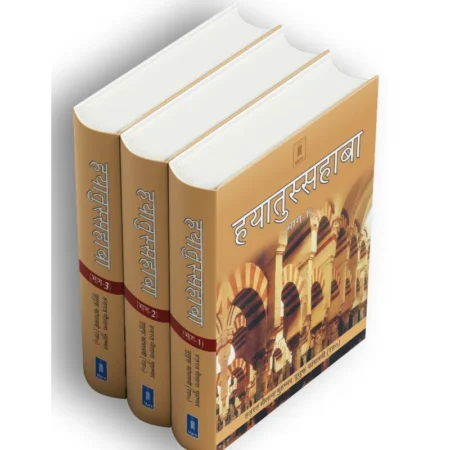
- Hayatus Sahaba Part 1,2&3 Hazrat Maulana Muhammad Yusuf Kandhalvi (Idara) Hindi
Overall Explanation and Themes
Taken together, the three parts of Hayatus Sahaba deliver timeless lessons:
- Faith and Conviction: The Sahaba’s faith was so strong that no torture, poverty, or danger could shake it.
- Love for the Prophet ﷺ: Their lives revolved around his guidance.
- Sacrifice and Simplicity: They abandoned worldly pleasures for the sake of Islam.
- Worship and Reliance on Allah: Their spiritual connection was the foundation of their strength.
- Global Responsibility: They considered spreading Islam a personal duty, not a communal option.
- Character and Justice: Their honesty and compassion won the hearts of nations.
3 in stock
1 in stock
Key Themes and Analysis
1. Administrative Changes Under Mughal Rule
2. Socio-Cultural Transformations
3. Economic Developments
4. Decline of Mughal Influence and Rise of Maratha Power
5. British Colonial Encroachment
1 in stock
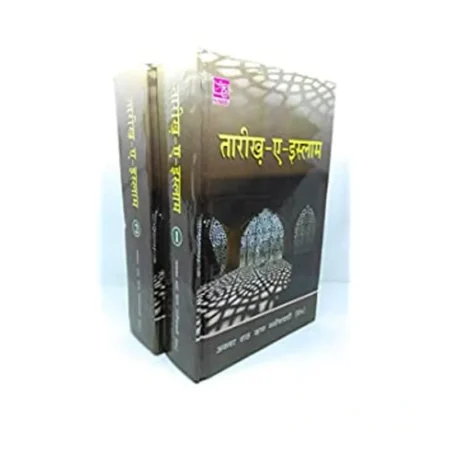
- Tarikh-E-Islam Akbar Shah Khan Najibabadi Al Hasanat (Hindi) 2 Volume Set
- Key Takeaways:
- Islam emerged in a challenging socio-political environment and transformed Arabian society through spiritual and ethical teachings.
- Prophet Muhammad’s (PBUH) leadership combined moral integrity, diplomacy, and strategic acumen.
- The Rashidun Caliphs laid the foundations of governance, justice, and expansion that shaped early Islamic history.
- Umayyad and Abbasid dynasties contributed to political consolidation and cultural flourishing.
- Islamic history provides timeless lessons in leadership, justice, morality, and social responsibility.
- Historical reflection is essential for understanding both the successes and pitfalls of past Muslim societies.
2 in stock

- Conclusion
- Mukhtasar Tareekh Mashaikh-e-Awadh by Dr. Razi Ahmad Kamal is a concise yet comprehensive study of the spiritual, cultural, and social contributions of Sufi saints in Awadh.
- The book highlights the spiritual guidance, ethical influence, and societal reform brought about by the Mashaikh.
- Sufi saints acted as moral exemplars, educators, and cultural patrons, shaping Awadh’s identity and leaving a lasting legacy.
- The work demonstrates how Islamic spirituality, when integrated with social and cultural engagement, creates a balanced and harmonious society.
- Key Takeaways:
- Sufi saints of Awadh were central to both spiritual guidance and societal welfare.
- Their teachings emphasized ethics, devotion, and service to humanity.
- Different Sufi orders (Chishti, Qadiri, Suhrawardi, Naqshbandi) contributed unique perspectives and practices.
- Saints influenced governance, culture, education, and interfaith harmony.
- The legacy of Awadh’s Mashaikh continues to inspire spirituality, literature, and cultural identity in the region.
2 in stock
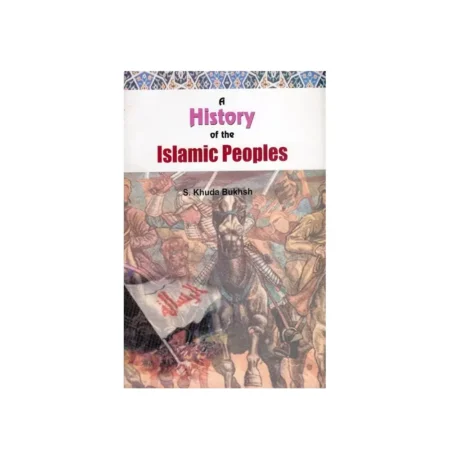
- A History Of The Islamic Peoples S Khuda Bukhsh (Adam Publishers) English
- The Scope of the Book
- The book covers the following broad areas:
- The Rise of Islam and the Prophet Muhammad (PBUH):
- The book begins with the Arabian background – a description of pre-Islamic Arabia, its tribal structure, culture, social conditions, and religious practices.
- It then moves to the life of Prophet Muhammad (peace be upon him), his mission, the revelation of the Qur’an, the struggles in Makkah, migration to Madinah, and the establishment of the first Islamic state.
- The author emphasizes how Islam brought moral, social, and spiritual reforms to a region deeply divided by tribalism and superstition.
- The Rashidun Caliphate (632–661 CE):
- Khuda Bukhsh describes the leadership of the four rightly guided caliphs (Abu Bakr, Umar, Uthman, Ali).
- He highlights the rapid expansion of Islam beyond Arabia into Syria, Iraq, Egypt, and Persia.
- Important administrative and legal reforms introduced by Caliph Umar are explained.
- The internal conflicts, especially during the caliphate of Uthman and Ali, are presented in a balanced way.
- The Umayyad Caliphate (661–750 CE):
- The book outlines the transformation of the caliphate into a hereditary monarchy under Muawiyah.
- It explains the expansion into North Africa, Spain (Andalusia), and Central Asia.
- Khuda Bukhsh also discusses the administrative centralization and cultural flowering of Damascus, the Umayyad capital.
2 in stock

- Islami Tareekh Muhammad Abdul Hayi Al Hasanat (Urdu)
- Conclusion
- Islami Tareekh by Muhammad Abdul Hayi provides a comprehensive overview of Islamic history in a manner that is both educational and spiritually instructive. Key contributions of the book include:
- Chronological Clarity: Covers the life of Prophet Muhammad ﷺ, the Rashidun Caliphs, major dynasties, and regional expansions.
- Integration of Faith and History: Events are analyzed not only historically but also for moral and spiritual lessons.
- Cultural and Intellectual Perspective: Highlights achievements in science, philosophy, literature, and governance.
- Guidance for Modern Muslims: Encourages understanding of historical models of leadership, justice, and piety.
- The book is particularly valuable for Urdu-speaking readers seeking a thorough understanding of Islamic history, from its inception to the challenges faced by Muslim societies in later centuries.
- Key Takeaways:
- Islam emphasizes faith, justice, knowledge, and social welfare.
- Leadership must combine morality, courage, and service to the people.
- Intellectual and cultural achievements are integral to the strength of Muslim civilization.
- History offers lessons in resilience, ethics, and spiritual development.
1 in stock

- The Alhambra Washington Irving (Goodword) English
- Key Takeaways:
- Islam emerged in a challenging socio-political environment and transformed Arabian society through spiritual and ethical teachings.
- Prophet Muhammad’s (PBUH) leadership combined moral integrity, diplomacy, and strategic acumen.
- The Rashidun Caliphs laid the foundations of governance, justice, and expansion that shaped early Islamic history.
- Umayyad and Abbasid dynasties contributed to political consolidation and cultural flourishing.
- Islamic history provides timeless lessons in leadership, justice, morality, and social responsibility.
- Historical reflection is essential for understanding both the successes and pitfalls of past Muslim societies.
1 in stock
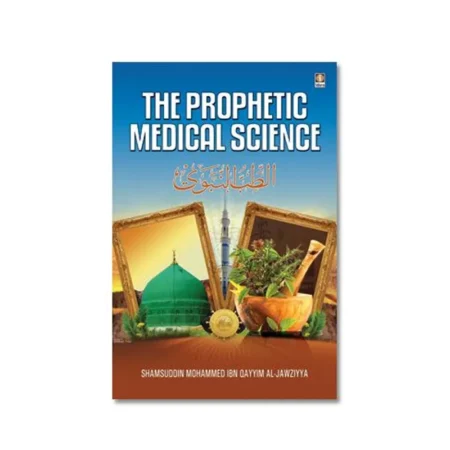
- The Prophetic Medical Science Shamsuddin Mohammed Ibn Qayyim Al-Jawziyya Idara (English)
- Purpose and Scope of the Book
- Preservation of Health in Islam: The book aims to highlight how Islam promotes personal hygiene, healthy living, and disease prevention.
- Spiritual and Ethical Integration: Prophetic medicine is not just physical; it incorporates mental and spiritual health.
- Practical Guidance: Offers remedies, preventive measures, and dietary recommendations that are relevant for contemporary readers.
- Educational Resource: Serves scholars, students, healthcare professionals, and anyone interested in the intersection of medicine and Islamic guidance.
- The book emphasizes that health is a divine trust and that human beings have a responsibility to care for their bodies and souls.
- 2. Concept of Health in Prophetic Medicine
- Holistic Approach: Health encompasses physical, mental, and spiritual well-being. A balanced lifestyle ensures harmony among body, mind, and soul.
- Preventive Care: Emphasizes diet, cleanliness, exercise, and moderation as primary means of disease prevention.
- Spiritual Health: Strong faith, prayer, gratitude, and ethical conduct are considered essential for overall well-being.
- Natural Remedies: The Prophet recommended natural substances like honey, black seed (Nigella sativa), dates, olive oil, and water for healing and maintenance of health.
1 in stock
1 in stock
Reviews
There are no reviews yet.