

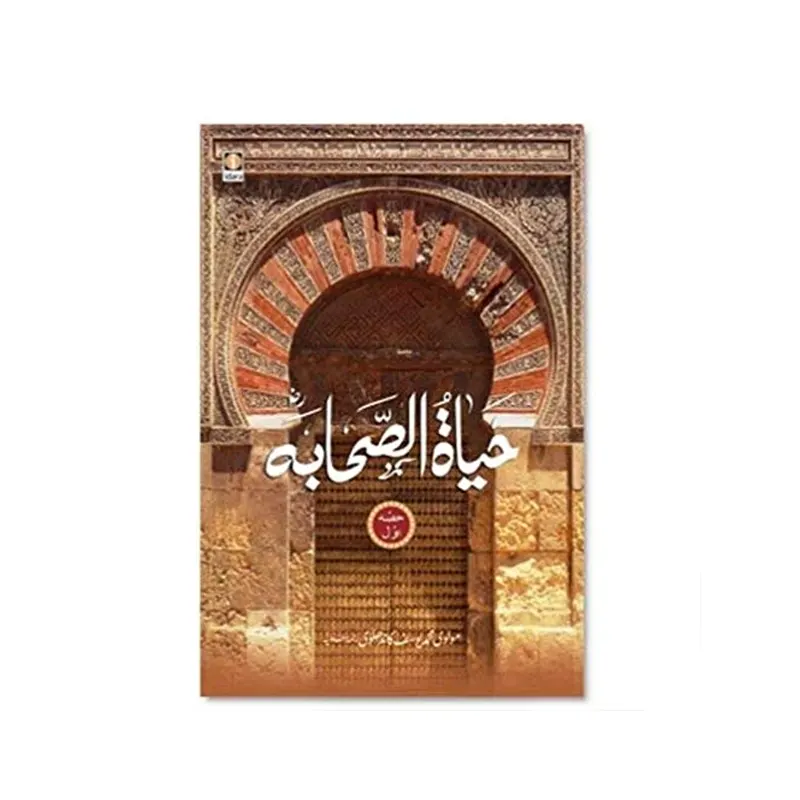
HAYATUS SAHABA PART 1,2 AND 3 (HAZRAT MAULANA MUHAMMAD YUSUF KANDHALVI) IDARA HINDI

Original price was: ₹340.00.₹320.00Current price is: ₹320.00.
- Hayatus Sahaba Part 1,2&3 Hazrat Maulana Muhammad Yusuf Kandhalvi (Idara) Hindi
Overall Explanation and Themes
Taken together, the three parts of Hayatus Sahaba deliver timeless lessons:
- Faith and Conviction: The Sahaba’s faith was so strong that no torture, poverty, or danger could shake it.
- Love for the Prophet ﷺ: Their lives revolved around his guidance.
- Sacrifice and Simplicity: They abandoned worldly pleasures for the sake of Islam.
- Worship and Reliance on Allah: Their spiritual connection was the foundation of their strength.
- Global Responsibility: They considered spreading Islam a personal duty, not a communal option.
- Character and Justice: Their honesty and compassion won the hearts of nations.
Hayatus Sahaba Part 1,2 And 3 (Hazrat Maulana Muhammad Yusuf Kandhalvi) Idara Hindi
Introduction
Hayatus Sahaba (“The Lives of the Companions”) is one of the most influential Islamic works written by Hazrat Maulana Muhammad Yusuf Kandhalvi (RA), the second Ameer of the Tablighi Jamaat. Spread across three volumes, the book is not merely a historical chronicle of the Companions of the Prophet ﷺ (Sahaba), but a spiritual, moral, and practical guide that revives faith (iman), inspires sacrifice, and encourages Muslims to follow the footsteps of those who lived closest to the Prophet ﷺ.
The unique strength of this book lies in its storytelling: it presents authentic narrations and incidents of the Sahaba that showcase their faith, their unwavering commitment, their sacrifices for Islam, their simplicity in living, their worship, and their dedication in spreading the message of Allah across the world. Today, the book is widely read in madrasas, mosques, and Tablighi Jamaat gatherings around the world.
Part One – Faith and Sacrifice
The first volume focuses primarily on the strength of the Sahaba’s faith (iman) and the extraordinary sacrifices they made in the path of Allah.
Unshakable Faith
After embracing Islam, the Companions endured unimaginable persecution, torture, and social boycott. Yet their faith never wavered. A striking example is Bilal ibn Rabah (RA), a former slave, who was tortured by being laid on scorching desert sand with a heavy rock on his chest. Despite the unbearable pain, he kept repeating: “Ahad, Ahad” (Allah is One). This illustrates the depth of conviction that defined the Companions.
Love for the Prophet ﷺ
Their devotion to the Messenger of Allah ﷺ was unconditional. During the battle of Uhud, when the Muslims were pressed hard, the Companions formed a human shield around the Prophet ﷺ, offering their own lives for his safety. Their love was not superficial—it was proven in the battlefield, in poverty, and in exile.
Islamic Dawah in Its Earliest Stage
The first Muslims took the message of Islam as their life’s mission. They spread it with sincerity, patience, and sacrifice, even when they had no worldly power or wealth.
Impact of Part One:
It teaches us that real faith is tested through hardship. The Sahaba’s sacrifices highlight that a believer’s life is not about comfort but about standing firm on truth, even at the cost of one’s life.
Part Two – Worship and Reliance on Allah
The second volume emphasizes the Companions’ relationship with Allah through prayer, worship, and reliance (tawakkul).
Prayer and Night Worship
Many Companions spent long nights in prayer, reciting Qur’an with deep humility and tears. Their spiritual strength was rooted in this devotion. For them, the sweetness of life was not in material comforts but in connecting with Allah through salah and dhikr.
Simplicity and Asceticism
Despite holding positions of authority, the Companions lived with astonishing simplicity. Umar ibn al-Khattab (RA), as Caliph, wore patched clothes and ate coarse food. This demonstrated their detachment from worldly luxuries and their focus on the hereafter.
Tawakkul – Complete Trust in Allah
The Companions truly believed that provision, honor, and victory come only from Allah. In the Battle of Badr, despite being outnumbered and ill-equipped, they achieved victory because of their reliance upon Allah.
Impact of Part Two:
This part shows that material wealth and worldly power are not the true sources of peace. Real strength comes from trust in Allah, consistent prayer, and simple living. It inspires believers today to reconnect with worship and detach from materialism.
Part Three – Dawah and Jihad
The third volume focuses on the global mission of the Sahaba—their efforts in spreading Islam (dawah) and their courage in jihad.
Spreading the Message
The Sahaba were not content with personal salvation; they felt responsible to convey Allah’s message to all of humanity. After the Prophet ﷺ, they traveled to far-off lands—Persia, Rome, Africa, and beyond—carrying the light of Islam.
Bravery and Struggle in Jihad
Their bravery was unmatched. For them, jihad was not an act of aggression but a sacrifice to uphold truth and justice. They did not fear death; instead, they welcomed it as a means to meet Allah.
Morals and Justice in Governance
Wherever they went, they ruled with fairness, humility, and honesty. Non-Muslims witnessed their integrity and were drawn to Islam not only by words but by the noble character of these Companions. Justice, compassion, and mercy defined their rule.
Impact of Part Three:
This volume reminds us that Islam is not confined to personal rituals but is a universal message meant for all mankind. Every Muslim has a responsibility to spread it with wisdom and good character. It also highlights that power without ethics is dangerous, but when guided by faith, it becomes a means of justice.
Overall Explanation and Themes
Taken together, the three parts of Hayatus Sahaba deliver timeless lessons:
Faith and Conviction: The Sahaba’s faith was so strong that no torture, poverty, or danger could shake it.
Love for the Prophet ﷺ: Their lives revolved around his guidance.
Sacrifice and Simplicity: They abandoned worldly pleasures for the sake of Islam.
Worship and Reliance on Allah: Their spiritual connection was the foundation of their strength.
Global Responsibility: They considered spreading Islam a personal duty, not a communal option.
Character and Justice: Their honesty and compassion won the hearts of nations.
Relevance Today
The Hayatus Sahaba is not a mere historical book—it is a mirror that shows Muslims the path they must follow. Modern Muslims face challenges of materialism, moral decline, and weak faith. This book revives the spirit of the early Muslims, reminding us that:
Faith must be prioritized above comfort and status.
Love for Allah and His Messenger ﷺ should be visible in action, not just words.
Worship and simplicity bring true inner peace.
Every believer has a duty to spread the message of Islam through action, character, and invitation.
Conclusion
Hayatus Sahaba (Parts 1, 2, and 3) by Hazrat Maulana Muhammad Yusuf Kandhalvi is more than a record of the Companions’ lives—it is a spiritual guide that transforms the reader’s heart. By presenting authentic narrations and real-life sacrifices of the Sahaba, the book rekindles faith, inspires sacrifice, encourages worship, and calls every Muslim to take responsibility for Islam’s mission.
This monumental work reminds us that the Sahaba were not extraordinary because of wealth or worldly power, but because of their unwavering iman, their humility, their dedication to the Prophet ﷺ, and their service to humanity. Every Muslim who reads this book is invited to live by the same principles—faith, simplicity, worship, sacrifice, dawah, and justice.
| Weight | 600 g |
|---|---|
| Dimensions | 16 × 10 × 8 cm |
Only logged in customers who have purchased this product may leave a review.
Related Products
- Unknown Binding
- Publisher: Idara Impex; 1st edition (2012)
- Language: Hindi
2 in stock

- Rasoolullah Ki Sunnatein Hazrat Maulana Hakeem Muhammad Akhta Idara (Urdu)
14 in stock

- In The Shade Of The Holy Qur’An Sayyid Qutb Vol.30 Idara (English)
- Significance of Volume 30
- Concluding Lessons of the Qur’ān:
- The final surahs emphasize spiritual purity, ethical conduct, gratitude, and divine reliance, summarizing the core moral and spiritual messages.
- Accessible for Daily Reflection:
- Short, powerful surahs make this volume ideal for meditation, memorization, and application in daily life.
- Bridging Traditional and Modern Understanding:
- Sayyid Qutb’s tafsīr links classical meanings with contemporary human challenges, making it relevant for modern readers.
- Strengthening Faith and Moral Character:
- Encourages readers to internalize faith, uphold moral principles, and maintain ethical behavior in all aspects of life.
2 in stock

- Kitabul Umrah Maulana M. S. Banoo Nadwi Idara (English)
2 in stock
- Paperback
- Publisher: idara impex (2013)
- Language: Arabic
19 in stock

- Hardcover
- Publisher: Idara Impex (2012)
- Language: Hindi
2 in stock
- Masnoon Duaein Maulana Muhammad Ashiq Elahi Bulandshahri Idara (Urdu)
6 in stock

- 26 Chabbis Surtein Momin Ka Hathyar Allah Ki Panah Muhammad Yunus Idara (Urdu)
4 in stock
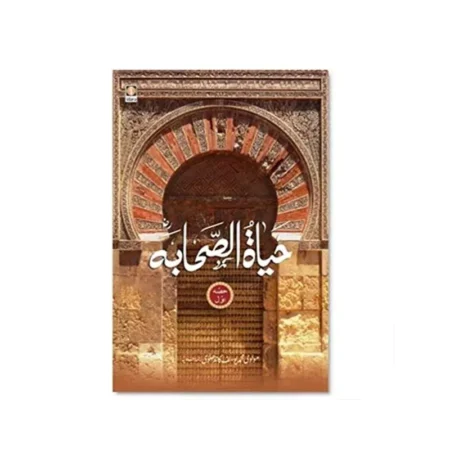
- Hayatus Sahaba Part -1 Hazrat Maulana Muhammad Yusuf Kandhalvi Idara (Urdu)
Overarching Themes Across All Three Volumes
- Faith and Conviction
The Sahaba were ordinary people transformed into extraordinary personalities because of their unshakable belief in Allah and the Prophet ﷺ. - Sacrifice and Struggle
They gave up wealth, family ties, and even their lives for Islam. Their sacrifices laid the foundation of the global Muslim Ummah. - Worship and Spirituality
Their strength came from constant connection with Allah through salah, Qur’an, and dhikr. - Simplicity and Humility
Despite wealth or authority, they lived simply and avoided arrogance. - Dawah and Responsibility
They understood Islam as a global message and considered it their duty to spread it everywhere. - Justice and Character
Their honesty, compassion, and fairness won people’s hearts more than any sword or wealth.
- Faith and Conviction
3 in stock

- Hardcover
- Publisher: Idara Impex (2013)
- Language: Hindi
1 in stock

- Paperback
- Publisher: idara impex (2012)
8 in stock
Reviews
There are no reviews yet.