

The Book Of Islamic Dynasties Luqman Nagy (Ta-Ha Publishers Ltd) English


Original price was: ₹1,550.00.₹1,250.00Current price is: ₹1,250.00.
- The Book Of Islamic Dynasties Luqman Nagy (Ta-Ha Publishers Ltd) English
- Conclusion:
The Book of Islamic Dynasties offers a panoramic view of Islamic political history, blending factual narration with analytical insights. Luqman Nagy’s work is valuable for understanding:
- The development of governance structures in early and medieval Islamic states.
- The connection between political authority, morality, and societal welfare.
- The intellectual and cultural achievements facilitated by dynastic patronage.
- Patterns of rise and decline, offering lessons for leadership and statecraft.
Out of stock
The Book Of Islamic Dynasties Luqman Nagy (Ta-Ha Publishers Ltd) English
Overview of the Book:
The Book of Islamic Dynasties by Luqman Nagy provides a comprehensive historical survey of the major ruling families and political structures in the Islamic world from the early Caliphate period to later Islamic states. The book focuses on political, social, and administrative developments, analyzing the rise and fall of dynasties, their governance systems, military strategies, and contributions to Islamic civilization. It also emphasizes the connection between leadership, morality, and the stability of states, highlighting lessons drawn from historical experience.
The work is structured chronologically and thematically, covering the Rashidun, Umayyad, Abbasid, Fatimid, and other regional dynasties, while interweaving historical events with insights into culture, religion, and administration.
Early Islamic Dynasties: Rashidun Caliphate
The book begins with the Rashidun Caliphate, the period immediately following Prophet Muhammad’s (PBUH) death. Luqman Nagy highlights the four rightly guided caliphs—Abu Bakr, Umar ibn al-Khattab, Uthman ibn Affan, and Ali ibn Abi Talib—and their role in consolidating the nascent Muslim state.
Abu Bakr (RA): The author explains his decisive leadership during the Ridda wars (wars against apostasy) and the efforts to unify Arabian tribes under Islam. Abu Bakr’s strict yet fair approach is highlighted as key to preserving the unity and credibility of the early Muslim community.
Umar ibn al-Khattab (RA): Umar’s reign is portrayed as a period of rapid territorial expansion, administrative innovation, and institutional consolidation. Luqman Nagy details his establishment of a formal judiciary, public treasury, and structured governance, reflecting the importance of law, justice, and accountability.
Uthman ibn Affan (RA): The compilation of the Quran under Uthman is described as a crucial achievement for preserving the religious and legal foundation of Islam. The author also discusses challenges of nepotism and dissent, which eventually led to political unrest.
Ali ibn Abi Talib (RA): Ali’s caliphate is examined in the context of internal conflict, including the Battle of Jamal and Battle of Siffin. The author emphasizes lessons about governance, moral leadership, and the consequences of political fragmentation.
Umayyad Dynasty (661–750 CE):
Luqman Nagy analyzes the Umayyad dynasty’s rise following Ali’s caliphate. The Umayyads established their capital in Damascus and are credited with unifying vast territories stretching from Spain to Central Asia.
Administrative Innovations: The book describes the creation of a centralized bureaucracy, taxation system, and provincial governance. The Umayyads’ strategies for controlling diverse populations and maintaining communication across large territories are highlighted.
Cultural Contributions: Despite political controversies, the Umayyads promoted architecture, urban development, and cultural integration. The author notes the role of the Umayyads in consolidating Arabic as the administrative and literary language of the Islamic state.
Challenges: The book discusses revolts and resistance from various groups, including the Abbasid supporters, reflecting the tension between dynastic ambitions and religious legitimacy.
Abbasid Dynasty (750–1258 CE):
The Abbasid period is portrayed as a golden era of Islamic civilization, marked by intellectual, cultural, and scientific achievements alongside political expansion.
Baghdad as the Capital: The founding of Baghdad as the new capital symbolizes the Abbasids’ administrative sophistication and vision for a cosmopolitan Islamic center.
Intellectual Flourishing: Luqman Nagy emphasizes contributions in philosophy, mathematics, medicine, astronomy, and literature. The translation movement, patronage of scholars, and establishment of institutions like Bayt al-Hikma (House of Wisdom) are highlighted as a defining feature of Abbasid rule.
Political Challenges: The book does not shy away from discussing internal revolts, court intrigues, and regional autonomy that weakened central authority over time. The author reflects on how internal instability, coupled with external invasions, eventually contributed to the decline of Abbasid power.
Regional Dynasties and Successor States:
The author provides detailed accounts of regional Islamic dynasties that emerged across the Islamic world. These include:
Fatimids in North Africa and Egypt: Known for their Shia ideology, Fatimids contributed to art, architecture, and trade, while consolidating political authority in Egypt.
Seljuks and Turks in Persia and Anatolia: The book discusses the Seljuks’ military prowess, administrative reforms, and role in protecting Sunni orthodoxy. The author highlights their patronage of education and religious institutions.
Mamluks in Egypt and Syria: The Mamluks’ unique military-slave system, defense against Mongol invasions, and preservation of Islamic learning and culture are discussed in detail.
Other Dynasties: Brief accounts of smaller dynasties, including the Almoravids, Almohads, and later sultanates in India, illustrate the diversity and complexity of Islamic political structures.
Themes and Insights:
Leadership and Governance:
Luqman Nagy repeatedly emphasizes that the stability and prosperity of a dynasty depended on justice, consultation (Shura), and adherence to moral principles. Leaders who neglected these principles often faced internal dissent and decline.
Military Strategy and Expansion:
The book analyzes key battles, campaigns, and strategic decisions, linking military prowess with state consolidation and territorial expansion.
Cultural and Scientific Contributions:
Beyond politics, the author highlights contributions to civilization—architecture, literature, philosophy, and sciences—as evidence that Islamic dynasties were not merely rulers but patrons of knowledge and culture.
Religion and Legitimacy:
The legitimacy of dynasties often depended on their alignment with religious principles. The book demonstrates that conflicts between dynastic ambition and religious ideals frequently shaped the course of Islamic history.
Rise and Fall of Dynasties:
Luqman Nagy emphasizes recurring patterns: the establishment of justice, strong leadership, and unity leads to prosperity, while corruption, oppression, and internal strife precipitate decline.
Conclusion:
The Book of Islamic Dynasties offers a panoramic view of Islamic political history, blending factual narration with analytical insights. Luqman Nagy’s work is valuable for understanding:
The development of governance structures in early and medieval Islamic states.
The connection between political authority, morality, and societal welfare.
The intellectual and cultural achievements facilitated by dynastic patronage.
Patterns of rise and decline, offering lessons for leadership and statecraft.
By systematically detailing the succession of dynasties and their contributions, the book provides readers with both historical knowledge and ethical reflections. It highlights the intertwined nature of political power, religion, and civilization, making it an essential resource for scholars, students, and anyone seeking a deeper understanding of Islamic history.
| Weight | 350 g |
|---|---|
| Dimensions | 16 × 10 × 8 cm |
Only logged in customers who have purchased this product may leave a review.
Related Products
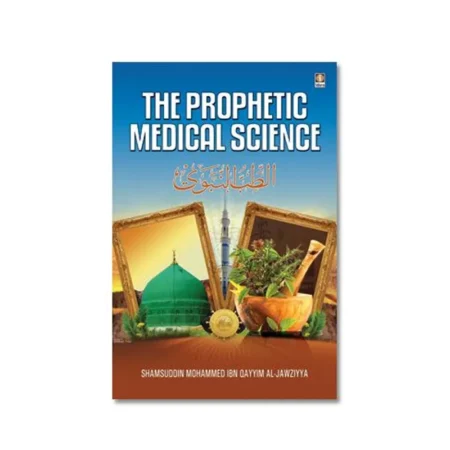
- The Prophetic Medical Science Shamsuddin Mohammed Ibn Qayyim Al-Jawziyya Idara (English)
- Purpose and Scope of the Book
- Preservation of Health in Islam: The book aims to highlight how Islam promotes personal hygiene, healthy living, and disease prevention.
- Spiritual and Ethical Integration: Prophetic medicine is not just physical; it incorporates mental and spiritual health.
- Practical Guidance: Offers remedies, preventive measures, and dietary recommendations that are relevant for contemporary readers.
- Educational Resource: Serves scholars, students, healthcare professionals, and anyone interested in the intersection of medicine and Islamic guidance.
- The book emphasizes that health is a divine trust and that human beings have a responsibility to care for their bodies and souls.
- 2. Concept of Health in Prophetic Medicine
- Holistic Approach: Health encompasses physical, mental, and spiritual well-being. A balanced lifestyle ensures harmony among body, mind, and soul.
- Preventive Care: Emphasizes diet, cleanliness, exercise, and moderation as primary means of disease prevention.
- Spiritual Health: Strong faith, prayer, gratitude, and ethical conduct are considered essential for overall well-being.
- Natural Remedies: The Prophet recommended natural substances like honey, black seed (Nigella sativa), dates, olive oil, and water for healing and maintenance of health.
1 in stock
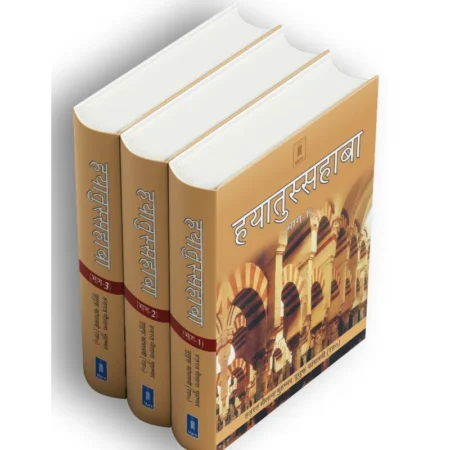
- Hayatus Sahaba Part 1,2&3 Hazrat Maulana Muhammad Yusuf Kandhalvi (Idara) Hindi
Overall Explanation and Themes
Taken together, the three parts of Hayatus Sahaba deliver timeless lessons:
- Faith and Conviction: The Sahaba’s faith was so strong that no torture, poverty, or danger could shake it.
- Love for the Prophet ﷺ: Their lives revolved around his guidance.
- Sacrifice and Simplicity: They abandoned worldly pleasures for the sake of Islam.
- Worship and Reliance on Allah: Their spiritual connection was the foundation of their strength.
- Global Responsibility: They considered spreading Islam a personal duty, not a communal option.
- Character and Justice: Their honesty and compassion won the hearts of nations.
3 in stock

18 in stock

- Conclusion
- Mukhtasar Tareekh Mashaikh-e-Awadh by Dr. Razi Ahmad Kamal is a concise yet comprehensive study of the spiritual, cultural, and social contributions of Sufi saints in Awadh.
- The book highlights the spiritual guidance, ethical influence, and societal reform brought about by the Mashaikh.
- Sufi saints acted as moral exemplars, educators, and cultural patrons, shaping Awadh’s identity and leaving a lasting legacy.
- The work demonstrates how Islamic spirituality, when integrated with social and cultural engagement, creates a balanced and harmonious society.
- Key Takeaways:
- Sufi saints of Awadh were central to both spiritual guidance and societal welfare.
- Their teachings emphasized ethics, devotion, and service to humanity.
- Different Sufi orders (Chishti, Qadiri, Suhrawardi, Naqshbandi) contributed unique perspectives and practices.
- Saints influenced governance, culture, education, and interfaith harmony.
- The legacy of Awadh’s Mashaikh continues to inspire spirituality, literature, and cultural identity in the region.
2 in stock

- The Personality Of Allah’S Last Messenger Abdul Waheed Khan Iiph (English)
1 in stock
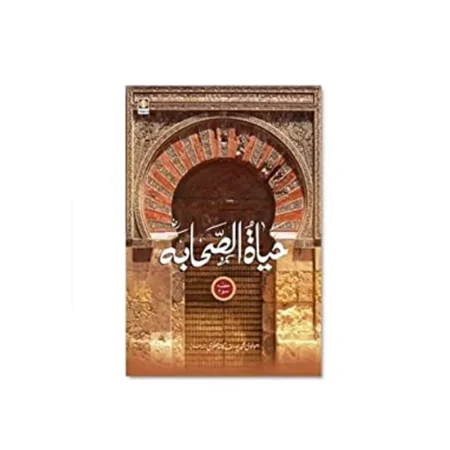
- Hayatus Sahaba Part -3 Hazrat Maulana Muhammad Yusuf Kandhalvi Idara (Urdu)
Conclusion
Hayatus Sahaba Part 3 by Hazrat Maulana Muhammad Yusuf Kandhalvi (RA) completes the journey of the Sahaba’s lives by showing how they carried Islam to the world.
- It records their dawah efforts, their bravery in jihad, their sacrifices, and their role as just and compassionate leaders.
This volume is not just a history of expansion; it is a blueprint for Muslim life and responsibility. It teaches that:
- Islam is not private—it is a universal mission.
- Sacrifice and struggle are necessary for spreading truth.
- Justice, honesty, and compassion are the foundation of Islamic influence.
- Ordinary people, with extraordinary faith, can change the course of history.
1 in stock
Key Themes and Analysis
1. Administrative Changes Under Mughal Rule
2. Socio-Cultural Transformations
3. Economic Developments
4. Decline of Mughal Influence and Rise of Maratha Power
5. British Colonial Encroachment
1 in stock
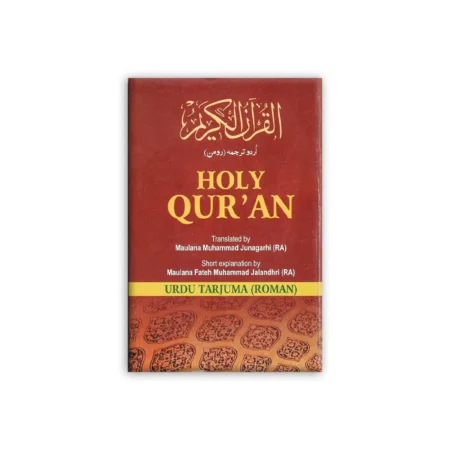
Advantages of This Edition
- All-in-One Resource: Arabic, Urdu, and Roman scripts in one volume.
- Ease of Learning: Stepwise guidance for beginners and non-Arabic speakers.
- Faithful Translation: Maintains accuracy and clarity in Urdu.
- High Readability: Clear calligraphy and paper quality enhance the reading experience.
- Portable and Durable: Designed for daily use and long-term preservation.
1 in stock
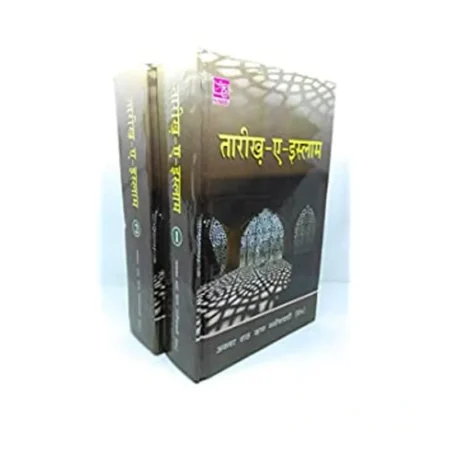
- Tarikh-E-Islam Akbar Shah Khan Najibabadi Al Hasanat (Hindi) 2 Volume Set
- Key Takeaways:
- Islam emerged in a challenging socio-political environment and transformed Arabian society through spiritual and ethical teachings.
- Prophet Muhammad’s (PBUH) leadership combined moral integrity, diplomacy, and strategic acumen.
- The Rashidun Caliphs laid the foundations of governance, justice, and expansion that shaped early Islamic history.
- Umayyad and Abbasid dynasties contributed to political consolidation and cultural flourishing.
- Islamic history provides timeless lessons in leadership, justice, morality, and social responsibility.
- Historical reflection is essential for understanding both the successes and pitfalls of past Muslim societies.
2 in stock
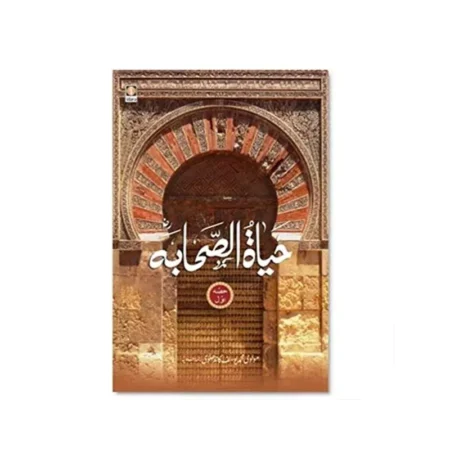
- Hayatus Sahaba Part -1 Hazrat Maulana Muhammad Yusuf Kandhalvi Idara (Urdu)
Overarching Themes Across All Three Volumes
- Faith and Conviction
The Sahaba were ordinary people transformed into extraordinary personalities because of their unshakable belief in Allah and the Prophet ﷺ. - Sacrifice and Struggle
They gave up wealth, family ties, and even their lives for Islam. Their sacrifices laid the foundation of the global Muslim Ummah. - Worship and Spirituality
Their strength came from constant connection with Allah through salah, Qur’an, and dhikr. - Simplicity and Humility
Despite wealth or authority, they lived simply and avoided arrogance. - Dawah and Responsibility
They understood Islam as a global message and considered it their duty to spread it everywhere. - Justice and Character
Their honesty, compassion, and fairness won people’s hearts more than any sword or wealth.
- Faith and Conviction
3 in stock

- Islami Tareekh Muhammad Abdul Hayi Al Hasanat (Urdu)
- Conclusion
- Islami Tareekh by Muhammad Abdul Hayi provides a comprehensive overview of Islamic history in a manner that is both educational and spiritually instructive. Key contributions of the book include:
- Chronological Clarity: Covers the life of Prophet Muhammad ﷺ, the Rashidun Caliphs, major dynasties, and regional expansions.
- Integration of Faith and History: Events are analyzed not only historically but also for moral and spiritual lessons.
- Cultural and Intellectual Perspective: Highlights achievements in science, philosophy, literature, and governance.
- Guidance for Modern Muslims: Encourages understanding of historical models of leadership, justice, and piety.
- The book is particularly valuable for Urdu-speaking readers seeking a thorough understanding of Islamic history, from its inception to the challenges faced by Muslim societies in later centuries.
- Key Takeaways:
- Islam emphasizes faith, justice, knowledge, and social welfare.
- Leadership must combine morality, courage, and service to the people.
- Intellectual and cultural achievements are integral to the strength of Muslim civilization.
- History offers lessons in resilience, ethics, and spiritual development.
1 in stock
2 in stock
Reviews
There are no reviews yet.