

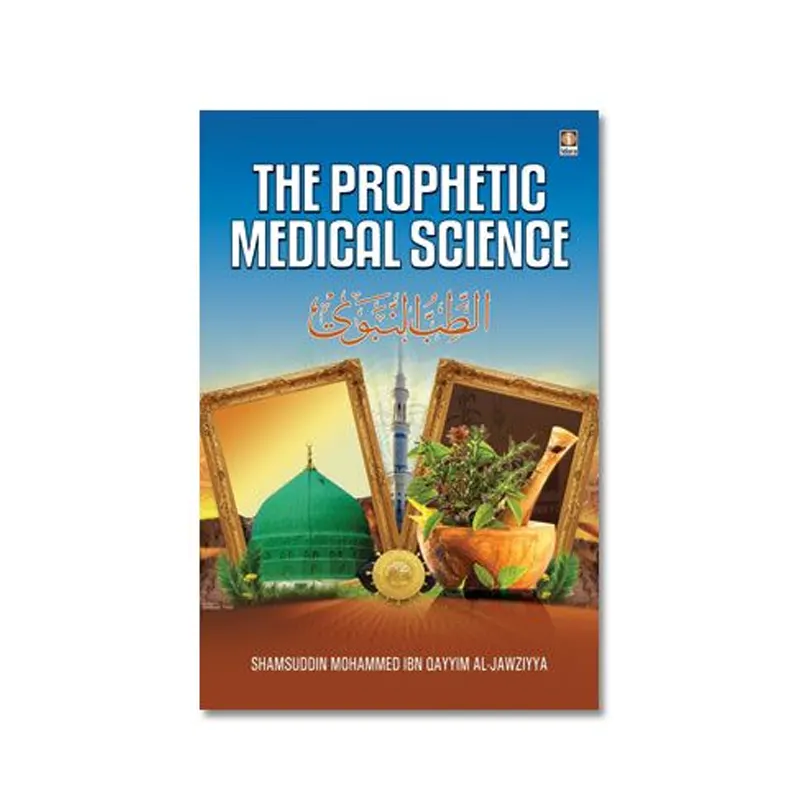
The Prophetic Medicine (Ibn Qayyim Al-Jawaziyya) Idara English
Original price was: ₹275.00.₹270.00Current price is: ₹270.00.
- Purpose and Scope of the Book
- Health Preservation in Islam: The book aims to provide guidance on maintaining physical and mental health in accordance with Islamic teachings.
- Integration of Faith and Medicine: Emphasizes that healing is both a spiritual and practical pursuit, combining trust in God (tawakkul) with natural remedies.
- Preventive and Curative Focus: Covers methods for disease prevention, treatment, and overall wellness.
- Educational Value: Serves scholars, students, and general readers interested in Prophetic guidance on medicine, hygiene, and lifestyle.
- The work presents Tibb al-Nabawi (Prophetic medicine) as a comprehensive system that transcends time and remains relevant for modern healthcare practices.
- 2. Concept of Health in Prophetic Medicine
- Holistic Well-Being: Health encompasses physical fitness, mental stability, and spiritual balance.
- Divine Trust: Human beings are responsible for preserving their bodies and nurturing their minds and souls.
- Preventive Approach: Emphasis on moderation in diet, exercise, and lifestyle to prevent diseases.
- Natural Remedies: Use of herbs, foods, and simple treatments prescribed by the Prophet, integrated with spiritual practices
Out of stock
The Prophetic Medicine (Ibn Qayyim Al-Jawaziyya) Idara English
The Prophetic Medicine by Ibn Qayyim Al-Jawziyya is an authoritative treatise on health, healing, and well-being as taught and practiced by Prophet Muhammad (peace be upon him). The book presents an integrative approach, combining physical remedies, preventive care, mental health, and spiritual practices. Ibn Qayyim emphasizes that health is a divine trust (amanah) and that maintaining it requires attention to body, mind, and soul. The work reflects a holistic understanding of medicine, where spiritual, ethical, and natural elements work together to preserve human well-being.
1. Purpose and Scope of the Book
Health Preservation in Islam: The book aims to provide guidance on maintaining physical and mental health in accordance with Islamic teachings.
Integration of Faith and Medicine: Emphasizes that healing is both a spiritual and practical pursuit, combining trust in God (tawakkul) with natural remedies.
Preventive and Curative Focus: Covers methods for disease prevention, treatment, and overall wellness.
Educational Value: Serves scholars, students, and general readers interested in Prophetic guidance on medicine, hygiene, and lifestyle.
The work presents Tibb al-Nabawi (Prophetic medicine) as a comprehensive system that transcends time and remains relevant for modern healthcare practices.
2. Concept of Health in Prophetic Medicine
Holistic Well-Being: Health encompasses physical fitness, mental stability, and spiritual balance.
Divine Trust: Human beings are responsible for preserving their bodies and nurturing their minds and souls.
Preventive Approach: Emphasis on moderation in diet, exercise, and lifestyle to prevent diseases.
Natural Remedies: Use of herbs, foods, and simple treatments prescribed by the Prophet, integrated with spiritual practices.
Ibn Qayyim stresses that holistic health is a harmonious balance between physical care, moral conduct, and spiritual awareness.
3. Hygiene and Cleanliness
Personal Hygiene: Regular bathing, washing hands, trimming nails, and cleaning teeth (miswak) are emphasized.
Spiritual Purification: Ritual ablution (wudu) not only fulfills religious obligations but also promotes cleanliness and reduces infections.
Community Hygiene: Maintaining clean homes, streets, and public spaces is encouraged to prevent the spread of disease.
Moral and Physical Link: Cleanliness is presented as both a spiritual virtue and a medical necessity.
Hygiene is central to health and reflects the integration of religious observance and medical prudence.
4. Diet and Nutrition
Balanced Eating: The Prophet recommended moderation, avoiding overindulgence, and choosing wholesome foods.
Recommended Foods: Dates, honey, black seed (Nigella sativa), olive oil, figs, barley, and pomegranate are highlighted for their health benefits.
Avoidance of Harmful Practices: Overeating, impure foods, and neglect of nutrition are discouraged.
Digestive Health: Emphasis on chewing food properly, eating slowly, and leaving a portion of the stomach empty for optimal digestion.
Diet is considered a cornerstone of preventive medicine in Prophetic guidance.
5. Natural Remedies
Honey: Used for wound healing, digestive health, and boosting immunity.
Black Seed: Described as a remedy for every illness except death; promotes overall vitality.
Cupping (Hijama): Applied for detoxification, blood circulation, and treatment of certain ailments.
Olive Oil, Vinegar, and Herbs: Recommended for internal and external health benefits.
Dates and Milk: Provide nutrition, strengthen the body, and promote energy.
The use of these natural remedies is combined with spiritual practices to achieve comprehensive healing.
6. Mental and Emotional Health
Spiritual Practices: Prayer, remembrance of God (dhikr), and supplication (du’a) support mental calmness and resilience.
Positive Attitudes: Gratitude, patience, contentment, and forgiveness improve emotional well-being.
Stress Management: Trust in God (tawakkul) and reliance on divine guidance alleviate anxiety and fear.
Ibn Qayyim emphasizes that mental and emotional balance is essential for overall health, reflecting the integration of spirituality and psychology.
7. Disease Prevention and Treatment
Preventive Measures: Hygiene, moderation, exercise, and proper nutrition are primary means to prevent illness.
Early Intervention: Prompt attention to minor health issues prevents serious complications.
Combination Therapy: Natural remedies, proper diet, exercise, and spiritual practices work together for healing.
Faith and Healing: Healing is ultimately facilitated by God, and supplication is an integral part of medical treatment.
The approach is holistic, focusing on prevention, natural treatment, and spiritual reinforcement.
8. Exercise and Physical Activity
Moderate Exercise: Walking, riding, swimming, and physical labor are recommended to maintain bodily strength.
Balance and Moderation: Sleep, work, and exercise must be balanced to ensure health.
Functional Fitness: Exercise is essential for bodily functions, vitality, and disease prevention.
Physical activity is seen as a natural requirement for maintaining health and supporting longevity.
9. Ethical and Spiritual Dimensions
Body as a Trust: Humans are accountable for their health, which is a divine gift.
Moderation: Overindulgence, laziness, and neglect are discouraged as harmful to health and morality.
Integration with Ethics: Healthy living requires ethical conduct, spiritual mindfulness, and responsible behavior.
Ibn Qayyim underscores that ethical and spiritual conduct enhances physical and mental well-being.
10. Conclusion
The Prophetic Medicine by Ibn Qayyim Al-Jawziyya:
Presents a holistic system integrating physical, mental, and spiritual health.
Emphasizes hygiene, diet, exercise, natural remedies, and preventive care.
Advocates for ethical and spiritual practices as essential components of well-being.
Combines practical medical advice with faith-based guidance for a comprehensive lifestyle.
Demonstrates that Prophetic medicine is timeless, offering insights for modern healthcare, preventive strategies, and personal wellness.
Encourages a balanced, disciplined life that nurtures body, mind, and soul, reflecting the synergy between Islamic teachings and health sciences.
Ibn Qayyim’s work shows that health in Islam is more than the absence of disease; it is the cultivation of balance, ethical conduct, and spiritual vitality. By combining natural remedies, preventive practices, and faith-based guidance, The Prophetic Medicine offers a complete blueprint for a healthy and fulfilling life.
| Weight | 300 g |
|---|---|
| Dimensions | 16 × 10 × 8 cm |
Only logged in customers who have purchased this product may leave a review.
Related Products
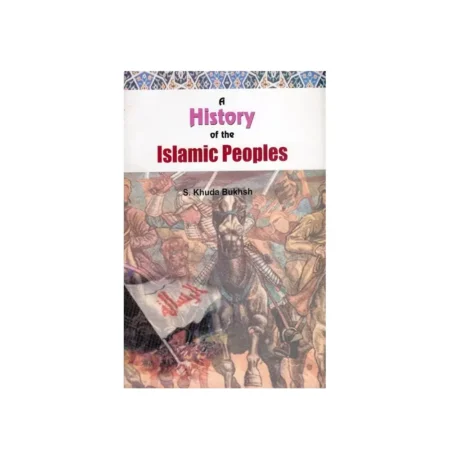
- A History Of The Islamic Peoples S Khuda Bukhsh (Adam Publishers) English
- The Scope of the Book
- The book covers the following broad areas:
- The Rise of Islam and the Prophet Muhammad (PBUH):
- The book begins with the Arabian background – a description of pre-Islamic Arabia, its tribal structure, culture, social conditions, and religious practices.
- It then moves to the life of Prophet Muhammad (peace be upon him), his mission, the revelation of the Qur’an, the struggles in Makkah, migration to Madinah, and the establishment of the first Islamic state.
- The author emphasizes how Islam brought moral, social, and spiritual reforms to a region deeply divided by tribalism and superstition.
- The Rashidun Caliphate (632–661 CE):
- Khuda Bukhsh describes the leadership of the four rightly guided caliphs (Abu Bakr, Umar, Uthman, Ali).
- He highlights the rapid expansion of Islam beyond Arabia into Syria, Iraq, Egypt, and Persia.
- Important administrative and legal reforms introduced by Caliph Umar are explained.
- The internal conflicts, especially during the caliphate of Uthman and Ali, are presented in a balanced way.
- The Umayyad Caliphate (661–750 CE):
- The book outlines the transformation of the caliphate into a hereditary monarchy under Muawiyah.
- It explains the expansion into North Africa, Spain (Andalusia), and Central Asia.
- Khuda Bukhsh also discusses the administrative centralization and cultural flowering of Damascus, the Umayyad capital.
2 in stock

- Product Code ID 6693
- Condition New
- Binding Hard Bound
- Genre Fiqh
- publisher idara impex
- Publication Date 2017
- Language Hind
3 in stock

- Bahishti Zewar : Heavenly Ornaments (ENGLISH) Ashraf Ali Thanvi’s best selling book of advice specially for the Muslim Woman.
2 in stock

- Biography Of Hadrat Moulana Muhammad Yusuf Sahib(R.A) Amire Tabligh Maulana Mufti Azizur-Rehman Bijnori Idara (English)
- 1. Early Life and Background
- Hadrat Moulana Muhammad Yusuf Sahib (R.A) was born in the late 19th or early 20th century in India, into a family committed to Islamic learning and piety. Maulana Mufti Azizur-Rehman Bijnori highlights that his upbringing in a spiritually rich environment laid the foundation for his lifelong dedication to Islamic scholarship and da‘wah (missionary work).
- From an early age, he displayed qualities of sincerity, devotion, discipline, and humility. His family emphasized both religious education and moral training, cultivating in him a love for Qur’an, Hadith, and the practices of the Prophet Muhammad (S.A.W.).
- 2. Education and Religious Formation
- The biography emphasizes Moulana Muhammad Yusuf Sahib’s thorough grounding in Islamic sciences. He studied:
- Tafsir (Qur’anic exegesis)
- Hadith (Prophetic traditions)
- Fiqh (Islamic jurisprudence)
- Aqidah (Islamic creed)
- His teachers recognized his intelligence, piety, and commitment to learning, which allowed him to excel in both religious knowledge and practical application. This strong scholarly foundation later helped him lead, guide, and inspire followers in Tablighi activities across India and beyond.
- 3. Early Involvement in Tabligh Work
- The book narrates Moulana Yusuf Sahib’s early participation in Tablighi activities under the guidance of senior scholars and leaders of the movement. He actively engaged in:
- Missionary journeys (khuruj): Traveling to various towns and villages to invite Muslims to observe Islamic practices.
- Spiritual training of disciples: Teaching sincerity, humility, and moral reform.
- Organization and administration: Assisting in the structured planning of Tablighi missions.
3 in stock
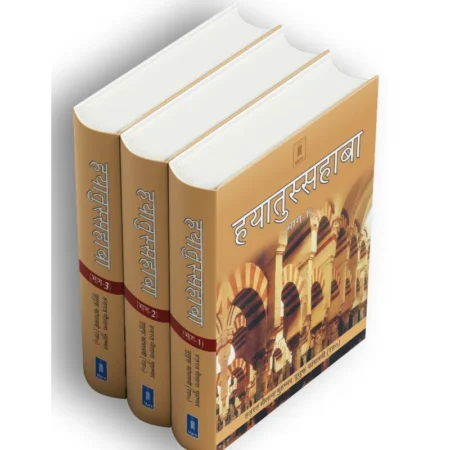
- Hayatus Sahaba Part 1,2&3 Hazrat Maulana Muhammad Yusuf Kandhalvi (Idara) Hindi
Overall Explanation and Themes
Taken together, the three parts of Hayatus Sahaba deliver timeless lessons:
- Faith and Conviction: The Sahaba’s faith was so strong that no torture, poverty, or danger could shake it.
- Love for the Prophet ﷺ: Their lives revolved around his guidance.
- Sacrifice and Simplicity: They abandoned worldly pleasures for the sake of Islam.
- Worship and Reliance on Allah: Their spiritual connection was the foundation of their strength.
- Global Responsibility: They considered spreading Islam a personal duty, not a communal option.
- Character and Justice: Their honesty and compassion won the hearts of nations.
3 in stock

- Faza’Il-E-Ramazan (Virtues Of Ramadhan) Maulvi Muhammad Zakariyya Kandhlawi Idara (English)
4 in stock

- Cultural Side Of Islam Muhammad Marmaduke Pickthall Idara (English)
2 in stock
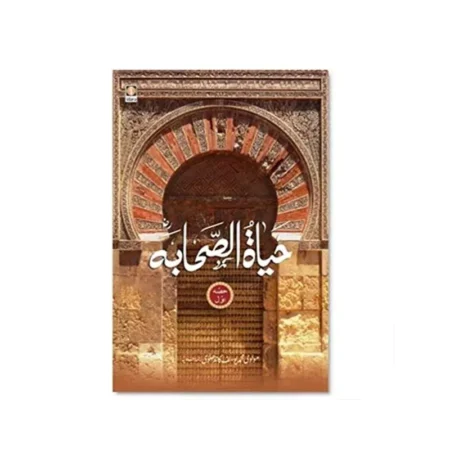
- Hayatus Sahaba Part -1 Hazrat Maulana Muhammad Yusuf Kandhalvi Idara (Urdu)
Overarching Themes Across All Three Volumes
- Faith and Conviction
The Sahaba were ordinary people transformed into extraordinary personalities because of their unshakable belief in Allah and the Prophet ﷺ. - Sacrifice and Struggle
They gave up wealth, family ties, and even their lives for Islam. Their sacrifices laid the foundation of the global Muslim Ummah. - Worship and Spirituality
Their strength came from constant connection with Allah through salah, Qur’an, and dhikr. - Simplicity and Humility
Despite wealth or authority, they lived simply and avoided arrogance. - Dawah and Responsibility
They understood Islam as a global message and considered it their duty to spread it everywhere. - Justice and Character
Their honesty, compassion, and fairness won people’s hearts more than any sword or wealth.
- Faith and Conviction
3 in stock

- By Maulavi Muhammad Zakariyya
Hardback 1038 Pages
5 in stock

- Asharah Mubash-Sharah Muhammad Iqbal Siddiqi Idara (English)
- Key Themes and Lessons
- 1. Faith and God-Consciousness (Taqwa)
- Belief in Allah is the foundation of all moral action.
- Taqwa entails awareness of Allah in thought, speech, and action, guiding believers toward ethical and responsible living.
- The book emphasizes that spiritual mindfulness leads to moral clarity, self-discipline, and inner peace.
- 2. Honesty and Truthfulness (Sidq)
- Truthfulness is central to Islamic ethics.
- The author highlights the importance of being honest in speech, business, and personal dealings.
- Deception and falsehood undermine trust, social cohesion, and spiritual integrity.
- 3. Patience and Perseverance (Sabr)
- Life is full of trials; patience is a key virtue.
- The book explains that endurance through hardship, maintaining moral standards, and resisting temptation are forms of spiritual strength.
- Patience is closely linked to reward in the Hereafter.
1 in stock

- This book Fazail-E-Tijaarat is originally written in Urdu by Maulana Muhammad Zakariyya (Rah) rendered into English by Maulana Yusuf Karaan.
3 in stock

- Islami Tareekh Muhammad Abdul Hayi Al Hasanat (Urdu)
- Conclusion
- Islami Tareekh by Muhammad Abdul Hayi provides a comprehensive overview of Islamic history in a manner that is both educational and spiritually instructive. Key contributions of the book include:
- Chronological Clarity: Covers the life of Prophet Muhammad ﷺ, the Rashidun Caliphs, major dynasties, and regional expansions.
- Integration of Faith and History: Events are analyzed not only historically but also for moral and spiritual lessons.
- Cultural and Intellectual Perspective: Highlights achievements in science, philosophy, literature, and governance.
- Guidance for Modern Muslims: Encourages understanding of historical models of leadership, justice, and piety.
- The book is particularly valuable for Urdu-speaking readers seeking a thorough understanding of Islamic history, from its inception to the challenges faced by Muslim societies in later centuries.
- Key Takeaways:
- Islam emphasizes faith, justice, knowledge, and social welfare.
- Leadership must combine morality, courage, and service to the people.
- Intellectual and cultural achievements are integral to the strength of Muslim civilization.
- History offers lessons in resilience, ethics, and spiritual development.
1 in stock
Reviews
There are no reviews yet.