
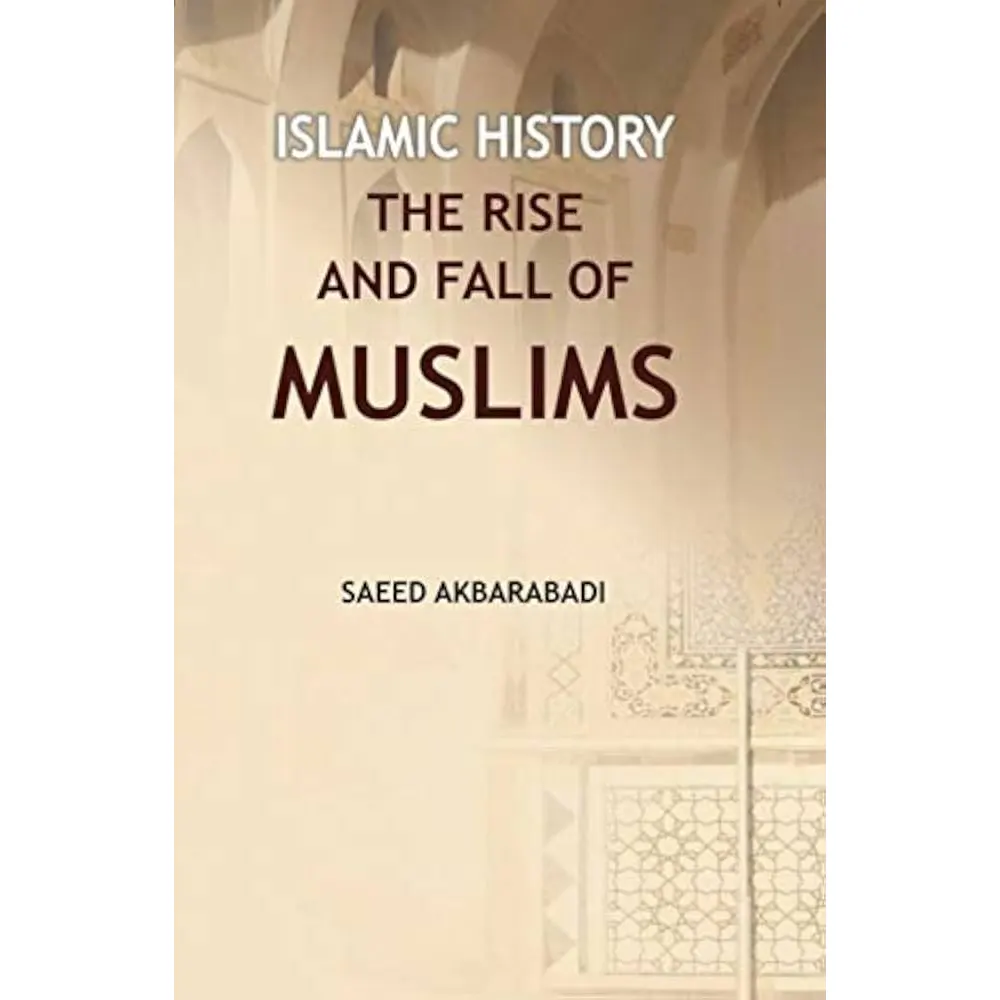
Islamic History The Rise And Fall Of Muslims Saeed Akbarabadi (Adam) English

Original price was: ₹220.00.₹175.00Current price is: ₹175.00.
- Islamic History The Rise And Fall Of Muslims Saeed Akbarabadi (Adam) English
- Conclusion
- Islamic History: The Rise and Fall of Muslims provides a comprehensive narrative of Muslim civilization, detailing periods of triumph, intellectual brilliance, and eventual decline.
- The rise of Muslims is attributed to strong leadership, moral integrity, social justice, and intellectual advancement.
- The fall resulted from internal divisions, corruption, loss of ethical governance, and external invasions.
- Akbarabadi emphasizes that history is a guide, not merely a record of events, offering lessons for contemporary Muslim societies.
- Key Takeaways:
- Ethical leadership, unity, and knowledge are the pillars of a strong civilization.
- Cultural, scientific, and intellectual contributions are essential for lasting impact.
- Understanding the causes of decline helps prevent repetition of historical mistakes.
- Islam integrates faith, ethics, and worldly governance, which are necessary for societal prosperity.
Out of stock
Islamic History The Rise And Fall Of Muslims Saeed Akbarabadi (Adam) English
Introduction
Islamic History: The Rise and Fall of Muslims by Saeed Akbarabadi is a comprehensive account of Islamic civilization, examining its political, social, economic, and intellectual evolution. The book explores both the periods of Islamic ascendancy and decline, aiming to provide readers with a critical understanding of how Muslim societies flourished and later faced challenges.
Akbarabadi emphasizes that understanding history is not merely about memorizing dates and events; it is about analyzing causes, effects, and lessons for contemporary society. The book spans from the era of Prophet Muhammad ﷺ to the decline of the Mughal Empire and the rise of colonial powers.
1. The Rise of Islam
The first section of the book details the origins of Islam and the early expansion of Muslim communities.
1.1 The Life of Prophet Muhammad ﷺ
Born in Makkah in 570 CE, the Prophet ﷺ faced adversity in his early life, losing his parents and being raised under the care of his grandfather and uncle.
At age 40, he received revelation, marking the beginning of Islam. His mission emphasized monotheism, justice, and moral reform.
Early Muslims endured persecution, which instilled resilience and unity within the community.
The Hijrah to Madinah was pivotal, establishing the first Islamic state based on justice, consultation (Shura), and social welfare.
Lesson: The early phase of Islam demonstrates the importance of perseverance, moral integrity, and community solidarity.
1.2 The Rashidun Caliphate
Abu Bakr Siddiq (RA): Preserved the unity of Muslims during the Ridda wars and compiled the Qur’an.
Umar ibn al-Khattab (RA): Expanded the empire, reformed administration, and emphasized justice and public welfare.
Uthman ibn Affan (RA): Standardized the Qur’an and promoted infrastructure development.
Ali ibn Abi Talib (RA): Known for knowledge, justice, and bravery; faced internal conflicts like the Battles of Camel and Siffin.
The book highlights how the combination of strong leadership, ethical governance, and faith led to the rapid rise of the Islamic empire.
2. Umayyad and Abbasid Dynasties
2.1 Umayyad Dynasty (661–750 CE)
The Umayyads established Damascus as the capital, expanding Islamic rule to North Africa, Spain, and Central Asia.
Arabic was institutionalized as the administrative language.
Despite centralized power, the dynasty faced challenges in governance and occasional uprisings.
2.2 Abbasid Dynasty (750–1258 CE)
Marked as the Golden Age of Islam, with Baghdad as the cultural and intellectual hub.
Scholars like Al-Farabi, Ibn Sina, and Al-Ghazali contributed to philosophy, medicine, and theology.
Trade, science, literature, and arts flourished, connecting the Islamic world with Europe, Africa, and Asia.
Lesson: The Umayyad and Abbasid eras illustrate how political stability, intellectual advancement, and cultural synthesis contribute to civilizational greatness.
3. Causes of Decline
Saeed Akbarabadi analyzes the decline of Muslim powers, focusing on both internal and external factors.
3.1 Internal Factors
Political Fragmentation: Successive rulers often faced internal disputes, weakening central authority.
Corruption and Inefficiency: Mismanagement and favoritism led to instability in administration.
Decline of Ethical Leadership: The detachment of rulers from moral and religious principles eroded public trust.
3.2 External Factors
Invasions and Conflicts: Mongol invasions, Crusades, and regional power struggles destabilized Muslim territories.
Colonial Expansion: European colonial powers exploited internal divisions, gradually taking control of Muslim lands.
Lesson: Civilizations decline when ethical governance, unity, and adaptability weaken, making them vulnerable to external pressures.
4. Regional Histories
Akbarabadi emphasizes the varied experiences of Muslim societies across regions:
India: The Delhi Sultanate and Mughal Empire represented political strength and cultural synthesis. Mughal rulers like Akbar promoted administrative efficiency, cultural integration, and religious tolerance.
Middle East: After Abbasid fragmentation, regional powers emerged, including the Fatimids, Ayyubids, and Mamluks.
Africa: Muslim empires such as Mali and Songhai flourished through trade, scholarship, and governance.
Lesson: Islam’s spread was not uniform; success depended on leadership, economic stability, and cultural adaptability.
5. Contributions of Muslim Civilization
The book highlights Muslim contributions to world civilization:
5.1 Intellectual Achievements
Philosophy, logic, and theology flourished with thinkers like Al-Farabi, Al-Ghazali, and Ibn Rushd.
Innovations in mathematics, astronomy, and medicine influenced Europe and beyond.
5.2 Cultural and Artistic Achievements
Architecture, calligraphy, and literature reflected both Islamic principles and local traditions.
Universities, libraries, and hospitals demonstrated an emphasis on knowledge and public welfare.
5.3 Political and Social Structures
Concepts of justice, welfare, and consultative governance were emphasized.
The Islamic economic system, including zakat and ethical trade, promoted social equity.
Lesson: The strength of a civilization lies in knowledge, culture, ethics, and social responsibility.
6. Lessons for Contemporary Muslims
Saeed Akbarabadi concludes by emphasizing the lessons that modern Muslims can learn from history:
Leadership: Ethical, just, and knowledgeable leaders are crucial for societal prosperity.
Unity: Division weakens societies, making them vulnerable to internal and external threats.
Education and Knowledge: Intellectual advancement sustains civilizations.
Moral and Spiritual Integrity: Ethical values, rooted in faith, are essential for long-term stability.
Adaptability: Successful civilizations adapt to changing circumstances while preserving core values.
7. Methodology of the Book
Akbarabadi uses a chronological approach, blending political, cultural, and intellectual history.
The analysis integrates historical facts with ethical and spiritual reflections.
The work references classical Islamic sources, biographies of rulers, and contemporary historical studies to present a nuanced understanding.
Conclusion
Islamic History: The Rise and Fall of Muslims provides a comprehensive narrative of Muslim civilization, detailing periods of triumph, intellectual brilliance, and eventual decline.
The rise of Muslims is attributed to strong leadership, moral integrity, social justice, and intellectual advancement.
The fall resulted from internal divisions, corruption, loss of ethical governance, and external invasions.
Akbarabadi emphasizes that history is a guide, not merely a record of events, offering lessons for contemporary Muslim societies.
Key Takeaways:
Ethical leadership, unity, and knowledge are the pillars of a strong civilization.
Cultural, scientific, and intellectual contributions are essential for lasting impact.
Understanding the causes of decline helps prevent repetition of historical mistakes.
Islam integrates faith, ethics, and worldly governance, which are necessary for societal prosperity.
This book serves as both a historical record and a moral guide, encouraging readers to reflect on the lessons of Islamic history for the modern world.
| Weight | 320 g |
|---|---|
| Dimensions | 22.5 × 14.5 × 1.84 cm |
Only logged in customers who have purchased this product may leave a review.
Related Products

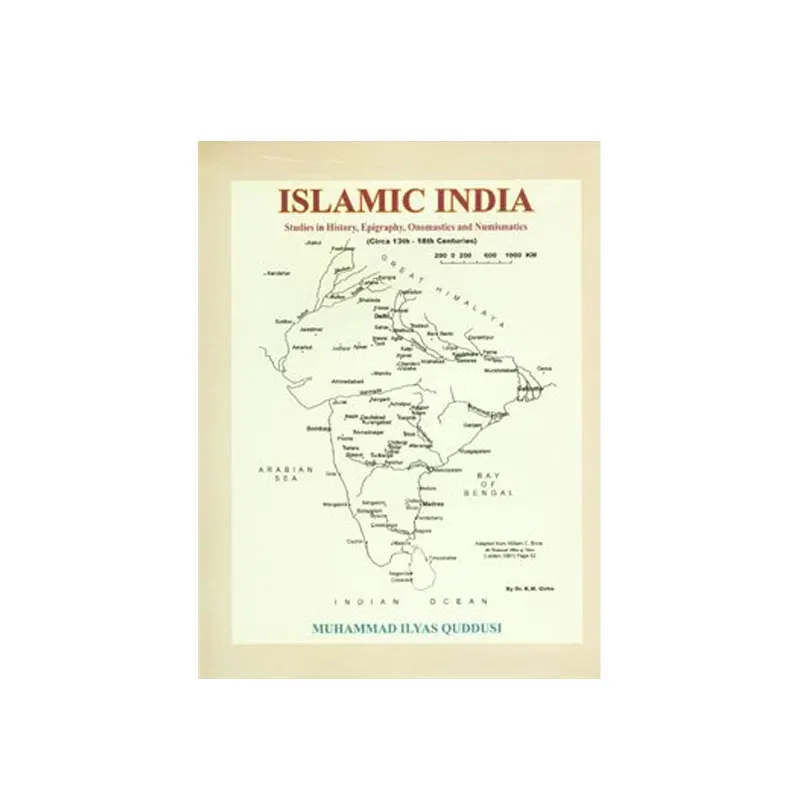
Key Themes and Analysis
1. Administrative Changes Under Mughal Rule
2. Socio-Cultural Transformations
3. Economic Developments
4. Decline of Mughal Influence and Rise of Maratha Power
5. British Colonial Encroachment
1 in stock

- Prophetic Way Of Treatment Badar Azimabadi (Adam) English
1 in stock
- Hayatus Sahaba Part -3 Hazrat Maulana Muhammad Yusuf Kandhalvi Idara (Urdu)
Conclusion
Hayatus Sahaba Part 3 by Hazrat Maulana Muhammad Yusuf Kandhalvi (RA) completes the journey of the Sahaba’s lives by showing how they carried Islam to the world.
- It records their dawah efforts, their bravery in jihad, their sacrifices, and their role as just and compassionate leaders.
This volume is not just a history of expansion; it is a blueprint for Muslim life and responsibility. It teaches that:
- Islam is not private—it is a universal mission.
- Sacrifice and struggle are necessary for spreading truth.
- Justice, honesty, and compassion are the foundation of Islamic influence.
- Ordinary people, with extraordinary faith, can change the course of history.
1 in stock
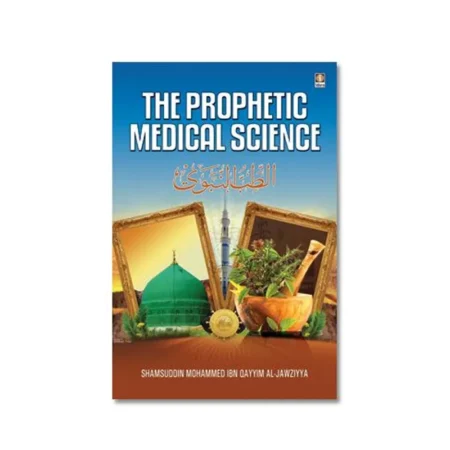
- The Prophetic Medical Science Shamsuddin Mohammed Ibn Qayyim Al-Jawziyya Idara (English)
- Purpose and Scope of the Book
- Preservation of Health in Islam: The book aims to highlight how Islam promotes personal hygiene, healthy living, and disease prevention.
- Spiritual and Ethical Integration: Prophetic medicine is not just physical; it incorporates mental and spiritual health.
- Practical Guidance: Offers remedies, preventive measures, and dietary recommendations that are relevant for contemporary readers.
- Educational Resource: Serves scholars, students, healthcare professionals, and anyone interested in the intersection of medicine and Islamic guidance.
- The book emphasizes that health is a divine trust and that human beings have a responsibility to care for their bodies and souls.
- 2. Concept of Health in Prophetic Medicine
- Holistic Approach: Health encompasses physical, mental, and spiritual well-being. A balanced lifestyle ensures harmony among body, mind, and soul.
- Preventive Care: Emphasizes diet, cleanliness, exercise, and moderation as primary means of disease prevention.
- Spiritual Health: Strong faith, prayer, gratitude, and ethical conduct are considered essential for overall well-being.
- Natural Remedies: The Prophet recommended natural substances like honey, black seed (Nigella sativa), dates, olive oil, and water for healing and maintenance of health.
1 in stock
- Educational Philosophy Of The Holy Qur’An Dr Mahar Abdul Haq (Adam) English
1 in stock
- Hayatus Sahaba Part 1,2&3 Hazrat Maulana Muhammad Yusuf Kandhalvi (Idara) Hindi
Overall Explanation and Themes
Taken together, the three parts of Hayatus Sahaba deliver timeless lessons:
- Faith and Conviction: The Sahaba’s faith was so strong that no torture, poverty, or danger could shake it.
- Love for the Prophet ﷺ: Their lives revolved around his guidance.
- Sacrifice and Simplicity: They abandoned worldly pleasures for the sake of Islam.
- Worship and Reliance on Allah: Their spiritual connection was the foundation of their strength.
- Global Responsibility: They considered spreading Islam a personal duty, not a communal option.
- Character and Justice: Their honesty and compassion won the hearts of nations.
3 in stock
2 in stock

- A Comparative Study Of Christianity & Islam By Ulfat Azizus Samad (Adam Publishers) English
1 in stock

- Caliphate & Sultanate In Medieval Persia Dr. A. H. Siddiqi Adam Publishers (English)
1 in stock
- Educational Foundation Of Islam Dr. Badarul Islam Adam Publishers (English)
1 in stock
- Islam On Science And Technology Dr. A Rahman Adam Publishers (English)
1 in stock
- Islam & Feudalism The Economics Of Riba Interest And Profit Dr Ziaul Haque (Adam) English
2 in stock
Reviews
There are no reviews yet.