

History Of Muslim Philosophy M M Sharif (Adam Publishers) 2 Vol English

Original price was: ₹2,595.00.₹1,999.00Current price is: ₹1,999.00.
- History Of Muslim Philosophy M M Sharif (Adam Publishers) 2 Vol English
- Conclusion
- History of Muslim Philosophy by M. M. Sharif is a comprehensive and scholarly guide to the development of Islamic thought from its early rationalist foundations to later mystical and philosophical synthesis.
- Volume 1 explores the early philosophers who integrated Greek logic with Islamic revelation, establishing metaphysics, ethics, and political philosophy.
- Volume 2 covers later developments, including Avicenna’s metaphysics, Al-Ghazali’s critique, Averroes’ defense of reason, and Sufi philosophy emphasizing inner knowledge and spiritual experience.
- Sharif’s work highlights how Muslim philosophers:
- Engaged critically with external intellectual traditions.
- Developed original systems combining reason, revelation, and spirituality.
- Influenced both Islamic societies and European philosophy.
- Significance for Modern Readers:
- Encourages critical thinking and rational inquiry.
- Demonstrates the compatibility of faith and reason.
- Offers ethical guidance through the integration of metaphysical insight, spirituality, and practical wisdom.
Out of stock
History Of Muslim Philosophy M M Sharif (Adam Publishers) 2 Vol English
Introduction
History of Muslim Philosophy by M. M. Sharif is a landmark work that provides a comprehensive account of the development of philosophical thought in the Islamic world. Spanning two volumes, the work examines the evolution of Islamic philosophy from the early rationalist movements to the later mystics and modern thinkers.
The book’s primary objective is to highlight the intellectual achievements of Muslim philosophers, their engagement with Greek, Persian, and Indian philosophical traditions, and the unique synthesis of reason, revelation, and spirituality in Islamic thought. Sharif meticulously traces how Islamic philosophy shaped and was shaped by the cultural, religious, and political milieu of its time.
Volume 1 – Foundations and Classical Muslim Philosophy
The first volume deals with the early development and classical phase of Muslim philosophy, covering the period roughly from the 8th to the 12th century CE.
1. Pre-Islamic and Early Islamic Influences
Greek Philosophy: Philosophical thought entered the Islamic world primarily through translations of Greek texts in the 8th and 9th centuries. Plato, Aristotle, and the Neoplatonists greatly influenced early Muslim thinkers.
Persian and Indian Ideas: Concepts of logic, metaphysics, and cosmology from Persian and Indian traditions also contributed to shaping early Islamic thought.
Integration with Revelation: Muslim philosophers sought to reconcile reason with Qur’anic revelation, creating a unique philosophical framework that combined rational inquiry with spiritual insight.
Key Thinkers:
Al-Kindi (c. 801–873 CE): Known as the “Philosopher of the Arabs,” Al-Kindi introduced Greek logic and philosophy into the Islamic intellectual tradition. He attempted to harmonize Aristotle’s ideas with Islamic teachings, particularly on metaphysics and cosmology.
Al-Farabi (c. 872–950 CE): Often called the “Second Teacher” after Aristotle, Al-Farabi developed a systematic philosophy combining logic, ethics, and political theory. He emphasized the role of reason in achieving human perfection.
2. Philosophical Method and Themes
Logic and Metaphysics: Early Muslim philosophers employed rigorous logical analysis to address questions of existence, causality, and the nature of God.
Ethics and Politics: Philosophy was not merely theoretical; it addressed practical human concerns, including the organization of society and the pursuit of virtue.
Reconciliation with Religion: A central task was to demonstrate that philosophical reasoning did not contradict revelation, but complemented it, particularly in understanding God, creation, and human purpose.
Lesson: Islamic philosophy sought a balanced approach, valuing both reason and revelation as paths to truth.
Volume 2 – Later Muslim Philosophy and Mysticism
The second volume focuses on the later developments of Islamic thought, including the philosophical, mystical, and theological traditions that emerged from the 11th century onward.
1. Avicenna (Ibn Sina) and Islamic Peripatetic Philosophy
Metaphysics: Avicenna (980–1037 CE) developed a sophisticated metaphysical system, distinguishing between essence and existence, and elaborating on God as the Necessary Being.
Influence: His philosophy deeply influenced both Islamic and European medieval thinkers. Avicenna’s logic, psychology, and metaphysical theories became a central reference point for later philosophers.
2. Al-Ghazali and the Critique of Philosophy
Al-Ghazali (1058–1111 CE): In his work Tahafut al-Falasifa (“The Incoherence of the Philosophers”), Al-Ghazali critiqued the overreliance on reason by philosophers, especially on metaphysical issues like eternity of the world and causality.
Significance: While critical of some philosophical ideas, Al-Ghazali affirmed the necessity of rational inquiry within the limits of revelation. He bridged philosophy, theology, and Sufism, emphasizing the spiritual dimension of knowledge.
3. Averroes (Ibn Rushd) and Rational Defense of Philosophy
Ibn Rushd (1126–1198 CE): Responded to Al-Ghazali’s critique in Tahafut al-Tahafut (“The Incoherence of the Incoherence”), defending the compatibility of philosophy and Islamic law.
Emphasis on Reason: He argued that philosophical reasoning and revelation ultimately aim at the same truth, and that intellectual inquiry is a form of worship.
4. Sufi Philosophy and Mysticism
Integration of Thought and Spirituality: Later Islamic philosophy increasingly incorporated Sufi insights, emphasizing inner knowledge (ma’rifah) and direct experience of God.
Key Figures: Ibn Arabi and Suhrawardi developed systems combining metaphysics, cosmology, and mystical experience, influencing both Islamic and global philosophical thought.
5. Legacy and Influence
Transmission to Europe: Muslim philosophers, particularly Avicenna and Averroes, influenced medieval European thought, contributing to Scholasticism and the Renaissance.
Synthesis of Knowledge: Islamic philosophy demonstrates a synthesis of Greek rationalism, monotheistic theology, and mystical insight, offering a holistic approach to understanding reality.
Relevance Today: The philosophical tradition encourages critical thinking, ethical reflection, and the integration of spiritual and rational dimensions in life.
Overarching Themes Across Both Volumes
Harmony of Reason and Revelation: Muslim philosophers aimed to reconcile intellectual inquiry with Islamic teachings.
Rational Ethics and Politics: Philosophy was not abstract; it addressed human behavior, social order, and governance.
Metaphysical Inquiry: The nature of God, existence, and the universe were central questions.
Spiritual Philosophy: Later thinkers emphasized the importance of inner experience, ethics, and purification of the soul.
Intellectual Legacy: Muslim philosophy influenced both Islamic civilization and European medieval thought, leaving a lasting impact on global intellectual history.
Conclusion
History of Muslim Philosophy by M. M. Sharif is a comprehensive and scholarly guide to the development of Islamic thought from its early rationalist foundations to later mystical and philosophical synthesis.
Volume 1 explores the early philosophers who integrated Greek logic with Islamic revelation, establishing metaphysics, ethics, and political philosophy.
Volume 2 covers later developments, including Avicenna’s metaphysics, Al-Ghazali’s critique, Averroes’ defense of reason, and Sufi philosophy emphasizing inner knowledge and spiritual experience.
Sharif’s work highlights how Muslim philosophers:
Engaged critically with external intellectual traditions.
Developed original systems combining reason, revelation, and spirituality.
Influenced both Islamic societies and European philosophy.
Significance for Modern Readers:
Encourages critical thinking and rational inquiry.
Demonstrates the compatibility of faith and reason.
Offers ethical guidance through the integration of metaphysical insight, spirituality, and practical wisdom.
The two-volume set is essential for anyone seeking to understand the rich intellectual heritage of Islam, the historical development of philosophy in the Muslim world, and its relevance to contemporary philosophical and theological discourse.
| Weight | 550 g |
|---|---|
| Dimensions | 16 × 10 × 8 cm |
Only logged in customers who have purchased this product may leave a review.
Related Products

- The Alhambra Washington Irving (Goodword) English
- Key Takeaways:
- Islam emerged in a challenging socio-political environment and transformed Arabian society through spiritual and ethical teachings.
- Prophet Muhammad’s (PBUH) leadership combined moral integrity, diplomacy, and strategic acumen.
- The Rashidun Caliphs laid the foundations of governance, justice, and expansion that shaped early Islamic history.
- Umayyad and Abbasid dynasties contributed to political consolidation and cultural flourishing.
- Islamic history provides timeless lessons in leadership, justice, morality, and social responsibility.
- Historical reflection is essential for understanding both the successes and pitfalls of past Muslim societies.
1 in stock
- Irshaadul Mulook Shaykh Aashiq Ilaahi Merathi (Adam) English
1 in stock
- Hayatus Sahaba Part -1 Hazrat Maulana Muhammad Yusuf Kandhalvi Idara (Urdu)
Overarching Themes Across All Three Volumes
- Faith and Conviction
The Sahaba were ordinary people transformed into extraordinary personalities because of their unshakable belief in Allah and the Prophet ﷺ. - Sacrifice and Struggle
They gave up wealth, family ties, and even their lives for Islam. Their sacrifices laid the foundation of the global Muslim Ummah. - Worship and Spirituality
Their strength came from constant connection with Allah through salah, Qur’an, and dhikr. - Simplicity and Humility
Despite wealth or authority, they lived simply and avoided arrogance. - Dawah and Responsibility
They understood Islam as a global message and considered it their duty to spread it everywhere. - Justice and Character
Their honesty, compassion, and fairness won people’s hearts more than any sword or wealth.
- Faith and Conviction
3 in stock

- Prophetic Way Of Treatment Badar Azimabadi (Adam) English
1 in stock

- Family Law In Islam Theory And Application Dr Muhammad Tahir Mansoori (Adam) English
2 in stock

- Index-Cum-Concordance For The Qur’An Al Haaj A. A. Kherie Adam Publishers (English)
2 in stock

- A Comparative Study Of Christianity & Islam By Ulfat Azizus Samad (Adam Publishers) English
1 in stock
- Educational Philosophy Of The Holy Qur’An Dr Mahar Abdul Haq (Adam) English
1 in stock
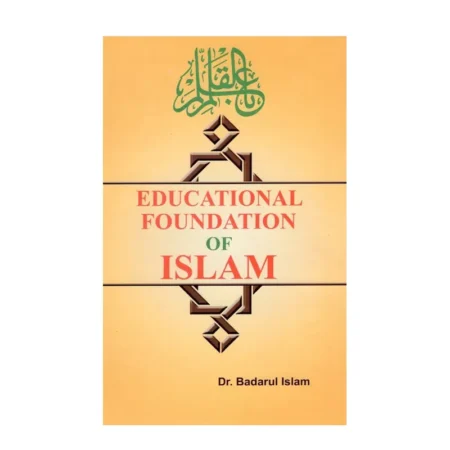
- Educational Foundation Of Islam Dr. Badarul Islam Adam Publishers (English)
1 in stock

- Conclusion
- Mukhtasar Tareekh Mashaikh-e-Awadh by Dr. Razi Ahmad Kamal is a concise yet comprehensive study of the spiritual, cultural, and social contributions of Sufi saints in Awadh.
- The book highlights the spiritual guidance, ethical influence, and societal reform brought about by the Mashaikh.
- Sufi saints acted as moral exemplars, educators, and cultural patrons, shaping Awadh’s identity and leaving a lasting legacy.
- The work demonstrates how Islamic spirituality, when integrated with social and cultural engagement, creates a balanced and harmonious society.
- Key Takeaways:
- Sufi saints of Awadh were central to both spiritual guidance and societal welfare.
- Their teachings emphasized ethics, devotion, and service to humanity.
- Different Sufi orders (Chishti, Qadiri, Suhrawardi, Naqshbandi) contributed unique perspectives and practices.
- Saints influenced governance, culture, education, and interfaith harmony.
- The legacy of Awadh’s Mashaikh continues to inspire spirituality, literature, and cultural identity in the region.
2 in stock

- Muslim Jurisprudence And The Quranic Law Of Crimes Mir Waliullah (Adam) English
2 in stock

- Islami Tareekh Muhammad Abdul Hayi Al Hasanat (Urdu)
- Conclusion
- Islami Tareekh by Muhammad Abdul Hayi provides a comprehensive overview of Islamic history in a manner that is both educational and spiritually instructive. Key contributions of the book include:
- Chronological Clarity: Covers the life of Prophet Muhammad ﷺ, the Rashidun Caliphs, major dynasties, and regional expansions.
- Integration of Faith and History: Events are analyzed not only historically but also for moral and spiritual lessons.
- Cultural and Intellectual Perspective: Highlights achievements in science, philosophy, literature, and governance.
- Guidance for Modern Muslims: Encourages understanding of historical models of leadership, justice, and piety.
- The book is particularly valuable for Urdu-speaking readers seeking a thorough understanding of Islamic history, from its inception to the challenges faced by Muslim societies in later centuries.
- Key Takeaways:
- Islam emphasizes faith, justice, knowledge, and social welfare.
- Leadership must combine morality, courage, and service to the people.
- Intellectual and cultural achievements are integral to the strength of Muslim civilization.
- History offers lessons in resilience, ethics, and spiritual development.
1 in stock
Reviews
There are no reviews yet.