
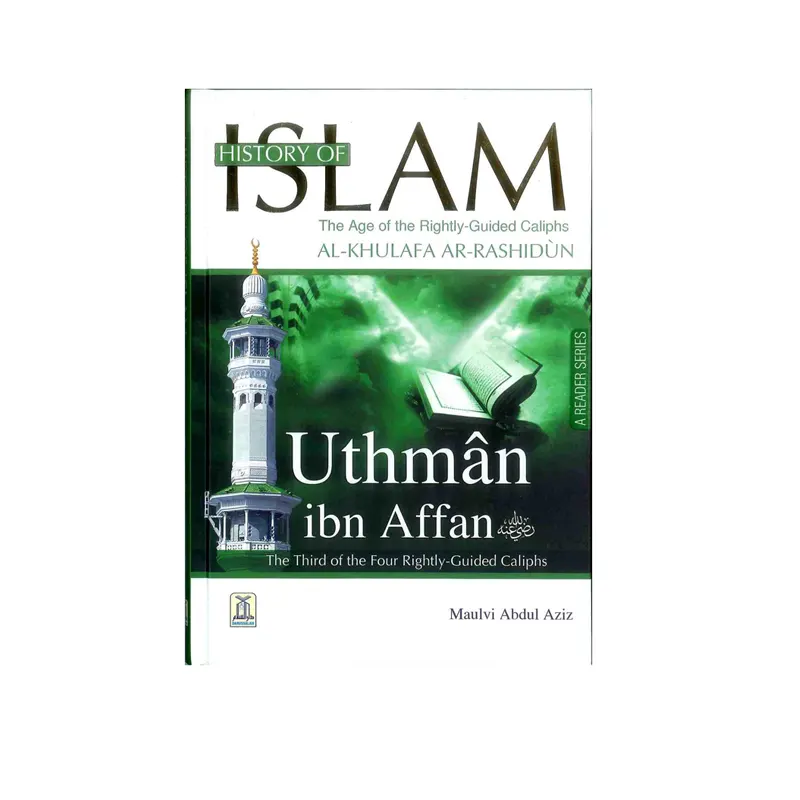
History Of Islam ( Maulvi Abdul Aziz ) Darussalam English

₹1,250.00
- History Of Islam ( Maulvi Abdul Aziz ) Darussalam English
- Purpose and Methodology of the Book
- Comprehensive Coverage: The book spans from the pre-Islamic period in Arabia to the medieval Islamic empires, emphasizing major events, figures, and developments.
- Ethical and Spiritual Focus: Events are analyzed for the moral and spiritual lessons they convey, highlighting the guidance Islam provides for personal and societal conduct.
- Accessible Presentation: Written in clear English, the book balances historical detail with readability, making it suitable for both academic and general readership.
- Abdul Aziz’s approach ensures that history is understood as a living guide, providing insights for both individual development and communal well-being.
- 2. Pre-Islamic Arabia (Jahiliyyah)
- Society and Tribal Structure: The book describes the tribal system, customs, and the code of honor that governed pre-Islamic Arabia.
- Religious Practices: Polytheism, idol worship, and ritual practices are explained to contextualize the social and spiritual environment before Islam.
- Economic and Cultural Life: Trade routes, marketplaces, and the rise of Mecca as a commercial hub are highlighted as precursors to the socio-political significance of the region.
Out of stock
History Of Islam ( Maulvi Abdul Aziz ) Darussalam English
History of Islam by Maulvi Abdul Aziz is a comprehensive English-language work that traces the development of Islam from its inception in the Arabian Peninsula to the consolidation of the Muslim Ummah under various dynasties. The book provides a chronological narrative enriched with ethical, spiritual, and socio-political insights. It is designed for students, scholars, and general readers seeking both factual knowledge and understanding of the moral and spiritual lessons embedded in Islamic history.
1. Purpose and Methodology of the Book
Comprehensive Coverage: The book spans from the pre-Islamic period in Arabia to the medieval Islamic empires, emphasizing major events, figures, and developments.
Ethical and Spiritual Focus: Events are analyzed for the moral and spiritual lessons they convey, highlighting the guidance Islam provides for personal and societal conduct.
Accessible Presentation: Written in clear English, the book balances historical detail with readability, making it suitable for both academic and general readership.
Abdul Aziz’s approach ensures that history is understood as a living guide, providing insights for both individual development and communal well-being.
2. Pre-Islamic Arabia (Jahiliyyah)
Society and Tribal Structure: The book describes the tribal system, customs, and the code of honor that governed pre-Islamic Arabia.
Religious Practices: Polytheism, idol worship, and ritual practices are explained to contextualize the social and spiritual environment before Islam.
Economic and Cultural Life: Trade routes, marketplaces, and the rise of Mecca as a commercial hub are highlighted as precursors to the socio-political significance of the region.
By outlining these conditions, Abdul Aziz establishes the transformative impact of Islam on Arabian society.
3. Life of Prophet Muhammad (S.A.W.)
Early Life and Character: Stories of honesty, integrity, and moral uprightness are emphasized.
Revelation and Early Mission: The book details the first revelations, the gradual propagation of Islam, and the challenges faced in Mecca, including persecution and social boycotts.
Hijra to Medina: The migration is presented as a pivotal event, showcasing faith, strategic thinking, and communal organization.
Community Building: The Prophet’s establishment of a just society in Medina, with emphasis on consultation (Shura), justice, and mutual rights, is detailed.
These narratives highlight the integration of spiritual guidance, ethical principles, and practical leadership.
4. The Rashidun Caliphate (632–661 CE)
Abu Bakr Siddiq (RA): Consolidation of the Muslim state, suppression of rebellions (Riddah Wars), and preservation of unity.
Umar ibn al-Khattab (RA): Administrative reforms, expansion of territories, and establishment of justice and social welfare systems.
Uthman ibn Affan (RA): Compilation of the Quran, administrative challenges, and the consequences of favoritism and nepotism in governance.
Ali ibn Abi Talib (RA): Ethical leadership, internal conflicts, and efforts to preserve justice amidst civil strife (First Fitna).
Abdul Aziz emphasizes that the Rashidun period exemplifies ethical governance, accountability, and the integration of faith with administration.
5. Umayyad and Abbasid Dynasties
Umayyad Rule (661–750 CE): Focus on territorial expansion, administrative structures, challenges of dynastic rule, and regional governance.
Abbasid Rule (750–1258 CE): Baghdad as a center of intellectual, cultural, and commercial activity; support for scholarship, trade, and public welfare.
Ethical and Moral Reflections: Even during periods of political complexity, the book emphasizes adherence to Islamic principles as the foundation of lasting success.
The author demonstrates that political power alone is insufficient without ethical and spiritual grounding.
6. Intellectual, Cultural, and Scientific Achievements
Scholars and Thinkers: Contributions in medicine, astronomy, mathematics, and philosophy are highlighted, including figures like Al-Khwarizmi, Al-Farabi, and Ibn Sina.
Literature and Arts: Arabic and Persian literature, poetry, and architectural achievements are discussed as reflections of ethical and spiritual values.
Education and Knowledge Dissemination: Establishment of madrassas, libraries, and centers of learning promoted moral, spiritual, and intellectual development.
Abdul Aziz underscores that Islamic civilization’s strength lay in the harmonious integration of knowledge, ethics, and spirituality.
7. Social and Ethical Life
Community Ethics: Justice, charity, and welfare of the people were central to social organization.
Role of Scholars and Spiritual Leaders: Jurists, Sufi saints, and scholars guided the community ethically and spiritually.
Individual Virtues: Emphasis on honesty, humility, patience, and personal responsibility.
The book illustrates that societal progress in Islam is inseparable from ethical, spiritual, and moral values.
8. Regional Dynasties and Spread of Islam
Fatimids, Seljuks, Mamluks, and Andalusian Muslims: Regional powers contributed to cultural preservation, intellectual advancement, and ethical governance.
Trade and Economic Expansion: Commerce and urban development facilitated cross-cultural exchange and prosperity.
Cultural Integration: Local traditions were harmonized with Islamic ethical and social principles, enriching civilization.
This section highlights that the expansion of Islam involved both spiritual guidance and the creation of just, ethical societies.
9. Challenges and Resilience of the Ummah
Internal Conflicts: Political disputes, sectarianism, and leadership struggles are analyzed.
External Threats: Crusades, Mongol invasions, and other military challenges tested the resilience of the Muslim world.
Spiritual and Moral Strength: Abdul Aziz emphasizes that faith, ethical conduct, and intellectual perseverance enabled Muslims to endure adversity.
The book shows that the Ummah’s long-term continuity relied on moral and spiritual principles rather than merely political or military might.
10. Lessons and Contemporary Relevance
Leadership and Governance: Historical examples offer guidance in justice, accountability, and ethical decision-making.
Integration of Knowledge and Ethics: Intellectual pursuits must be balanced with moral responsibility.
Community and Social Cohesion: Unity, education, and moral conduct are essential for societal resilience.
Faith and Perseverance: Spiritual devotion and moral integrity underpin long-term success and stability.
By learning from history, readers can apply its ethical and moral lessons in personal, social, and political contexts.
11. Conclusion
History of Islam by Maulvi Abdul Aziz:
Provides a thorough chronological account of Islamic history from the Prophet’s era through major dynasties.
Integrates political, social, cultural, intellectual, and ethical dimensions of Islamic civilization.
Highlights resilience, moral guidance, and spiritual strength as key factors in the development and endurance of the Muslim Ummah.
Serves as both an educational and ethical guide, showing that the study of history is most meaningful when it informs character, leadership, and societal values.
The book portrays Islamic history not merely as a sequence of events but as a rich source of moral, ethical, and spiritual guidance for individuals and communities alike.
| Weight | 250 g |
|---|---|
| Dimensions | 16 × 10 × 8 cm |
Only logged in customers who have purchased this product may leave a review.
Related Products

- Islami Tareekh Muhammad Abdul Hayi Al Hasanat (Urdu)
- Conclusion
- Islami Tareekh by Muhammad Abdul Hayi provides a comprehensive overview of Islamic history in a manner that is both educational and spiritually instructive. Key contributions of the book include:
- Chronological Clarity: Covers the life of Prophet Muhammad ﷺ, the Rashidun Caliphs, major dynasties, and regional expansions.
- Integration of Faith and History: Events are analyzed not only historically but also for moral and spiritual lessons.
- Cultural and Intellectual Perspective: Highlights achievements in science, philosophy, literature, and governance.
- Guidance for Modern Muslims: Encourages understanding of historical models of leadership, justice, and piety.
- The book is particularly valuable for Urdu-speaking readers seeking a thorough understanding of Islamic history, from its inception to the challenges faced by Muslim societies in later centuries.
- Key Takeaways:
- Islam emphasizes faith, justice, knowledge, and social welfare.
- Leadership must combine morality, courage, and service to the people.
- Intellectual and cultural achievements are integral to the strength of Muslim civilization.
- History offers lessons in resilience, ethics, and spiritual development.
1 in stock

- The Alhambra Washington Irving (Goodword) English
- Key Takeaways:
- Islam emerged in a challenging socio-political environment and transformed Arabian society through spiritual and ethical teachings.
- Prophet Muhammad’s (PBUH) leadership combined moral integrity, diplomacy, and strategic acumen.
- The Rashidun Caliphs laid the foundations of governance, justice, and expansion that shaped early Islamic history.
- Umayyad and Abbasid dynasties contributed to political consolidation and cultural flourishing.
- Islamic history provides timeless lessons in leadership, justice, morality, and social responsibility.
- Historical reflection is essential for understanding both the successes and pitfalls of past Muslim societies.
1 in stock
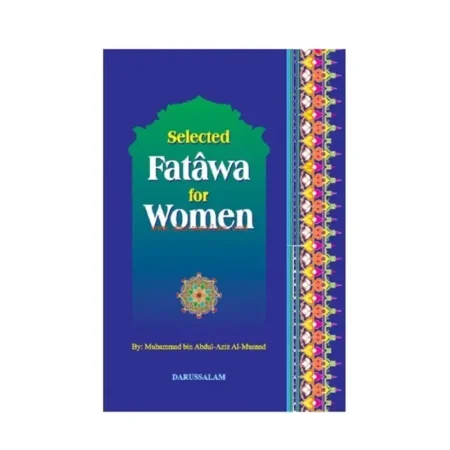
- Paperback: 48 pages
- Publisher: DARUSSALAM (1999)
- Language: English
1 in stock
1 in stock

- Key Themes in the Quran (Applicable to this Edition)
- Although this edition focuses on text presentation, it contains the entire Quran, covering all themes of Islamic guidance:
- Tawheed (Oneness of Allah)
- Repeated emphasis on Allah’s oneness, power, knowledge, and mercy.
- Prophethood (Risalah)
- Stories of prophets and the final message of Prophet Muhammad (PBUH).
- Day of Judgment (Akhirah)
- Moral accountability, rewards for righteousness, and consequences of sin.
- Ethics and Morality
- Guidance on honesty, patience, charity, forgiveness, humility, and social justice.
- Worship and Obligations
- Instructions on prayer (Salah), fasting (Sawm), Zakat, Hajj, and daily conduct.
- Stories of Nations and Lessons
- Narratives from past nations serve as moral lessons, emphasizing obedience to Allah and consequences of injustice.
1 in stock
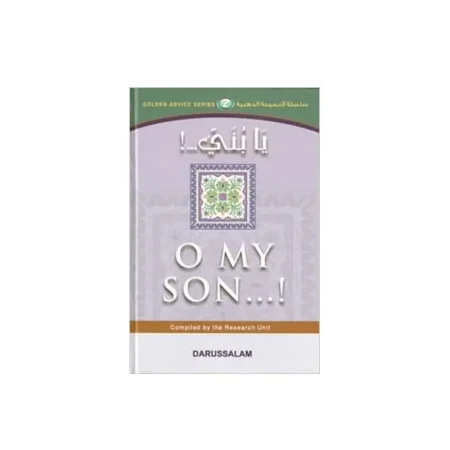
- Series: The Golden Series (Book 2)
- Hardcover: 111 pages
- Publisher: Dar-us-Salam (2007)
- Language: English
2 in stock
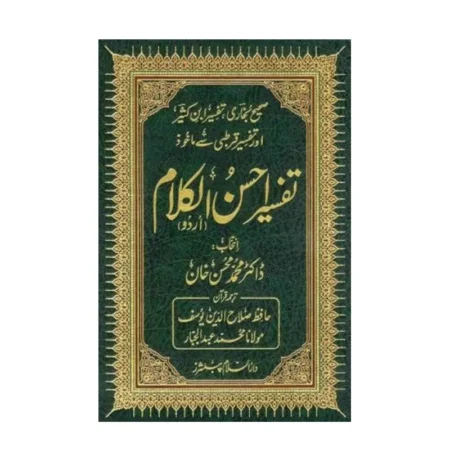
- Conclusion
- Tafseer Ahsanul Kalam (Darussalam) by Dr. Muhammad Muhsin Khan and Hafiz Salahuddin Yusuf:
- Provides clear, authentic, and accessible explanations of the Qur’an.
- Integrates spiritual guidance, moral ethics, and social reform, reflecting Islam’s holistic approach.
- Uses a multi-lingual format to make classical scholarship accessible for modern readers.
- Encourages reflection, ethical behavior, and practical application of Qur’anic guidance.
- Serves as a reliable resource for scholars, students, and anyone seeking a comprehensive understanding of the Qur’an.
3 in stock
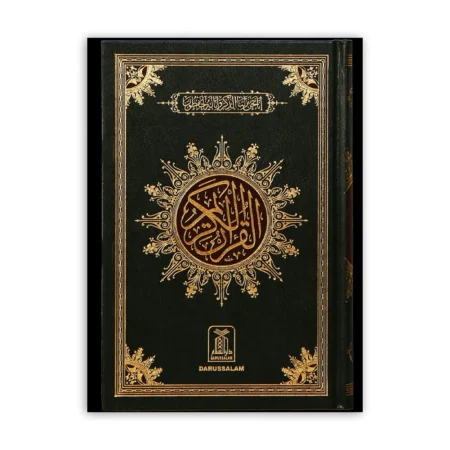
- Practical Lessons for Readers
- Daily Recitation
- Encourages consistent Tilawat, enhancing spiritual reflection and moral awareness.
- Memorization Discipline
- 15-line pages allow learners to memorize systematically and retain verses effectively.
- Tajweed Accuracy
- Recitation rules ensure proper pronunciation, elongation, and pauses, preserving the beauty of Quranic recitation.
- Spiritual Reflection
- Encourages thinking about meaning, guidance, and application while reciting.
- Structured Learning
- Supports incremental progress, making memorization less daunting and more achievable.
11 in stock
Key Themes and Analysis
1. Administrative Changes Under Mughal Rule
2. Socio-Cultural Transformations
3. Economic Developments
4. Decline of Mughal Influence and Rise of Maratha Power
5. British Colonial Encroachment
1 in stock
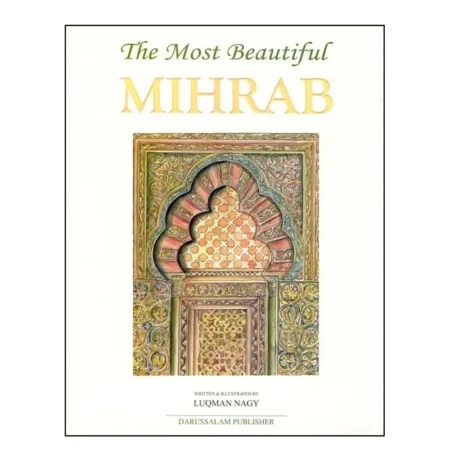
- The Most Beautiful Mihrab Luqman Nagy Darussalam (English)
1 in stock
- Summarized Sahih Al-Bukhari Dr. Muhammad Muhsin Khan Darussalam (Arabic/English)
3 in stock
- The Prophetic Medical Science Shamsuddin Mohammed Ibn Qayyim Al-Jawziyya Idara (English)
- Purpose and Scope of the Book
- Preservation of Health in Islam: The book aims to highlight how Islam promotes personal hygiene, healthy living, and disease prevention.
- Spiritual and Ethical Integration: Prophetic medicine is not just physical; it incorporates mental and spiritual health.
- Practical Guidance: Offers remedies, preventive measures, and dietary recommendations that are relevant for contemporary readers.
- Educational Resource: Serves scholars, students, healthcare professionals, and anyone interested in the intersection of medicine and Islamic guidance.
- The book emphasizes that health is a divine trust and that human beings have a responsibility to care for their bodies and souls.
- 2. Concept of Health in Prophetic Medicine
- Holistic Approach: Health encompasses physical, mental, and spiritual well-being. A balanced lifestyle ensures harmony among body, mind, and soul.
- Preventive Care: Emphasizes diet, cleanliness, exercise, and moderation as primary means of disease prevention.
- Spiritual Health: Strong faith, prayer, gratitude, and ethical conduct are considered essential for overall well-being.
- Natural Remedies: The Prophet recommended natural substances like honey, black seed (Nigella sativa), dates, olive oil, and water for healing and maintenance of health.
1 in stock
Reviews
There are no reviews yet.