
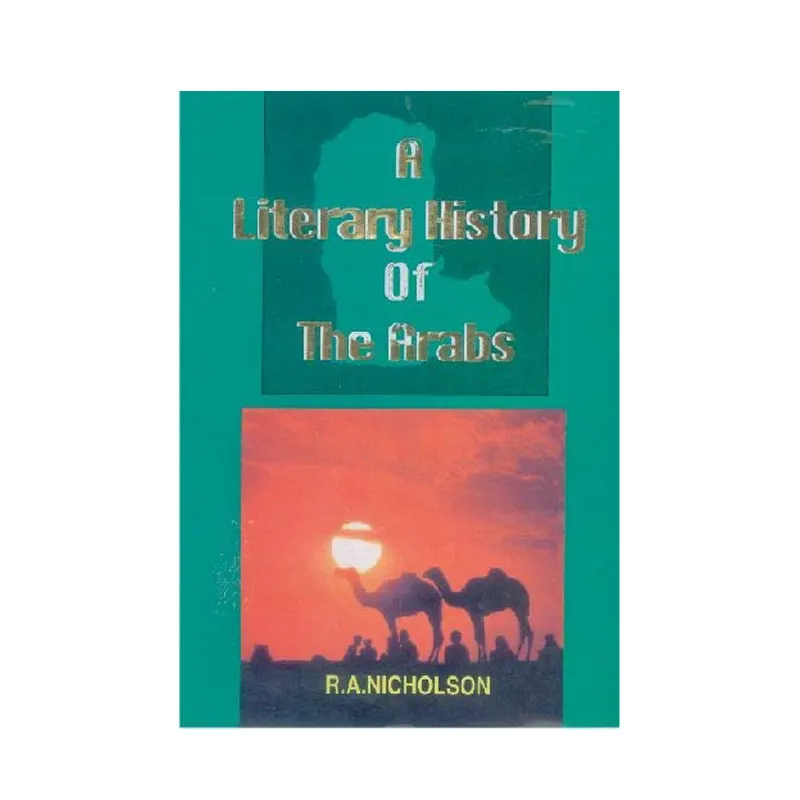
A Literary History Of The Arabs ( R.A.Nicholson ) Adam English
₹995.00
- A Literary History Of The Arabs ( R.A.Nicholson ) Adam English
- Purpose and Scope of the Book
- Comprehensive Literary Survey: The book traces the development of Arabic literature from pre-Islamic oral traditions to classical and medieval works, emphasizing both form and content.
- Integration with History and Culture: Nicholson situates literary achievements within the socio-political, economic, and religious context of each period.
- Analytical Approach: Written in clear English, the book is intended for students, scholars, and general readers interested in literature, history, and cultural studies.
- The primary aim is to show that Arabic literature reflects the moral, social, and spiritual fabric of Arab society across centuries.
- 2. Pre-Islamic Poetry (Jahiliyyah Period)
- Oral Tradition: Poetry was primarily oral, with professional poets (sha‘ir) serving as the voice of tribes, preserving history, customs, and values.
- Themes: Valor, honor, tribal loyalty, love, and the natural landscape were central. Ethical and social norms were conveyed through verse.
- Qasida Structure: The traditional ode (qasida) was formalized with a standard structure, blending aesthetic beauty with social commentary.
- Cultural Significance: Poetry played a role in maintaining tribal identity, resolving disputes, and fostering social cohesion.
Out of stock
A Literary History Of The Arabs ( R.A.Nicholson ) Adam English
R.A. Nicholson’s A Literary History of the Arabs is a comprehensive English-language study that traces the evolution of Arabic literature from its pre-Islamic origins to later periods of Islamic civilization. Unlike conventional histories of politics or religion, Nicholson’s work focuses on literary, cultural, and intellectual developments, exploring poetry, prose, rhetoric, and the social and ethical dimensions of literary expression. The book not only highlights the aesthetic and artistic achievements of the Arab world but also connects literature to broader historical, cultural, and moral contexts.
1. Purpose and Scope of the Book
Comprehensive Literary Survey: The book traces the development of Arabic literature from pre-Islamic oral traditions to classical and medieval works, emphasizing both form and content.
Integration with History and Culture: Nicholson situates literary achievements within the socio-political, economic, and religious context of each period.
Analytical Approach: Written in clear English, the book is intended for students, scholars, and general readers interested in literature, history, and cultural studies.
The primary aim is to show that Arabic literature reflects the moral, social, and spiritual fabric of Arab society across centuries.
2. Pre-Islamic Poetry (Jahiliyyah Period)
Oral Tradition: Poetry was primarily oral, with professional poets (sha‘ir) serving as the voice of tribes, preserving history, customs, and values.
Themes: Valor, honor, tribal loyalty, love, and the natural landscape were central. Ethical and social norms were conveyed through verse.
Qasida Structure: The traditional ode (qasida) was formalized with a standard structure, blending aesthetic beauty with social commentary.
Cultural Significance: Poetry played a role in maintaining tribal identity, resolving disputes, and fostering social cohesion.
Nicholson emphasizes that pre-Islamic poetry laid the foundation for later literary expression, balancing artistry with moral and cultural content.
3. Literature in the Early Islamic Period
Integration with Religion: The Qur’an had a profound influence on language, style, and literary aesthetics, elevating Arabic expression to new heights.
Poetry and Prose: Early Islamic poetry included panegyrics, elegies, and moral exhortation, often inspired by religious and ethical principles.
Role of Poets: Poets continued to serve as social commentators, praising rulers, commemorating events, and providing moral instruction.
The period demonstrates how literature evolved to reflect Islamic ideals while preserving cultural and linguistic heritage.
4. Classical Arabic Literature
Prose Development: The emergence of historical, philosophical, and religious prose enriched Arabic intellectual life.
Rhetoric and Eloquence: Techniques of eloquence (balagha) and literary criticism became formalized, influencing both written and oral expression.
Literary Centers: Cities like Baghdad, Damascus, and Cordoba became hubs for literary and intellectual activity, fostering scholarship, poetry, and philosophical discourse.
Nicholson highlights the synthesis of aesthetic, ethical, and intellectual values in classical Arabic literature.
5. Poetry in the Umayyad and Abbasid Eras
Umayyad Poetry (661–750 CE): Courtly poetry flourished, with themes of political legitimacy, celebration of rulers, and moral reflection.
Abbasid Poetry (750–1258 CE): Poetry diversified, incorporating love, nature, philosophy, and ethical discourse. Poets like Abu Nuwas, Al-Mutanabbi, and Al-Ma’arri exemplified the blending of artistic mastery with social and moral commentary.
Patronage and Cultural Influence: Royal and elite patronage fostered literary creativity while connecting art to political and social life.
Nicholson demonstrates that poetry was not merely aesthetic but a medium of ethical guidance and intellectual engagement.
6. Prose and Intellectual Writings
Historical and Biographical Works: Early Islamic historians and biographers combined factual reporting with moral and religious reflections.
Philosophy and Theology: Intellectual works explored ethics, logic, and metaphysics, demonstrating the interplay of faith and reason.
Rhetorical Mastery: Prose was crafted with attention to clarity, elegance, and ethical persuasion.
The author stresses that Arabic prose contributed to both intellectual and moral development of society.
7. Influence of Literature on Society and Culture
Ethical and Moral Guidance: Literature was a vehicle for transmitting social values, ethical norms, and religious teachings.
Preservation of History and Culture: Poetry and prose recorded events, genealogies, and societal customs.
Cultural Identity: Arabic literature reinforced a shared linguistic, spiritual, and ethical identity across the Islamic world.
Nicholson portrays literature as a reflection of societal values, with the power to educate, inspire, and unite communities.
8. Later Developments and Regional Variations
Regional Schools: Literature evolved in centers such as Andalusia, Persia, and Egypt, integrating local influences while retaining Arabic literary principles.
Intellectual Exchange: Translation, commentary, and adaptation of foreign works enriched Arabic prose and poetry.
Integration of Ethics and Art: Even in later periods, literature maintained its function as a moral guide, balancing entertainment, instruction, and spiritual reflection.
This demonstrates the enduring adaptability and moral relevance of Arabic literary traditions.
9. Key Literary Genres
Poetry: Panegyric, elegy, satirical, mystical, and love poetry, each with ethical or moral dimensions.
Prose: History, biography, philosophy, theology, and adab (ethical literature) formed a robust intellectual corpus.
Rhetoric: Techniques of eloquence, style, and oratory were central to education and public life.
Nicholson emphasizes that mastery of literary forms was intertwined with ethical, spiritual, and intellectual cultivation.
10. Lessons and Contemporary Relevance
Ethical Dimensions of Literature: Literature teaches values, preserves moral standards, and promotes social cohesion.
Integration of Art and Morality: Artful expression need not be divorced from ethical guidance.
Cultural and Intellectual Continuity: Studying Arabic literature helps understand the historical and spiritual foundations of Islamic civilization.
Inspiration for Modern Writers: Lessons in eloquence, ethics, and intellectual rigor remain relevant for contemporary literary and cultural endeavors.
Nicholson encourages readers to appreciate literature as a mirror of society, ethics, and human intellect.
11. Conclusion
A Literary History of the Arabs by R.A. Nicholson:
Provides a detailed chronological account of Arabic literature from pre-Islamic to later Islamic periods.
Connects literary expression with ethical, spiritual, and intellectual development.
Highlights poetry, prose, rhetoric, and intellectual works as vehicles of moral guidance and cultural preservation.
Emphasizes the role of literature in shaping social, political, and ethical consciousness across the Islamic world.
Nicholson presents Arabic literature not merely as artistic achievement but as a reflection of civilization, moral values, and intellectual vitality, offering timeless lessons for both scholarship and personal growth.
| Weight | 300 g |
|---|---|
| Dimensions | 16 × 10 × 8 cm |
Only logged in customers who have purchased this product may leave a review.
Related Products

- Caliphate & Sultanate In Medieval Persia Dr. A. H. Siddiqi Adam Publishers (English)
1 in stock
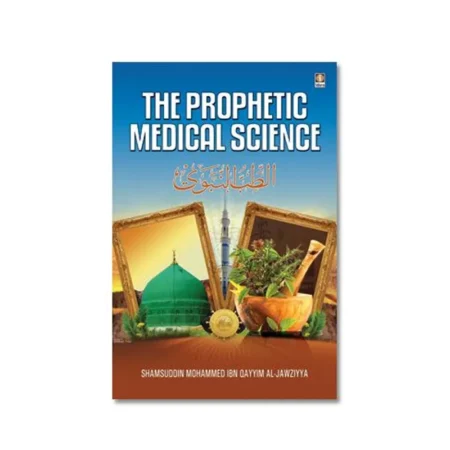
- The Prophetic Medical Science Shamsuddin Mohammed Ibn Qayyim Al-Jawziyya Idara (English)
- Purpose and Scope of the Book
- Preservation of Health in Islam: The book aims to highlight how Islam promotes personal hygiene, healthy living, and disease prevention.
- Spiritual and Ethical Integration: Prophetic medicine is not just physical; it incorporates mental and spiritual health.
- Practical Guidance: Offers remedies, preventive measures, and dietary recommendations that are relevant for contemporary readers.
- Educational Resource: Serves scholars, students, healthcare professionals, and anyone interested in the intersection of medicine and Islamic guidance.
- The book emphasizes that health is a divine trust and that human beings have a responsibility to care for their bodies and souls.
- 2. Concept of Health in Prophetic Medicine
- Holistic Approach: Health encompasses physical, mental, and spiritual well-being. A balanced lifestyle ensures harmony among body, mind, and soul.
- Preventive Care: Emphasizes diet, cleanliness, exercise, and moderation as primary means of disease prevention.
- Spiritual Health: Strong faith, prayer, gratitude, and ethical conduct are considered essential for overall well-being.
- Natural Remedies: The Prophet recommended natural substances like honey, black seed (Nigella sativa), dates, olive oil, and water for healing and maintenance of health.
1 in stock
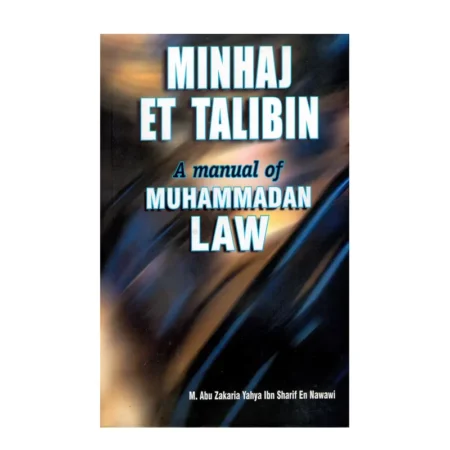
- Minhaj Et Talibin A Manual Of Muhammadan Law M. Abu Zakaria Yahya Ibn Sharif En Nawawi Aadam Publishers (English)
1 in stock
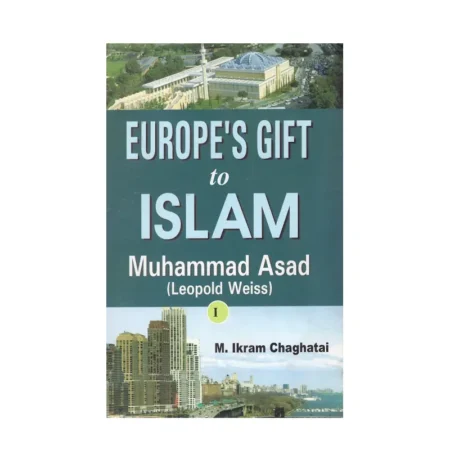
- Europe’S Gift To Islam Vol 1&2 Muhammad Asad (Adam) English
1 in stock
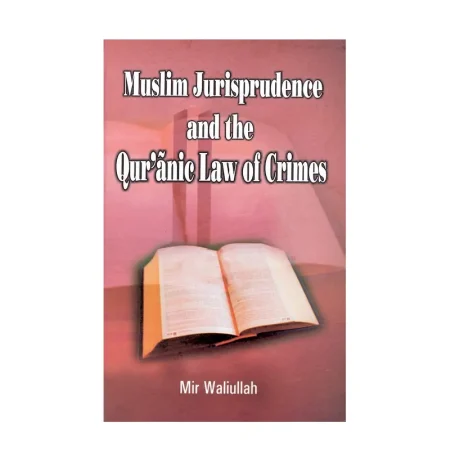
- Muslim Jurisprudence And The Quranic Law Of Crimes Mir Waliullah (Adam) English
2 in stock

- A Comparative Study Of Christianity & Islam By Ulfat Azizus Samad (Adam Publishers) English
1 in stock

- Islami Tareekh Muhammad Abdul Hayi Al Hasanat (Urdu)
- Conclusion
- Islami Tareekh by Muhammad Abdul Hayi provides a comprehensive overview of Islamic history in a manner that is both educational and spiritually instructive. Key contributions of the book include:
- Chronological Clarity: Covers the life of Prophet Muhammad ﷺ, the Rashidun Caliphs, major dynasties, and regional expansions.
- Integration of Faith and History: Events are analyzed not only historically but also for moral and spiritual lessons.
- Cultural and Intellectual Perspective: Highlights achievements in science, philosophy, literature, and governance.
- Guidance for Modern Muslims: Encourages understanding of historical models of leadership, justice, and piety.
- The book is particularly valuable for Urdu-speaking readers seeking a thorough understanding of Islamic history, from its inception to the challenges faced by Muslim societies in later centuries.
- Key Takeaways:
- Islam emphasizes faith, justice, knowledge, and social welfare.
- Leadership must combine morality, courage, and service to the people.
- Intellectual and cultural achievements are integral to the strength of Muslim civilization.
- History offers lessons in resilience, ethics, and spiritual development.
1 in stock
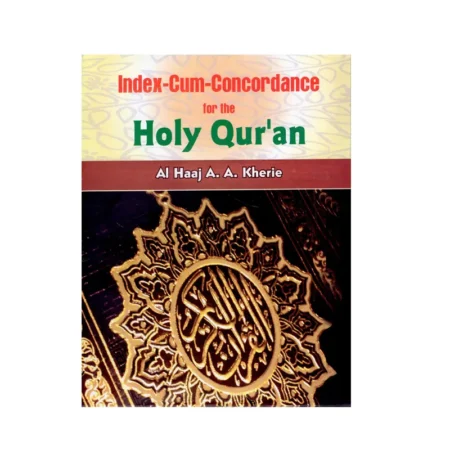
- Index-Cum-Concordance For The Qur’An Al Haaj A. A. Kherie Adam Publishers (English)
2 in stock

2 in stock
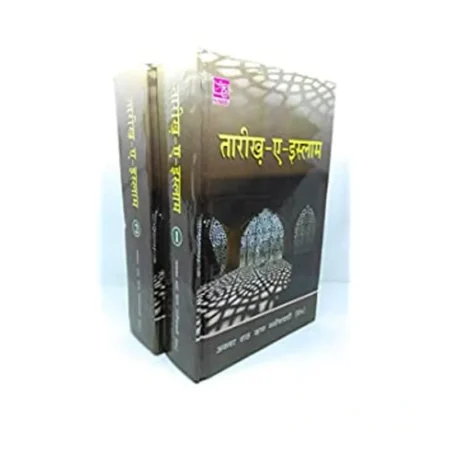
- Tarikh-E-Islam Akbar Shah Khan Najibabadi Al Hasanat (Hindi) 2 Volume Set
- Key Takeaways:
- Islam emerged in a challenging socio-political environment and transformed Arabian society through spiritual and ethical teachings.
- Prophet Muhammad’s (PBUH) leadership combined moral integrity, diplomacy, and strategic acumen.
- The Rashidun Caliphs laid the foundations of governance, justice, and expansion that shaped early Islamic history.
- Umayyad and Abbasid dynasties contributed to political consolidation and cultural flourishing.
- Islamic history provides timeless lessons in leadership, justice, morality, and social responsibility.
- Historical reflection is essential for understanding both the successes and pitfalls of past Muslim societies.
2 in stock
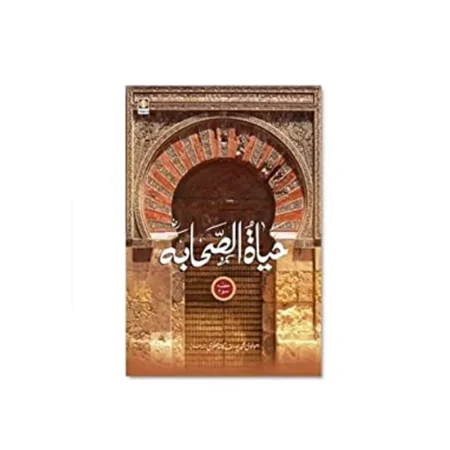
- Hayatus Sahaba Part -3 Hazrat Maulana Muhammad Yusuf Kandhalvi Idara (Urdu)
Conclusion
Hayatus Sahaba Part 3 by Hazrat Maulana Muhammad Yusuf Kandhalvi (RA) completes the journey of the Sahaba’s lives by showing how they carried Islam to the world.
- It records their dawah efforts, their bravery in jihad, their sacrifices, and their role as just and compassionate leaders.
This volume is not just a history of expansion; it is a blueprint for Muslim life and responsibility. It teaches that:
- Islam is not private—it is a universal mission.
- Sacrifice and struggle are necessary for spreading truth.
- Justice, honesty, and compassion are the foundation of Islamic influence.
- Ordinary people, with extraordinary faith, can change the course of history.
1 in stock
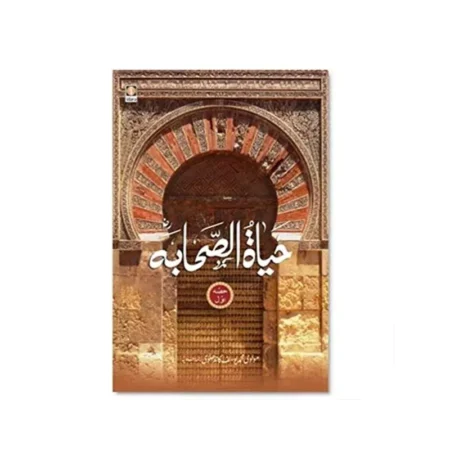
- Hayatus Sahaba Part -1 Hazrat Maulana Muhammad Yusuf Kandhalvi Idara (Urdu)
Overarching Themes Across All Three Volumes
- Faith and Conviction
The Sahaba were ordinary people transformed into extraordinary personalities because of their unshakable belief in Allah and the Prophet ﷺ. - Sacrifice and Struggle
They gave up wealth, family ties, and even their lives for Islam. Their sacrifices laid the foundation of the global Muslim Ummah. - Worship and Spirituality
Their strength came from constant connection with Allah through salah, Qur’an, and dhikr. - Simplicity and Humility
Despite wealth or authority, they lived simply and avoided arrogance. - Dawah and Responsibility
They understood Islam as a global message and considered it their duty to spread it everywhere. - Justice and Character
Their honesty, compassion, and fairness won people’s hearts more than any sword or wealth.
- Faith and Conviction
3 in stock
Reviews
There are no reviews yet.