

History Of Bijapur Subah (1686-1885) (Dr. Abdul Gani Imaratwale) Islamic Wonders Bureau English
Original price was: ₹4,489.00.₹4,100.00Current price is: ₹4,100.00.
Key Themes and Analysis
1. Administrative Changes Under Mughal Rule
2. Socio-Cultural Transformations
3. Economic Developments
4. Decline of Mughal Influence and Rise of Maratha Power
5. British Colonial Encroachment
History Of Bijapur Subah (1686-1885) (Dr. Abdul Gani Imaratwale) Islamic Wonders Bureau English
Introduction
History of Bijapur Subah (1686–1885) by Dr. Abdul Gani Imaratwale is a comprehensive scholarly work that delves into the political, administrative, and socio-cultural developments of the Bijapur region during the specified period. The book bridges the historical gap following the fall of the Adil Shahi dynasty, providing insights into the region’s evolution under Mughal and Maratha rule.
Context and Background
In 1686, the Mughal Emperor Aurangzeb annexed the Bijapur Sultanate, marking the end of the Adil Shahi dynasty. This transition transformed Bijapur into a Mughal Subah (province), leading to significant administrative and cultural changes. Dr. Imaratwale’s work focuses on this transitional phase, examining the region’s integration into the Mughal Empire and its subsequent developments until 1885.
Key Themes and Analysis
1. Administrative Changes Under Mughal Rule
Dr. Imaratwale explores the administrative restructuring of Bijapur following its annexation. The region was incorporated into the Mughal administrative framework, with the appointment of Mughal officials overseeing revenue collection, law enforcement, and military organization. The book analyzes how these changes impacted local governance and the traditional power structures that existed under the Adil Shahi dynasty.
2. Socio-Cultural Transformations
The Mughal presence brought about significant socio-cultural changes in Bijapur. Dr. Imaratwale examines the fusion of Mughal and local Deccan cultures, particularly in architecture, language, and religious practices. The book highlights the continuation of Islamic traditions alongside the introduction of Mughal artistic and cultural influences, leading to a unique cultural synthesis in the region.
3. Economic Developments
The economic landscape of Bijapur underwent transformations during this period. Dr. Imaratwale discusses the impact of Mughal policies on agriculture, trade, and urbanization in Bijapur. The establishment of new markets, infrastructure projects, and the promotion of trade routes contributed to the region’s economic growth, despite challenges such as frequent conflicts and administrative changes.
4. Decline of Mughal Influence and Rise of Maratha Power
By the early 18th century, the Mughal Empire’s influence in the Deccan began to wane, leading to the rise of regional powers. Dr. Imaratwale details the emergence of the Maratha Confederacy and its impact on Bijapur. The book examines the shifting allegiances, military engagements, and political negotiations that characterized the region’s transition from Mughal to Maratha control.
5. British Colonial Encroachment
The latter part of the 18th century saw the British East India Company expanding its influence in India. Dr. Imaratwale traces the gradual encroachment of British power in Bijapur, culminating in its integration into the British colonial administration. The book discusses the socio-political implications of British policies on the local population and the legacy of colonial rule in the region.
Methodology
Dr. Imaratwale employs a multidisciplinary approach, utilizing primary sources such as administrative records, contemporary accounts, and architectural studies. The book is meticulously researched, with a critical analysis of historical documents and artifacts that provide a nuanced understanding of Bijapur’s history during this period.
Significance of the Work
History of Bijapur Subah (1686–1885) fills a crucial gap in the historiography of the Deccan region. By focusing on the transitional period between the fall of the Adil Shahi dynasty and the rise of British colonialism, Dr. Imaratwale provides valuable insights into the complexities of regional governance, cultural transformations, and socio-economic changes. The book serves as an essential resource for scholars and students interested in the history of South India, particularly the Deccan plateau.
Conclusion
Dr. Abdul Gani Imaratwale’s History of Bijapur Subah (1686–1885) offers a detailed and scholarly examination of a pivotal period in the history of the Bijapur region. Through rigorous research and analysis, the book sheds light on the administrative, cultural, economic, and political developments that shaped the region’s history during this era. It stands as a significant contribution to the understanding of South Indian history and the broader narrative of India’s past.
Only logged in customers who have purchased this product may leave a review.
Related Products

- 98 percent Natural origin
- Pure vegetarian
- Refreshing mint taste
- Natural antibacterial protection for strong teeth and healthy gums
- Enriched with the natural germ-fighting properties of Neem, prevents cavities, bleeding gums and inflammation
6 in stock
1 in stock

- Taste and texture: Amber dates are fresh, rich with a syrupy flavor. It is soft and fleshy dry variety of date fruit from Saudi Arabia
- Color and size: Amber Dates are the smallest and most fragile type of dates. The firm skin and flesh turn amber, then golden brown when stored, and the fruit itself is small to medium in size.
- Uses: Amber Dates are famous for their extraordinary size, quality and health benefits. Amber Dates are counted among the top-most variety of dates. They are a favourite premium dates variety in Middle East.
- Origins: Amber dates are grown in Saudi Arabia , cultivated from Madinah .
- in 500g , Occasions Amber VIP can between 20-25 pieces
24 in stock
- Peanuts are sorted to deliver consistency in quality
- No artificial flavours. No preservatives
- Packaging designed to retain the goodness
- Net weight: 250g
9 in stock
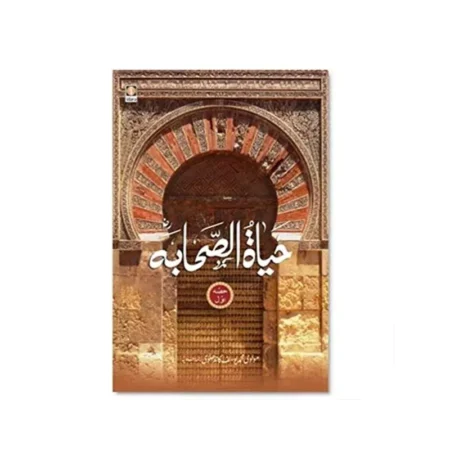
- Hayatus Sahaba Part -1 Hazrat Maulana Muhammad Yusuf Kandhalvi Idara (Urdu)
Overarching Themes Across All Three Volumes
- Faith and Conviction
The Sahaba were ordinary people transformed into extraordinary personalities because of their unshakable belief in Allah and the Prophet ﷺ. - Sacrifice and Struggle
They gave up wealth, family ties, and even their lives for Islam. Their sacrifices laid the foundation of the global Muslim Ummah. - Worship and Spirituality
Their strength came from constant connection with Allah through salah, Qur’an, and dhikr. - Simplicity and Humility
Despite wealth or authority, they lived simply and avoided arrogance. - Dawah and Responsibility
They understood Islam as a global message and considered it their duty to spread it everywhere. - Justice and Character
Their honesty, compassion, and fairness won people’s hearts more than any sword or wealth.
- Faith and Conviction
3 in stock

- Organization: Keeps your lipsticks neatly arranged and prevents clutter.
- Visibility: Clear design allows you to see all your lipsticks easily.
- Space-Efficient: Compact size saves space on your vanity or dresser.
- Stylish: Adds a modern touch to your makeup storage area.
1 in stock

- Oud Sharqia Perfumed Water
- 100Ml
2 in stock
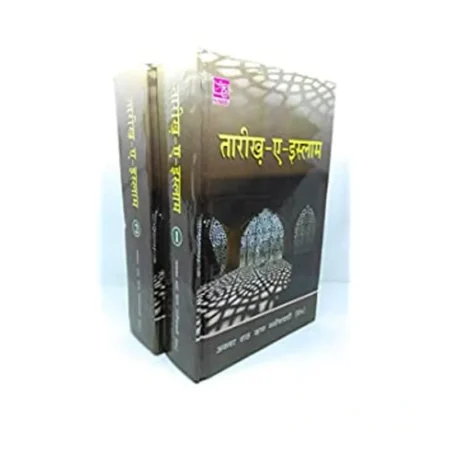
- Tarikh-E-Islam Akbar Shah Khan Najibabadi Al Hasanat (Hindi) 2 Volume Set
- Key Takeaways:
- Islam emerged in a challenging socio-political environment and transformed Arabian society through spiritual and ethical teachings.
- Prophet Muhammad’s (PBUH) leadership combined moral integrity, diplomacy, and strategic acumen.
- The Rashidun Caliphs laid the foundations of governance, justice, and expansion that shaped early Islamic history.
- Umayyad and Abbasid dynasties contributed to political consolidation and cultural flourishing.
- Islamic history provides timeless lessons in leadership, justice, morality, and social responsibility.
- Historical reflection is essential for understanding both the successes and pitfalls of past Muslim societies.
2 in stock

- Brand- Hlr Star
- Name- Eyeshadow
3 in stock

- Conclusion
- Mukhtasar Tareekh Mashaikh-e-Awadh by Dr. Razi Ahmad Kamal is a concise yet comprehensive study of the spiritual, cultural, and social contributions of Sufi saints in Awadh.
- The book highlights the spiritual guidance, ethical influence, and societal reform brought about by the Mashaikh.
- Sufi saints acted as moral exemplars, educators, and cultural patrons, shaping Awadh’s identity and leaving a lasting legacy.
- The work demonstrates how Islamic spirituality, when integrated with social and cultural engagement, creates a balanced and harmonious society.
- Key Takeaways:
- Sufi saints of Awadh were central to both spiritual guidance and societal welfare.
- Their teachings emphasized ethics, devotion, and service to humanity.
- Different Sufi orders (Chishti, Qadiri, Suhrawardi, Naqshbandi) contributed unique perspectives and practices.
- Saints influenced governance, culture, education, and interfaith harmony.
- The legacy of Awadh’s Mashaikh continues to inspire spirituality, literature, and cultural identity in the region.
2 in stock

- Chhuara
- 250G
4 in stock
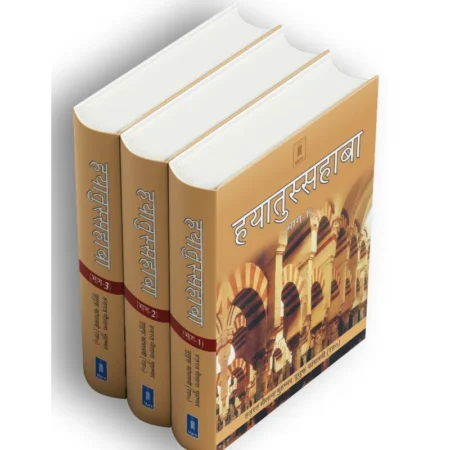
- Hayatus Sahaba Part 1,2&3 Hazrat Maulana Muhammad Yusuf Kandhalvi (Idara) Hindi
Overall Explanation and Themes
Taken together, the three parts of Hayatus Sahaba deliver timeless lessons:
- Faith and Conviction: The Sahaba’s faith was so strong that no torture, poverty, or danger could shake it.
- Love for the Prophet ﷺ: Their lives revolved around his guidance.
- Sacrifice and Simplicity: They abandoned worldly pleasures for the sake of Islam.
- Worship and Reliance on Allah: Their spiritual connection was the foundation of their strength.
- Global Responsibility: They considered spreading Islam a personal duty, not a communal option.
- Character and Justice: Their honesty and compassion won the hearts of nations.
3 in stock
Reviews
There are no reviews yet.