

Hazrat Umar Farooq E Azam

Original price was: ₹495.00.₹395.00Current price is: ₹395.00.
- Conclusion
- Hazrat Umar Farooq-e-Azam (RA) was a pioneer of justice, a defender of truth, and a model of Islamic leadership. From a feared opponent of Islam to one of its most devoted defenders, his life exemplifies transformation, courage, and devotion.
- As a companion of the Prophet ﷺ, he demonstrated loyalty, bravery, and moral guidance.
- As Caliph, he established a just and well-organized Islamic state, expanded Islam peacefully, and served the people with humility.
- His personal qualities—courage, simplicity, piety, and integrity—make him a timeless role model.
- For Muslims today, Hazrat Umar (RA) teaches that true leadership, success, and honor come from faith, service, justice, and adherence to Allah’s guidance, not from wealth, status, or power.
Out of stock
Hazrat Umar Farooq E Azam
Introduction
Hazrat Umar ibn al-Khattab (RA), famously known as Farooq-e-Azam (The Great Divider between Truth and Falsehood), is one of the most illustrious figures in Islamic history. He was the second Caliph of Islam, following the death of Hazrat Abu Bakr Siddiq (RA), and played a crucial role in consolidating the Islamic state, spreading justice, and implementing the teachings of the Qur’an and Sunnah at every level of society.
Known for his courage, piety, and strict sense of justice, Hazrat Umar (RA) was not only a political leader but also a spiritual role model. His life reflects the ideal combination of strength, wisdom, and humility, making him a source of inspiration for Muslims throughout history.
1. Early Life and Conversion to Islam
Hazrat Umar (RA) was born in 584 CE in Makkah into the powerful and respected Adi clan of the Quraysh tribe. Initially, he was a staunch opponent of Islam, known for his strict opposition and harsh treatment of Muslims.
Strong Personality: Even before Islam, Umar was known for his courage, decisiveness, and strong sense of honor.
Conversion to Islam: His transformation began when he heard about the Prophet Muhammad ﷺ and the message of Islam. Upon reading a few verses of the Qur’an, his heart was touched, and he accepted Islam. This moment marked the start of a remarkable journey of faith.
Impact on Muslims: After his conversion, Umar (RA) became one of the most fearless defenders of Islam. His acceptance instilled courage among other Muslims, strengthening the early Muslim community in Makkah.
Lesson: Transformation is possible at any stage of life; sincere acceptance of truth leads to greatness.
2. Role During the Prophet’s ﷺ Life
Hazrat Umar (RA) played a critical role in supporting the Prophet ﷺ and the Muslim community during the early years of Islam:
Protection of Muslims: Umar was known for defending Muslims against persecution. His presence alone often discouraged Quraysh leaders from harming believers.
Participation in Battles: He fought valiantly in key battles, including Badr, Uhud, and Khandaq, demonstrating both courage and loyalty.
Contribution to Islamic Governance: Even before becoming Caliph, Umar’s advice was highly valued by the Prophet ﷺ. He helped in decision-making, administration, and ensuring justice within the Muslim community.
Lesson: Courage and commitment to truth are essential for both personal and communal growth.
3. Caliphate of Hazrat Umar (RA)
After the death of Hazrat Abu Bakr (RA), Hazrat Umar (RA) became the second Caliph. His 10-year rule (634–644 CE) was marked by justice, administrative excellence, and expansion of Islam.
a. Administrative Reforms
Justice System: Hazrat Umar (RA) established an efficient judicial system where every citizen, regardless of status, had access to justice. He himself would personally hear complaints from common people.
State Organization: He divided the Islamic empire into provinces, appointed governors, and ensured accountability and fairness in governance.
Public Welfare: Umar (RA) introduced pensions for the poor, stipends for the elderly, and allowances for orphans and widows.
b. Expansion of the Islamic State
Conquests: Under Hazrat Umar’s leadership, the Islamic empire expanded to Persia, Levant, Egypt, and parts of modern-day Iraq.
Peaceful Governance: While conquering lands, he ensured that non-Muslims were treated with justice and allowed religious freedom.
c. Justice and Equity
Equality Before Law: No one, not even governors or nobles, was above the law. Umar (RA) personally corrected officials who misused power.
Simplicity in Leadership: Despite being Caliph, he lived a simple life—wearing modest clothes, walking on foot, and eating simple food.
Lesson: Leadership in Islam is rooted in service, humility, and justice.
4. Personal Qualities of Hazrat Umar (RA)
Hazrat Umar (RA) is remembered not only for his political and military achievements but also for his spiritual and moral excellence:
Farooq-e-Azam: He earned this title because of his ability to distinguish truth from falsehood decisively.
Piety: He was deeply conscious of Allah in all his actions and maintained constant prayer and reflection.
Courage: Umar (RA) fearlessly implemented justice, even when it meant confronting the powerful.
Humility: Despite immense authority, he remained accessible to common people, often walking among them and listening to their grievances.
Lesson: True greatness is a combination of fearlessness in truth and humility in daily life.
5. Contribution to Islamic Law and Society
Codification of Policies: Hazrat Umar (RA) introduced several policies based on Qur’an and Sunnah, which became precedents for later Islamic governance.
Social Justice: He ensured the welfare of women, slaves, and the poor. Women were given rights to inheritance and financial security.
Infrastructure Development: Umar (RA) built roads, canals, and public facilities to improve society.
Encouragement of Knowledge: He supported scholars and ensured that education flourished throughout the Islamic empire.
Lesson: Islam emphasizes both spiritual development and social responsibility.
6. Death and Legacy
Hazrat Umar (RA) was assassinated in 644 CE by Abu Lulu, a Persian slave, while leading prayers in Masjid-e-Nabawi. His death marked the end of an era, but his legacy remains timeless:
Model of Justice: His life continues to inspire leaders in governance, law, and social justice.
Model of Courage and Piety: Muslims remember him as the embodiment of faith combined with decisive action.
Moral Guide: His simplicity, humility, and service-oriented leadership serve as a guide for all generations.
Lesson: Leadership and influence are measured by service, moral integrity, and adherence to truth.
7. Key Lessons from Hazrat Umar’s Life
Fearlessness in Upholding Truth: Umar (RA) never hesitated to stand for justice, even against the powerful.
Leadership Through Service: Authority is a responsibility, not a privilege.
Justice and Equality: Every individual has rights that must be protected, regardless of social status.
Simplicity and Humility: True strength lies in modesty and avoiding arrogance.
Devotion to Allah: Success in worldly matters is meaningless without spiritual consciousness and obedience to Allah.
Conclusion
Hazrat Umar Farooq-e-Azam (RA) was a pioneer of justice, a defender of truth, and a model of Islamic leadership. From a feared opponent of Islam to one of its most devoted defenders, his life exemplifies transformation, courage, and devotion.
As a companion of the Prophet ﷺ, he demonstrated loyalty, bravery, and moral guidance.
As Caliph, he established a just and well-organized Islamic state, expanded Islam peacefully, and served the people with humility.
His personal qualities—courage, simplicity, piety, and integrity—make him a timeless role model.
For Muslims today, Hazrat Umar (RA) teaches that true leadership, success, and honor come from faith, service, justice, and adherence to Allah’s guidance, not from wealth, status, or power.
His title, Farooq-e-Azam, reminds all believers of the importance of decisively distinguishing truth from falsehood and acting upon it in every sphere of life.
Only logged in customers who have purchased this product may leave a review.
Related Products

- Gujrat Files Paish Parda Haqaiq Ka Inkeshaf Rana Ayyub Manshurat (Urdu)
- Key Lessons and Insights
- Importance of Truth and Transparency:
- Highlighting hidden facts encourages ethical governance and social accountability.
- Role of Critical Thinking:
- Readers are urged to question narratives, analyze sources, and evaluate events critically.
- Human Impact of Political and Communal Conflict:
- Emphasizes empathy, understanding, and advocacy for affected communities.
- Ethical Journalism and Activism:
- Demonstrates the power of investigative journalism in uncovering injustice and advocating for change.
- Need for Legal and Social Reform:
- Calls attention to systemic failures and urges reforms in law enforcement, judiciary, and governance.
- Empowerment Through Knowledge:
- Educates readers about socio-political realities, inspiring informed participation in society.
2 in stock

- Key Lessons and Moral Insights
- Patience and Moral Steadfastness:
- Life’s trials and misunderstandings are opportunities for growth and ethical development.
- Ethical Decision-Making:
- Actions guided by integrity, honesty, and moral awareness lead to personal fulfillment and societal harmony.
- Spiritual Awareness and Reliance on God:
- Trust in God and spiritual reflection provide strength, guidance, and resilience.
- Empathy and Forgiveness:
- Emotional intelligence, understanding, and forgiveness are essential for healthy relationships and personal growth.
- Balancing Personal and Societal Expectations:
- Navigating cultural norms, family obligations, and personal desires requires wisdom, patience, and ethical judgment.
- Transformative Power of Love and Understanding:
- Love, when guided by patience, empathy, and moral integrity, becomes a source of growth and strength.
1 in stock

- Paperback: 224 pages
- Publisher: Manshurat Publishers and Distributors; 1 edition (2014)
- Language: Urdu
1 in stock

- Literary Style and Techniques
- Inspirational Tone:
- Uses motivating language to encourage self-improvement and conscious living.
- Examples and Anecdotes:
- Draws from Islamic teachings, history, and contemporary life to illustrate points.
- Reflective Questions:
- Often poses questions to the reader to encourage self-reflection and active engagement.
- Clear and Accessible Language:
- Avoids overly complex terminology, making the concepts understandable and relatable.
- Combination of Theory and Practice:
- Blends philosophical and spiritual insights with practical advice for real-life application.
2 in stock
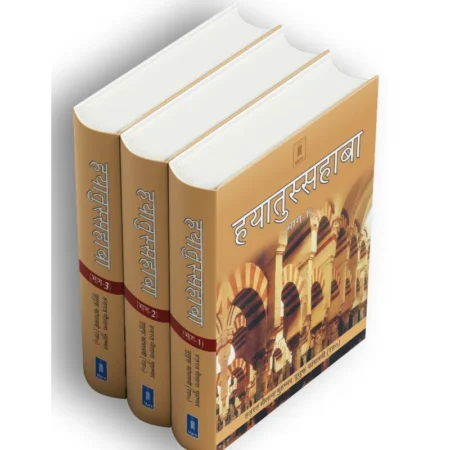
- Hayatus Sahaba Part 1,2&3 Hazrat Maulana Muhammad Yusuf Kandhalvi (Idara) Hindi
Overall Explanation and Themes
Taken together, the three parts of Hayatus Sahaba deliver timeless lessons:
- Faith and Conviction: The Sahaba’s faith was so strong that no torture, poverty, or danger could shake it.
- Love for the Prophet ﷺ: Their lives revolved around his guidance.
- Sacrifice and Simplicity: They abandoned worldly pleasures for the sake of Islam.
- Worship and Reliance on Allah: Their spiritual connection was the foundation of their strength.
- Global Responsibility: They considered spreading Islam a personal duty, not a communal option.
- Character and Justice: Their honesty and compassion won the hearts of nations.
1 in stock
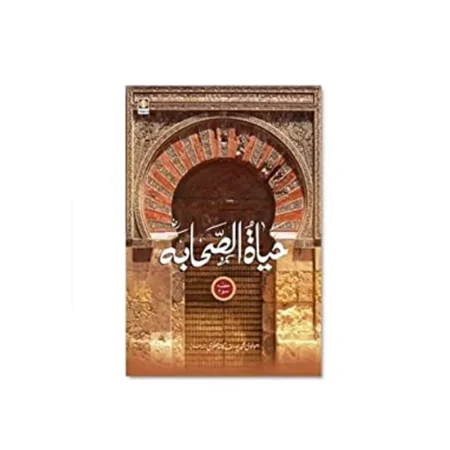
- Hayatus Sahaba Part -3 Hazrat Maulana Muhammad Yusuf Kandhalvi Idara (Urdu)
Conclusion
Hayatus Sahaba Part 3 by Hazrat Maulana Muhammad Yusuf Kandhalvi (RA) completes the journey of the Sahaba’s lives by showing how they carried Islam to the world.
- It records their dawah efforts, their bravery in jihad, their sacrifices, and their role as just and compassionate leaders.
This volume is not just a history of expansion; it is a blueprint for Muslim life and responsibility. It teaches that:
- Islam is not private—it is a universal mission.
- Sacrifice and struggle are necessary for spreading truth.
- Justice, honesty, and compassion are the foundation of Islamic influence.
- Ordinary people, with extraordinary faith, can change the course of history.
1 in stock

- Tarikh-E-Islam Akbar Shah Khan Najibabadi Al Hasanat (Hindi) 2 Volume Set
- Key Takeaways:
- Islam emerged in a challenging socio-political environment and transformed Arabian society through spiritual and ethical teachings.
- Prophet Muhammad’s (PBUH) leadership combined moral integrity, diplomacy, and strategic acumen.
- The Rashidun Caliphs laid the foundations of governance, justice, and expansion that shaped early Islamic history.
- Umayyad and Abbasid dynasties contributed to political consolidation and cultural flourishing.
- Islamic history provides timeless lessons in leadership, justice, morality, and social responsibility.
- Historical reflection is essential for understanding both the successes and pitfalls of past Muslim societies.
1 in stock
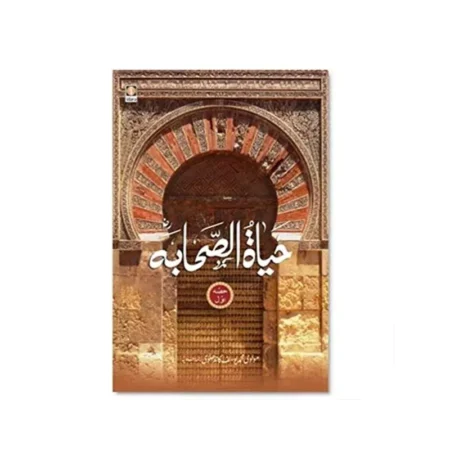
- Hayatus Sahaba Part -1 Hazrat Maulana Muhammad Yusuf Kandhalvi Idara (Urdu)
Overarching Themes Across All Three Volumes
- Faith and Conviction
The Sahaba were ordinary people transformed into extraordinary personalities because of their unshakable belief in Allah and the Prophet ﷺ. - Sacrifice and Struggle
They gave up wealth, family ties, and even their lives for Islam. Their sacrifices laid the foundation of the global Muslim Ummah. - Worship and Spirituality
Their strength came from constant connection with Allah through salah, Qur’an, and dhikr. - Simplicity and Humility
Despite wealth or authority, they lived simply and avoided arrogance. - Dawah and Responsibility
They understood Islam as a global message and considered it their duty to spread it everywhere. - Justice and Character
Their honesty, compassion, and fairness won people’s hearts more than any sword or wealth.
- Faith and Conviction
3 in stock
Reviews
There are no reviews yet.