
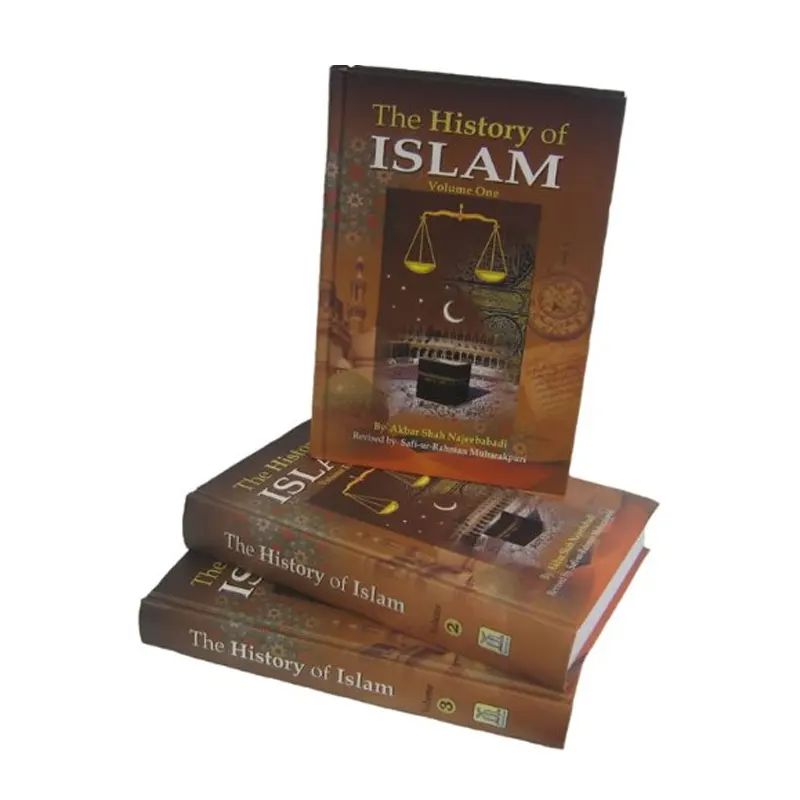
The History Of Islam 3 Vol.Set ( Akbar Shah Najeebabadi ) Darussalam English

₹1,200.00
- The History Of Islam 3 Vol.Set ( Akbar Shah Najeebabadi ) Darussalam English
- Educational Value
- “The History of Islam” (3 Volumes) is highly valuable for:
- Comprehensive Historical Knowledge:
- Provides a complete overview of Islamic history from the Prophet to modern times.
- Cultural and Intellectual Literacy:
- Explains Islamic contributions in arts, science, philosophy, and education.
- Leadership Studies:
- Offers examples of governance, strategy, and ethical leadership.
- Research Reference:
- Serves as a scholarly source for students, academics, and historians.
- Ethical and Moral Education:
- Encourages understanding of justice, responsibility, and moral governance in historical contexts.
Out of stock
The History Of Islam 3 Vol.Set ( Akbar Shah Najeebabadi ) Darussalam English
Book Overview
“The History of Islam” (3 Volumes) by Akbar Shah Najeebabadi is a comprehensive English-language historical work that chronicles the entire span of Islamic history, from the birth of Prophet Muhammad (PBUH) to the later centuries of Islamic civilization. This multi-volume set is recognized for its scholarly depth, chronological accuracy, and accessibility to both students and general readers.
The work provides a detailed narrative of political, social, cultural, and religious developments, covering not only major rulers and empires but also the lives of scholars, saints, and influential personalities who shaped Islamic civilization. Najeebabadi’s approach combines chronological narrative with analysis, making it both informative and insightful.
This English edition by Darussalam makes this classic work accessible to international audiences, bridging Urdu scholarship with a wider readership.
Author Background
Akbar Shah Najeebabadi (1875–1967) was a renowned historian, scholar, and writer known for his contributions to documenting Islamic history in Urdu and English. His work is notable for:
Comprehensive research using classical Islamic sources, chronicles, and biographical accounts.
Accessible writing style, making complex historical events understandable.
Balanced approach, combining historical facts with contextual explanations.
Emphasis on both political and cultural history, highlighting societal development alongside governance.
His multi-volume work remains a classic reference for Islamic history students and scholars, valued for its thoroughness and clarity.
Content and Structure
The History of Islam is organized chronologically across three volumes, covering major events, rulers, and social developments. Its content can be divided into the following sections:
Volume 1: Early Islam and the Life of Prophet Muhammad (PBUH)
Pre-Islamic Arabia: Provides background on society, tribes, economy, and religion before Islam.
Prophet Muhammad’s Life: Detailed account of his birth, early life, revelations, mission, and struggles in Mecca and Medina.
Major Battles and Events: Covers Badr, Uhud, the Trench, and Treaty of Hudaybiyyah.
Socio-Religious Reforms: Highlights the establishment of Islamic laws, ethics, and community structures.
Migration to Medina: The significance of Hijrah and formation of the first Islamic state.
Volume 2: Caliphate and Expansion of Islam
Rightly Guided Caliphs (Rashidun): Covers Abu Bakr, Umar, Uthman, and Ali.
Expansion of Islamic territories into Persia, Levant, Egypt, and beyond.
Administration, governance, and consolidation of political authority.
Internal Conflicts and Civil Wars: Analysis of Ridda Wars, the Battle of Jamal, Siffin, and related events.
Umayyad Dynasty: Rise and rule, administrative reforms, challenges, and military campaigns.
Abbasid Caliphate: Political, cultural, and scientific developments; golden age of Islam.
Volume 3: Later Islamic History
Regional Islamic Empires: Includes Mamluk Sultanate, Delhi Sultanate, Ottoman Empire, and Mughal Empire.
Cultural and Intellectual Developments: Science, literature, art, architecture, and education under Islamic rulers.
Decline and Challenges: Factors leading to political fragmentation, colonial interventions, and socio-economic challenges.
Modern Interactions: Islam’s encounter with European powers, reforms, and revival movements.
Legacy: Emphasis on ethical, cultural, and intellectual contributions of Islamic civilization.
Themes and Key Lessons
Leadership and Governance:
The book examines the qualities of effective rulers, administrative structures, and justice.
Expansion and Consolidation:
Chronicles military campaigns, treaties, and strategic alliances that expanded Islamic influence.
Socio-Cultural Development:
Highlights contributions to education, literature, science, architecture, and arts.
Religious and Ethical Principles:
Demonstrates the role of Islamic principles in guiding society and governance.
Conflict and Resolution:
Shows how internal disputes, succession issues, and external threats shaped history.
Continuity and Change:
Emphasizes historical patterns of rise and decline, offering lessons for leadership and society.
Educational Value
“The History of Islam” (3 Volumes) is highly valuable for:
Comprehensive Historical Knowledge:
Provides a complete overview of Islamic history from the Prophet to modern times.
Cultural and Intellectual Literacy:
Explains Islamic contributions in arts, science, philosophy, and education.
Leadership Studies:
Offers examples of governance, strategy, and ethical leadership.
Research Reference:
Serves as a scholarly source for students, academics, and historians.
Ethical and Moral Education:
Encourages understanding of justice, responsibility, and moral governance in historical contexts.
Features
Chronological Organization: Covers early Islam, caliphates, empires, and modern history.
Global Perspective: Discusses interactions between Islamic civilization and other regions.
Profiles of Key Figures: Includes Prophet Muhammad (PBUH), caliphs, rulers, scholars, and reformers.
Analytical Approach: Explains causes, consequences, and historical significance of events.
Accessible Language: Written in English while maintaining scholarly rigor, making it readable for both students and general readers.
Practical Use
Academic Study:
Ideal for students of Islamic history, religious studies, and Middle Eastern studies.
Teaching Resource:
Useful in schools, colleges, and seminaries for structured historical learning.
Self-Study:
Enables readers to understand historical events, socio-political trends, and intellectual contributions.
Research Reference:
Provides chronological and analytical information for scholarly research.
Conclusion
“The History of Islam” (3 Volumes) by Akbar Shah Najeebabadi is a monumental work covering the breadth of Islamic history, including:
Life of Prophet Muhammad (PBUH) and early Islamic society
Rashidun Caliphs, Umayyad and Abbasid dynasties
Medieval Islamic empires, Delhi Sultanate, Mamluks, Ottomans, and Mughals
Cultural, intellectual, and religious contributions
Challenges, decline, and modern interactions with the world
The work emphasizes chronological clarity, analytical insight, and socio-cultural understanding, making it a valuable resource for students, scholars, and general readers.
By studying this set, readers gain:
Comprehensive knowledge of Islamic history
Insights into governance, leadership, and military strategy
Understanding of cultural, scientific, and intellectual achievements
Ethical and moral lessons from historical events
The History of Islam (3 Volumes) is an essential reference for understanding the development, achievements, and challenges of Islamic civilization, combining scholarly depth, educational clarity, and readability.
| Weight | 1000 g |
|---|---|
| Dimensions | 16 × 10 × 8 cm |
Only logged in customers who have purchased this product may leave a review.
Related Products

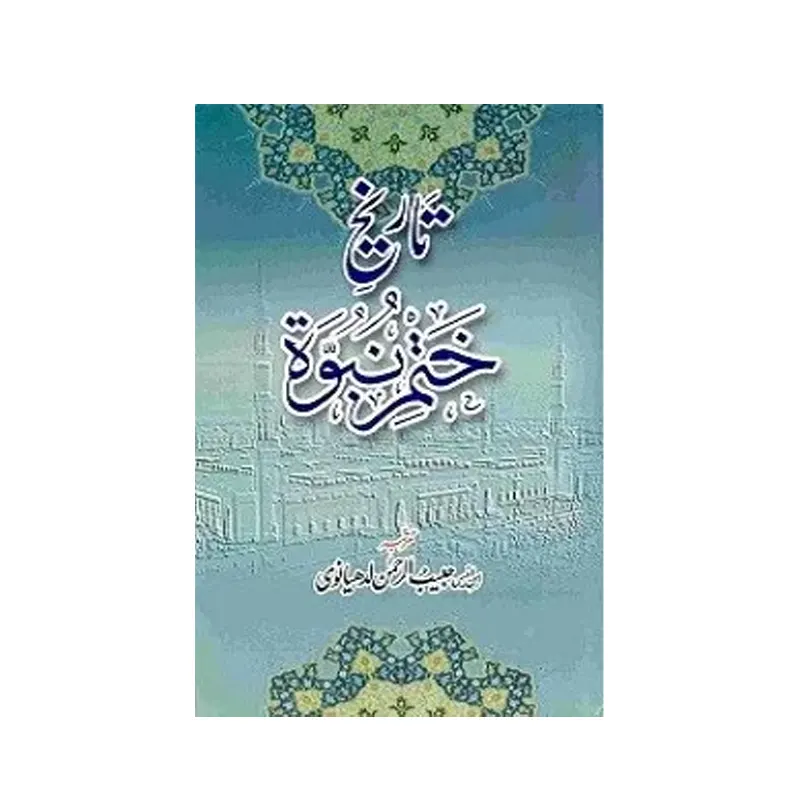
- Islami Tareekh Muhammad Abdul Hayi Al Hasanat (Urdu)
- Conclusion
- Islami Tareekh by Muhammad Abdul Hayi provides a comprehensive overview of Islamic history in a manner that is both educational and spiritually instructive. Key contributions of the book include:
- Chronological Clarity: Covers the life of Prophet Muhammad ﷺ, the Rashidun Caliphs, major dynasties, and regional expansions.
- Integration of Faith and History: Events are analyzed not only historically but also for moral and spiritual lessons.
- Cultural and Intellectual Perspective: Highlights achievements in science, philosophy, literature, and governance.
- Guidance for Modern Muslims: Encourages understanding of historical models of leadership, justice, and piety.
- The book is particularly valuable for Urdu-speaking readers seeking a thorough understanding of Islamic history, from its inception to the challenges faced by Muslim societies in later centuries.
- Key Takeaways:
- Islam emphasizes faith, justice, knowledge, and social welfare.
- Leadership must combine morality, courage, and service to the people.
- Intellectual and cultural achievements are integral to the strength of Muslim civilization.
- History offers lessons in resilience, ethics, and spiritual development.
1 in stock
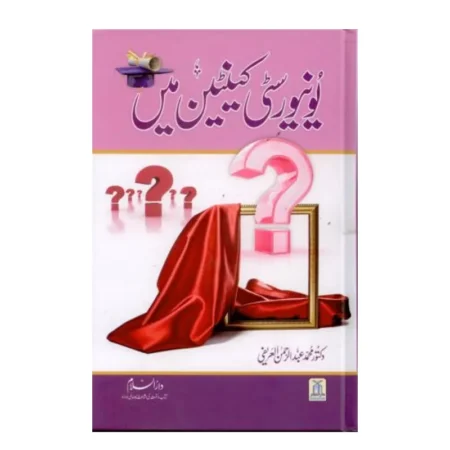
- Secondary Title:یونیورسٹی کینٹین میں
- Language:Urdu
- Binding:Hard Cover
- Color:Two Color
- No of pages:120
1 in stock
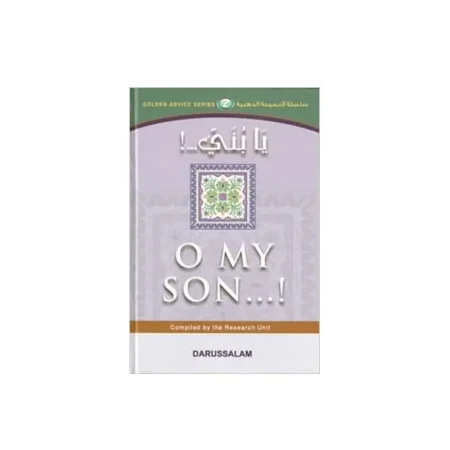
- Series: The Golden Series (Book 2)
- Hardcover: 111 pages
- Publisher: Dar-us-Salam (2007)
- Language: English
2 in stock

- Conclusion
- Mukhtasar Tareekh Mashaikh-e-Awadh by Dr. Razi Ahmad Kamal is a concise yet comprehensive study of the spiritual, cultural, and social contributions of Sufi saints in Awadh.
- The book highlights the spiritual guidance, ethical influence, and societal reform brought about by the Mashaikh.
- Sufi saints acted as moral exemplars, educators, and cultural patrons, shaping Awadh’s identity and leaving a lasting legacy.
- The work demonstrates how Islamic spirituality, when integrated with social and cultural engagement, creates a balanced and harmonious society.
- Key Takeaways:
- Sufi saints of Awadh were central to both spiritual guidance and societal welfare.
- Their teachings emphasized ethics, devotion, and service to humanity.
- Different Sufi orders (Chishti, Qadiri, Suhrawardi, Naqshbandi) contributed unique perspectives and practices.
- Saints influenced governance, culture, education, and interfaith harmony.
- The legacy of Awadh’s Mashaikh continues to inspire spirituality, literature, and cultural identity in the region.
2 in stock
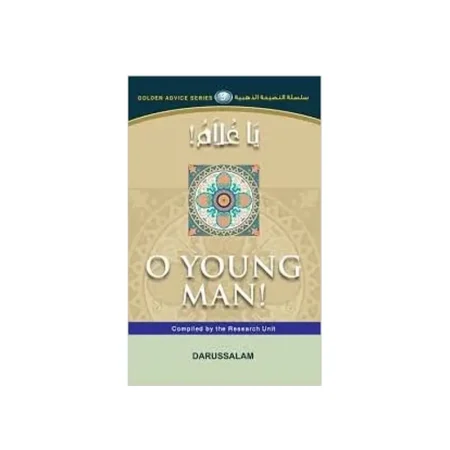
- Series: The Golden Series (Book 9)
- Hardcover: 142 pages
- Publisher: Dar-us-Salam (2007)
- Language: English
1 in stock
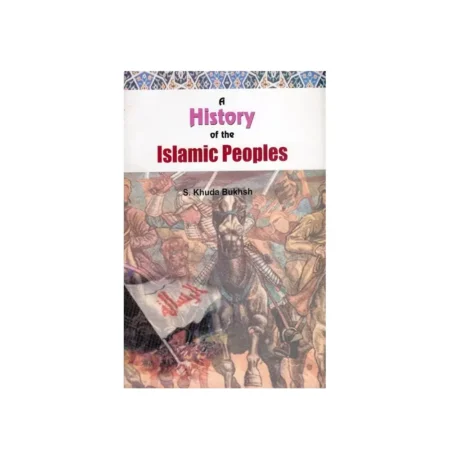
- A History Of The Islamic Peoples S Khuda Bukhsh (Adam Publishers) English
- The Scope of the Book
- The book covers the following broad areas:
- The Rise of Islam and the Prophet Muhammad (PBUH):
- The book begins with the Arabian background – a description of pre-Islamic Arabia, its tribal structure, culture, social conditions, and religious practices.
- It then moves to the life of Prophet Muhammad (peace be upon him), his mission, the revelation of the Qur’an, the struggles in Makkah, migration to Madinah, and the establishment of the first Islamic state.
- The author emphasizes how Islam brought moral, social, and spiritual reforms to a region deeply divided by tribalism and superstition.
- The Rashidun Caliphate (632–661 CE):
- Khuda Bukhsh describes the leadership of the four rightly guided caliphs (Abu Bakr, Umar, Uthman, Ali).
- He highlights the rapid expansion of Islam beyond Arabia into Syria, Iraq, Egypt, and Persia.
- Important administrative and legal reforms introduced by Caliph Umar are explained.
- The internal conflicts, especially during the caliphate of Uthman and Ali, are presented in a balanced way.
- The Umayyad Caliphate (661–750 CE):
- The book outlines the transformation of the caliphate into a hereditary monarchy under Muawiyah.
- It explains the expansion into North Africa, Spain (Andalusia), and Central Asia.
- Khuda Bukhsh also discusses the administrative centralization and cultural flowering of Damascus, the Umayyad capital.
2 in stock
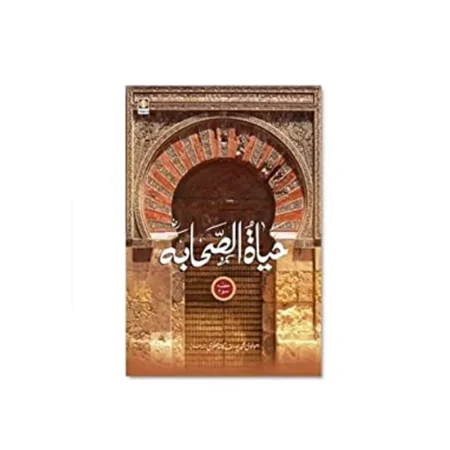
- Hayatus Sahaba Part -3 Hazrat Maulana Muhammad Yusuf Kandhalvi Idara (Urdu)
Conclusion
Hayatus Sahaba Part 3 by Hazrat Maulana Muhammad Yusuf Kandhalvi (RA) completes the journey of the Sahaba’s lives by showing how they carried Islam to the world.
- It records their dawah efforts, their bravery in jihad, their sacrifices, and their role as just and compassionate leaders.
This volume is not just a history of expansion; it is a blueprint for Muslim life and responsibility. It teaches that:
- Islam is not private—it is a universal mission.
- Sacrifice and struggle are necessary for spreading truth.
- Justice, honesty, and compassion are the foundation of Islamic influence.
- Ordinary people, with extraordinary faith, can change the course of history.
1 in stock
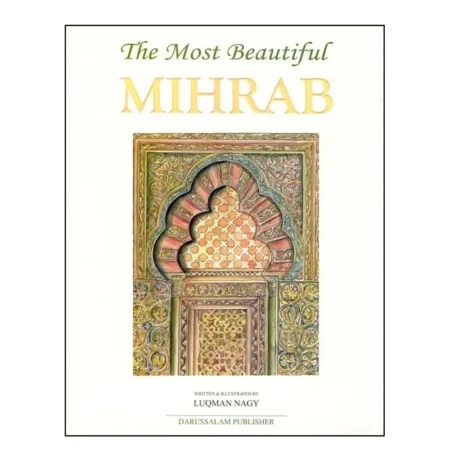
- The Most Beautiful Mihrab Luqman Nagy Darussalam (English)
1 in stock
2 in stock
- Series: The Golden Series (Book 6)
- Hardcover: 103 pages
- Publisher: Dar-us-Salam (2007)
- Language: English
1 in stock

- Key Themes in the Quran (Applicable to this Edition)
- Although this edition focuses on text presentation, it contains the entire Quran, covering all themes of Islamic guidance:
- Tawheed (Oneness of Allah)
- Repeated emphasis on Allah’s oneness, power, knowledge, and mercy.
- Prophethood (Risalah)
- Stories of prophets and the final message of Prophet Muhammad (PBUH).
- Day of Judgment (Akhirah)
- Moral accountability, rewards for righteousness, and consequences of sin.
- Ethics and Morality
- Guidance on honesty, patience, charity, forgiveness, humility, and social justice.
- Worship and Obligations
- Instructions on prayer (Salah), fasting (Sawm), Zakat, Hajj, and daily conduct.
- Stories of Nations and Lessons
- Narratives from past nations serve as moral lessons, emphasizing obedience to Allah and consequences of injustice.
1 in stock

- Series: The Golden Series (Book 5)
- Hardcover: 88 pages
- Publisher: Dar-us-Salam (2007)
- Language: English
3 in stock
Reviews
There are no reviews yet.