

Rules Of Zakat, The
₹35.00
Conclusion:
The Rules of Zakat provides a complete framework for fulfilling this vital Islamic duty. Key points include:
- Zakat is a mandatory act of worship that purifies wealth and benefits society.
- Only Muslims whose wealth exceeds Nisab and is held for one lunar year are obligated.
- Zakat applies to various forms of wealth, including cash, gold, silver, business goods, crops, and livestock.
- Correct calculation and timely payment are essential, with clear rates for each type of wealth.
- There are eight Quranic categories of recipients, ensuring that Zakat serves its social and ethical purpose.
- Zakat promotes spiritual growth, economic justice, and social solidarity, linking faith with practical action.
Out of stock
Rules Of Zakat, The
Overview of Zakat:
Zakat is one of the Five Pillars of Islam, alongside Shahada (faith), Salah (prayer), Sawm (fasting), and Hajj (pilgrimage). It is a mandatory act of charity aimed at purifying one’s wealth and supporting the less fortunate. Unlike voluntary charity (Sadaqah), Zakat has fixed rules regarding eligibility, types of wealth, rates, and recipients. The term “Zakat” literally means purification and growth, symbolizing both spiritual cleansing and economic redistribution.
The book “The Rules of Zakat” provides a comprehensive guide for Muslims on how to fulfill this religious obligation correctly. It combines Quranic injunctions, Hadith references, and fiqh rulings to clarify who must pay Zakat, how it is calculated, and who may receive it.
Types of Zakat:
Zakat al-Mal (Wealth):
This refers to Zakat on accumulated wealth, including money, gold, silver, business goods, agricultural produce, and livestock.
Zakat is typically 2.5% of total qualifying wealth held for one lunar year (hawl).
The purpose is to purify wealth from greed and selfishness, reminding the believer that everything belongs ultimately to Allah.
Zakat al-Fitr (Fitrana):
This is a mandatory charity given at the end of Ramadan, before Eid al-Fitr prayer.
Its amount is generally one sa‘ (approx. 2.5–3 kg) of staple food, such as dates, wheat, barley, or rice, or its monetary equivalent.
It ensures that even the poor can participate in Eid celebrations and also serves as a means of spiritual purification for the fasting person.
Eligibility to Pay Zakat:
Muslim Individuals:
Only Muslims are obligated to pay Zakat. Non-Muslims are exempt.
The obligation applies to both men and women who meet the minimum wealth threshold (Nisab).
Nisab Threshold:
Nisab is the minimum amount of wealth one must possess before being liable for Zakat.
It is equivalent to 85 grams of gold or 595 grams of silver (current market value may be used).
Wealth below this amount is exempt.
Ownership and Possession:
Zakat is obligatory on wealth that is fully owned and under the possession of the individual for one lunar year.
Debt, temporary wealth, or items held for personal use (like one’s home, clothes, or tools) are generally exempt.
Types of Wealth Subject to Zakat:
Cash and Savings:
Money held in hand, bank accounts, or investments qualifies for Zakat if above Nisab.
Interest (riba) is generally not counted for Zakat purposes, as Islam prohibits interest.
Gold and Silver:
Both jewelry and coins are subject to Zakat if they exceed Nisab and are held for one lunar year.
Rate: 2.5% of the total value.
Business Goods and Trade Assets:
Stock-in-trade, merchandise, and commodities intended for sale are liable for Zakat.
Calculation includes cash, receivables, and inventory, minus debts owed.
Agricultural Produce:
Crops, fruits, and grains are subject to Zakat if they exceed a certain quantity.
Rate depends on irrigation method: 5% if artificially watered, 10% if naturally watered (rain).
Livestock:
Animals such as camels, cows, sheep, and goats have specific Nisab thresholds and rates.
Detailed rules specify how many animals are Zakatable and how to distribute the Zakat among them.
Calculation of Zakat:
Wealth Assessment:
Calculate total wealth, including cash, savings, gold, silver, business stock, and other Zakatable items.
Subtract any immediate debts and liabilities.
Application of Rate:
Zakat al-Mal: 2.5% of total qualifying wealth.
Agricultural produce: 5–10% depending on irrigation.
Livestock: Varies according to the number and type of animals.
Timing of Payment:
Zakat is due once the lunar year has passed on qualifying wealth.
Early payment is allowed, but delaying without valid reason is discouraged.
Recipients of Zakat (Asnaf):
The Quran specifies eight categories of recipients (Surah At-Tawbah, 9:60):
Al-Fuqara (The Poor): Those without sufficient means to meet basic needs.
Al-Masakin (The Needy): People with minimal wealth but below the poverty line.
Amil Zakat (Zakat Collectors): Individuals appointed to collect and distribute Zakat.
Mu’allafatul Quloob (New Converts or Those Whose Hearts are to be Reconciled): To strengthen faith and harmony in the community.
Riqab (Slaves/Those in Bondage): To help free captives or those in debt slavery.
Gharimin (Debtors): Individuals in debt due to unavoidable circumstances.
Fi Sabilillah (In the Cause of Allah): Includes charity for education, religious propagation, and jihad in the broad sense.
Ibnus-Sabil (Wayfarers/Travelers): People stranded or traveling without means.
Zakat must be distributed fairly among eligible recipients to fulfill its religious and social purpose.
Importance of Zakat:
Spiritual Purification:
Paying Zakat purifies wealth from greed and selfishness.
It serves as a reminder that material possessions are entrusted by Allah and must be shared responsibly.
Economic Justice:
Zakat reduces wealth inequality by supporting the poor and marginalized.
It fosters social solidarity, compassion, and mutual support within the community.
Divine Reward:
The Quran emphasizes that Zakat strengthens faith and brings spiritual reward:
“Those who establish prayer and give Zakat will have their reward with their Lord…” (Quran 2:277)
Community Development:
Regular distribution of Zakat funds helps improve education, healthcare, and social welfare for vulnerable groups.
Common Misconceptions:
Zakat is Optional:
Zakat is obligatory for eligible Muslims. Voluntary charity (Sadaqah) is additional, but cannot replace Zakat.
Only Money is Zakatable:
Zakat applies to various forms of wealth, not just cash.
Family Members Can Be Recipients:
Immediate family members who are financially dependent are not eligible, as they are already supported through one’s household maintenance.
Conclusion:
The Rules of Zakat provides a complete framework for fulfilling this vital Islamic duty. Key points include:
Zakat is a mandatory act of worship that purifies wealth and benefits society.
Only Muslims whose wealth exceeds Nisab and is held for one lunar year are obligated.
Zakat applies to various forms of wealth, including cash, gold, silver, business goods, crops, and livestock.
Correct calculation and timely payment are essential, with clear rates for each type of wealth.
There are eight Quranic categories of recipients, ensuring that Zakat serves its social and ethical purpose.
Zakat promotes spiritual growth, economic justice, and social solidarity, linking faith with practical action.
In summary, Zakat is not merely financial; it is a spiritual, social, and ethical obligation. It teaches generosity, responsibility, and empathy, reminding Muslims that wealth is a trust from Allah, to be shared with those in need.
Only logged in customers who have purchased this product may leave a review.
Related Products

1 in stock

- Organization: Keeps your lipsticks neatly arranged and prevents clutter.
- Visibility: Clear design allows you to see all your lipsticks easily.
- Space-Efficient: Compact size saves space on your vanity or dresser.
- Stylish: Adds a modern touch to your makeup storage area.
1 in stock

- Brand- Hlr Star
- Name- Eyeshadow
3 in stock

- C.B.S.E. Arabic Grammar Amanulla Vadakkangara (Goodword) English/Arabic
- Educational and Cognitive Impact
- Cognitive Development:
- Enhances logical thinking, memory, and analytical skills through grammar exercises.
- Linguistic Competence:
- Students develop proficiency in reading, writing, and sentence construction.
- Cultural Awareness:
- Exposure to Arabic culture, expressions, and Islamic phrases enriches cultural literacy.
- Exam Preparation:
- Exercises and structured learning help students perform well in CBSE assessments.
- Confidence Building:
- Progressive learning fosters fluency, comprehension, and the ability to construct meaningful sentences.
2 in stock

- Tasty Chocolate
- Package Contents: 1 Chocolate Box
- Perfect Gift
4 in stock
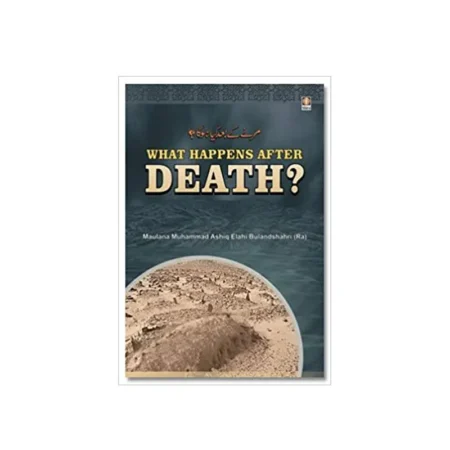
- What Happens After Death? Maulana Muhammad Ashiq Elahi Bulandshahri Idara (English)
1 in stock

- A rich fragrance starting with hints of pink pepper, cardamom, saffron and nutmeg
- The heart turns strong and masculine with notes of geranium and myrrh leading to a trail of precious oud, patchouli, leather and incense
- Long lasting fragrance
- Contains Eau De Toilette, body wash and deodorant for men
24 in stock

Emaan Tracing Quran
Benefits of Tracing the Qur’an
Strengthens Connection with the Qur’an
Enhances Focus and Contemplation (Tadabbur)
Improves Arabic Writing and Recognition

- The Guide Book For Prayer ( Idara ) English / Arabic
7 in stock
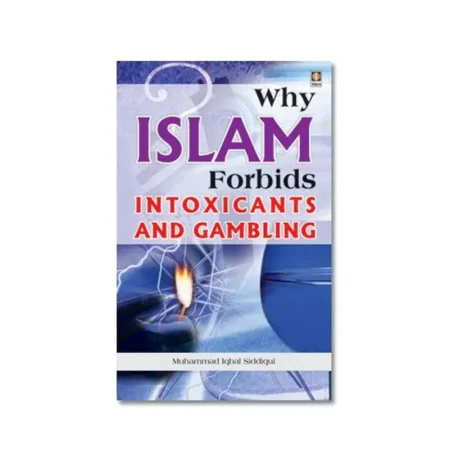
- Why Islam Forbids Intoxicants And Gambling Muhammad Iqbal Siddiqui Idara (English)
2 in stock

- Enriched With Extracts Of Nut Grass That Sooth, & Moisturize
- Turmeric That Protect The Skin Due To Its Antiseptic Activities, Cucumber Sooth, Cleanse And Refresh, And Oil Of Coconut Nourishes, And Moisturizes Skin
- Indications: Soap For Regular Use In Individuals With Normal & Oily Skin
2 in stock

‘- Premium quality chocolate
– Delicious tasting
– Finest ingredients
10 in stock
Reviews
There are no reviews yet.