

Salaat Is Your?S Correct ?
₹25.00
- Linguistic Explanation:
- Possessive Adjective Usage:
- “Your” must modify a noun, e.g., “your Salaat,” “your book,” “your prayer mat.”
- Ending a sentence with just “your” is incomplete.
- Verb Agreement:
- “Is” requires a predicate: “is your Salaat ready?” or “is your Salaat complete?”
- Questions often need auxiliary verbs for clarity: “Do you pray?” or “Have you prayed?”
- Question Word Placement:
- English uses inversion in questions: “Is your Salaat ready?” (verb before subject)
- Without inversion or auxiliary verbs, the sentence becomes a fragment.
Out of stock
Salaat Is Your?S Correct ?
Overview and Context:
The phrase “Salaat Is Your?” appears to be intended to ask someone about their prayer (Salaat), but as it stands, it is grammatically incorrect in English. In English, a proper question about someone’s Salaat would require a subject-verb agreement and proper sentence structure.
Salaat (or Salah) in Islam refers to the five daily prayers prescribed as one of the Five Pillars of Islam. It is an obligatory act of worship, performed at specific times of the day, and is a direct means of communicating with Allah (God). Because of its spiritual and ritual importance, discussing Salaat in English or other languages requires clarity to maintain the intended meaning.
Grammatical Analysis of “Salaat Is Your?”
Sentence Structure in English:
English sentences generally follow the Subject + Verb + Object/Complement order.
In questions, auxiliary verbs or question words are needed for clarity.
Problems in the Phrase:
“Salaat” is the subject of the sentence.
“Is” is the verb (linking verb), usually used to connect a subject with a predicate.
“Your” is a possessive adjective, but here it lacks a noun, making the sentence incomplete.
Ending the sentence with a question mark does not fix the grammatical problem.
Correct Alternatives:
Depending on the intended meaning, the phrase could be corrected as:
“Is this your Salaat?” → Asking if a specific instance of prayer belongs to the person.
“Do you perform Salaat?” → Asking about someone’s practice of prayer.
“Have you offered your Salaat?” → Checking whether the person has completed a specific prayer.
“Is your Salaat complete?” → Asking if someone has finished the obligatory prayer.
Thus, the original phrase is not correct in English and needs restructuring to convey the intended question.
Islamic Context of Salaat:
To understand why phrasing matters, we need to consider the importance of Salaat in Islam:
Obligatory Nature:
Salaat is performed five times daily: Fajr (dawn), Dhuhr (midday), Asr (afternoon), Maghrib (sunset), and Isha (night).
Each prayer consists of a specific number of units (rak’ahs), recitations, and movements.
The correct performance of Salaat is essential for spiritual discipline and fulfilling religious duties.
Spiritual Purpose:
Salaat is a direct connection between a believer and Allah.
It encourages mindfulness, humility, gratitude, and moral accountability.
Asking someone about their Salaat (like “Do you pray?”) is often meant to remind them of their religious obligations and spiritual wellbeing.
Social Etiquette in Inquiry:
In Muslim societies, questions about Salaat are sometimes sensitive.
Proper phrasing in English or any language ensures respectful communication.
For example, asking “Have you offered your Salaat?” is more appropriate than using incomplete or broken phrases.
Why Language Precision Matters in Religious Contexts:
Maintaining Respect and Clarity:
Improper phrasing like “Salaat Is Your?” can confuse the listener or sound disrespectful unintentionally.
Clear questions ensure that the importance of Salaat is conveyed properly.
Educational Implications:
For non-Arabic speakers learning about Islam, understanding proper English phrasing helps avoid misunderstandings.
Accurate phrasing also aids in teaching Islamic concepts in schools, lectures, or informal discussions.
Spiritual Reflection:
Asking about Salaat is not only about grammar; it is also an opportunity for self-reflection.
Correct phrasing encourages sincere responses and engagement with the spiritual question, e.g., “Have you performed your prayer today?” prompts mindfulness rather than just a yes/no answer.
Practical Examples of Correct Usage:
Checking Daily Practice:
Incorrect: “Salaat Is Your?”
Correct: “Have you performed your Fajr prayer?”
Correct: “Did you pray today?”
Instructive Context (Teaching Children):
Incorrect: “Salaat Is Your?”
Correct: “Remember to offer your Salaat on time.”
Correct: “It is important to complete your five daily prayers.”
General Inquiry:
Incorrect: “Salaat Is Your?”
Correct: “Do you regularly perform Salaat?”
Correct: “Is your Salaat complete for today?”
Linguistic Explanation:
Possessive Adjective Usage:
“Your” must modify a noun, e.g., “your Salaat,” “your book,” “your prayer mat.”
Ending a sentence with just “your” is incomplete.
Verb Agreement:
“Is” requires a predicate: “is your Salaat ready?” or “is your Salaat complete?”
Questions often need auxiliary verbs for clarity: “Do you pray?” or “Have you prayed?”
Question Word Placement:
English uses inversion in questions: “Is your Salaat ready?” (verb before subject)
Without inversion or auxiliary verbs, the sentence becomes a fragment.
Conclusion:
The phrase “Salaat Is Your?” is grammatically incorrect in English.
Correct alternatives depend on the intended meaning, such as:
“Is this your Salaat?”
“Do you perform Salaat?”
“Have you offered your Salaat?”
Understanding proper phrasing is especially important in Islamic contexts to convey respect, clarity, and spiritual significance.
Beyond grammar, asking about Salaat serves as a reminder of religious duty, spiritual reflection, and moral mindfulness.
Proper phrasing in English ensures that the question is respectful, meaningful, and clearly understood by the listener.
Only logged in customers who have purchased this product may leave a review.
Related Products

- Madinah Arabic Reader Book 2 Dr.V.Abdur Rahim (Goodword) Arabic/English
3 in stock
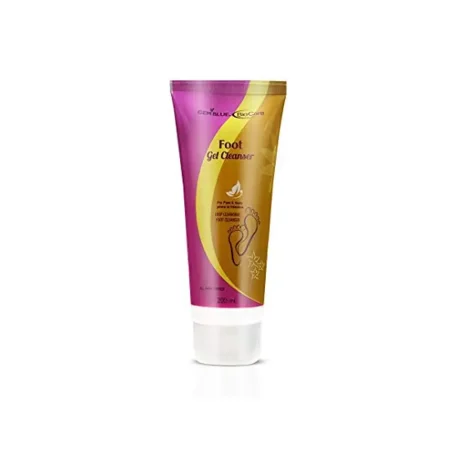
- 100% Authentic & Original Products
- 100% Organic Products
- Suitable for All Skin Types
29 in stock

- Hardcover
- Publisher: idara impex (2013)
- Language: English
1 in stock
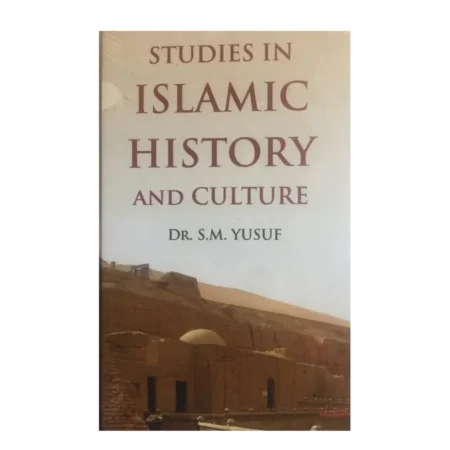
- Studies In Islamic History And Culture Dr S M Yusuf (Adam) English
2 in stock

1 in stock
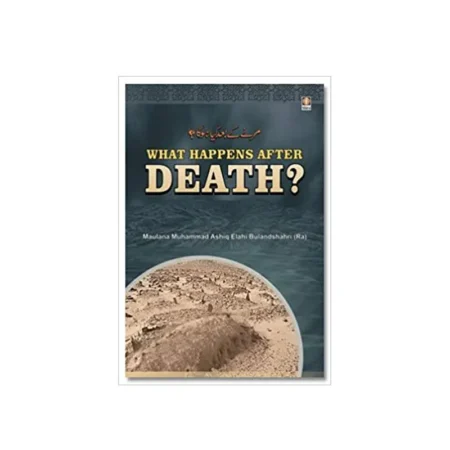
- What Happens After Death? Maulana Muhammad Ashiq Elahi Bulandshahri Idara (English)
1 in stock

- Uswai Rasool-E-Akram Dr. Muhammad Abdul Hai Idara (Urdu)
1 in stock
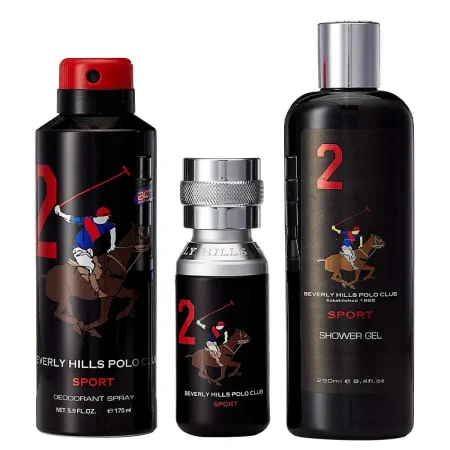
- A rich fragrance starting with hints of pink pepper, cardamom, saffron and nutmeg
- The heart turns strong and masculine with notes of geranium and myrrh leading to a trail of precious oud, patchouli, leather and incense
- Long lasting fragrance
- Contains Eau De Toilette, body wash and deodorant for men
24 in stock

Conclusion:
- Religious Significance: Names reflect faith, moral values, and connection to Allah.
- Moral and Social Implications: Names influence behavior, perception, and social respect.
- Practical Guidance: Includes rules for naming, changing names, and gender-specific considerations.
- Extensive Name Lists: Provides examples with meanings, making it a practical reference.
- Cultural and Ethical Awareness: Encourages maintaining Islamic identity while considering cultural context.
1 in stock

- Let?S Speak Arabic S.A. Rahman Goodword (English/Arabic)
1 in stock

Educational and Intellectual Impact
Europe Speaks Arabic has significant educational value:
- Historical awareness: Introduces students and general readers to lesser-known historical facts about European-Arabic intellectual exchange.
- Cultural literacy: Encourages respect for Arabic civilization’s contributions to modern knowledge.
- Language appreciation: Shows the importance of Arabic as a medium of scientific and philosophical thought.
- Interdisciplinary learning: Combines history, philosophy, literature, and science, making it a holistic educational resource.
- Critical thinking: Encourages readers to re-evaluate historical narratives and recognize the interconnectedness of civilizations.
2 in stock

- Tasty Chocolate
- Package Contents: 1 Chocolate Box
- Perfect Gift
4 in stock
Reviews
There are no reviews yet.