

Prophet’S Concept Of War, The
₹125.00
Key Takeaways:
- War is Defensive, Not Aggressive: The Prophet engaged in battle only to protect the community or uphold justice.
- Ethical Guidelines Are Paramount: Civilians, non-combatants, property, and the environment must be respected.
- Spiritual Dimension: Warriors are accountable to God, and intention matters.
- Strategic Prudence: Planning, consultation, and minimizing casualties were central.
- Peace as Priority: Negotiation and treaties are preferred over conflict when possible.
- Humanitarian Conduct: Treatment of prisoners, mercy toward enemies, and ethical behavior were mandatory.
Out of stock
Prophet’S Concept Of War
Overview of the Concept:
The concept of war in the teachings of Prophet Muhammad (peace be upon him) is not based on aggression or personal gain but on justice, defense, and the protection of the innocent. The Prophet’s approach to war was guided by divine principles, ethical conduct, and strategic wisdom. Islamic teachings emphasize that war is a last resort, and even in war, morality and humanity must be preserved.
The book “Prophet’s Concept of War” explores how the Prophet conducted military campaigns, the rules he established for his companions, and the ethical framework he enforced to ensure that warfare aligned with justice and divine guidance. The concept integrates spiritual, ethical, and practical dimensions, making it fundamentally different from mere political or territorial ambitions.
Foundational Principles of War in Prophetic Teachings:
Defense, Not Aggression:
The Prophet engaged in war primarily for defense of the Muslim community or to prevent oppression.
The Quran states:
“Fight in the way of Allah those who fight you but do not transgress. Indeed. Allah does not like transgressors.” (2:190)
Aggression for personal gain, revenge, or conquest without justification is prohibited.
Intention (Niyyah) Matters:
A war must have a righteous objective, such as defending faith, protecting lives, or stopping persecution.
Ethical warfare is considered an act of obedience to Allah when the intention is pure.
Last Resort Principle:
Efforts for peaceful resolution, negotiation, and diplomacy are preferred before resorting to war.
Treaties, truces, and calls for dialogue were frequently employed by the Prophet to avoid conflict.
Rules of Engagement in War:
Protection of Non-Combatants:
The Prophet explicitly forbade killing women, children, the elderly, and non-combatants.
Historical accounts show that even during sieges, civilians were not to be harmed.
No Destruction of Property or Environment:
Fruit trees, crops, and livestock not involved in war were protected.
Mosques, churches, and places of worship were never to be destroyed.
Humane Treatment of Prisoners:
Prisoners of war were to be treated with dignity, given food and shelter, and not tortured.
Options included release, exchange, or fair ransom, reflecting a spirit of justice and compassion.
Prohibition of Treachery and Betrayal:
Breaking truces or committing acts of deceit in warfare was strictly prohibited.
Honesty and trustworthiness were emphasized even toward enemies.
Strategic Aspects of Prophetic Warfare:
Planning and Consultation (Shura):
The Prophet involved his companions in strategic discussions, demonstrating consultative leadership.
Decisions were based on intelligence, terrain, resources, and enemy strength.
Minimizing Casualties:
Efforts were made to avoid unnecessary bloodshed.
Surprise attacks and ambushes were used only when justified to prevent greater harm.
Moral Influence and Psychological Warfare:
The Prophet emphasized demoralizing the enemy through ethical and strategic means rather than sheer brutality.
Messages of mercy and fairness often led opposing tribes to surrender without fighting.
Notable Examples from the Prophet’s Life:
Battle of Badr (624 CE):
The first major battle between Muslims and Quraysh, fought for defense and protection of the community.
Muslims were outnumbered, but careful planning, courage, and reliance on Allah led to victory.
Ethical conduct was maintained: prisoners were treated humanely, and non-combatants were unharmed.
Battle of Uhud (625 CE):
Highlighted the importance of discipline and obedience in military engagement.
The Prophet emphasized that even in the face of defeat, retreat and reorganization must be orderly and ethical.
Treaty of Hudaybiyyah (628 CE):
Demonstrated that peaceful resolution and negotiation were preferred over war.
The Prophet accepted temporary compromises to prevent bloodshed, showing that diplomacy can achieve strategic goals more effectively than battle.
Ethical Dimensions of Prophetic War:
Justice and Fairness:
Warfare was never an excuse for revenge, greed, or oppression.
Decisions in war were guided by divine law, justice, and moral responsibility.
Spiritual Accountability:
Warriors were reminded that they would be accountable to Allah for their actions in battle.
Excessive violence, cruelty, or dishonesty was considered sinful, even in wartime.
Compassion Toward Opponents:
Mercy and reconciliation were preferred whenever possible.
Historical accounts show that many enemies were integrated into the Muslim community peacefully after conflict.
Modern Implications:
Guidance for Contemporary Military Ethics:
Prophetic principles provide a framework for ethical warfare and human rights in modern conflicts.
The emphasis on minimizing civilian casualties, respecting treaties, and ethical conduct aligns with contemporary international laws of war.
Conflict Resolution:
The preference for negotiation and peaceful settlements teaches strategic patience and diplomacy.
The Prophet’s approach demonstrates that military engagement is not the ultimate goal but a means to establish justice and peace.
Integration of Spiritual and Ethical Principles:
Prophetic teachings show that war cannot be divorced from moral and spiritual accountability.
Leaders and combatants are reminded that justice, mercy, and righteousness must guide every decision.
Key Takeaways:
War is Defensive, Not Aggressive: The Prophet engaged in battle only to protect the community or uphold justice.
Ethical Guidelines Are Paramount: Civilians, non-combatants, property, and the environment must be respected.
Spiritual Dimension: Warriors are accountable to God, and intention matters.
Strategic Prudence: Planning, consultation, and minimizing casualties were central.
Peace as Priority: Negotiation and treaties are preferred over conflict when possible.
Humanitarian Conduct: Treatment of prisoners, mercy toward enemies, and ethical behavior were mandatory.
Conclusion:
The Prophet’s concept of war presents a balanced framework that combines justice, ethics, strategy, and spirituality. Unlike conventional warfare driven by greed or power, the Prophet’s approach emphasizes:
Defense and protection of the oppressed
Adherence to moral and divine law
Humane treatment of all, including enemies
Preference for peace, negotiation, and reconciliation
Spiritual accountability and ethical responsibility in combat
This concept demonstrates that even in the context of warfare, Islamic principles uphold human dignity, justice, and morality. The Prophet’s teachings continue to serve as a guide for ethical conduct, both in historical studies and in addressing contemporary conflicts where moral and humanitarian considerations are critical.
Only logged in customers who have purchased this product may leave a review.
Related Products

1 in stock

- A rich fragrance starting with hints of pink pepper, cardamom, saffron and nutmeg
- The heart turns strong and masculine with notes of geranium and myrrh leading to a trail of precious oud, patchouli, leather and incense
- Long lasting fragrance
- Contains Eau De Toilette, body wash and deodorant for men
24 in stock

Educational and Intellectual Impact
Europe Speaks Arabic has significant educational value:
- Historical awareness: Introduces students and general readers to lesser-known historical facts about European-Arabic intellectual exchange.
- Cultural literacy: Encourages respect for Arabic civilization’s contributions to modern knowledge.
- Language appreciation: Shows the importance of Arabic as a medium of scientific and philosophical thought.
- Interdisciplinary learning: Combines history, philosophy, literature, and science, making it a holistic educational resource.
- Critical thinking: Encourages readers to re-evaluate historical narratives and recognize the interconnectedness of civilizations.
2 in stock

Conclusion:
- Religious Significance: Names reflect faith, moral values, and connection to Allah.
- Moral and Social Implications: Names influence behavior, perception, and social respect.
- Practical Guidance: Includes rules for naming, changing names, and gender-specific considerations.
- Extensive Name Lists: Provides examples with meanings, making it a practical reference.
- Cultural and Ethical Awareness: Encourages maintaining Islamic identity while considering cultural context.
1 in stock

- 100% Authentic & Original Products
- 100% Organic Products
- Suitable for All Skin Types
29 in stock

2 in stock

- Enriched With Extracts Of Nut Grass That Sooth, & Moisturize
- Turmeric That Protect The Skin Due To Its Antiseptic Activities, Cucumber Sooth, Cleanse And Refresh, And Oil Of Coconut Nourishes, And Moisturizes Skin
- Indications: Soap For Regular Use In Individuals With Normal & Oily Skin
2 in stock
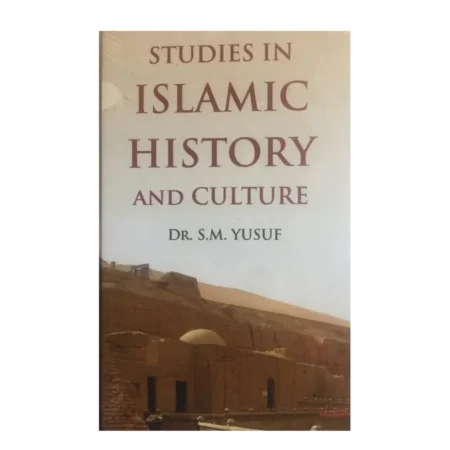
- Studies In Islamic History And Culture Dr S M Yusuf (Adam) English
2 in stock
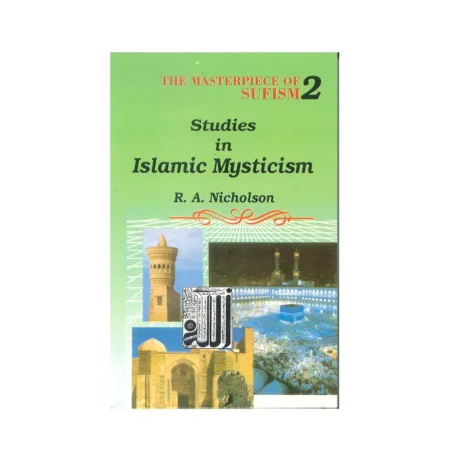
- Author: R.A. Nicholson
Publisher: Adam Publishers (India)
Pages: 282 Binding: Paperback
1 in stock
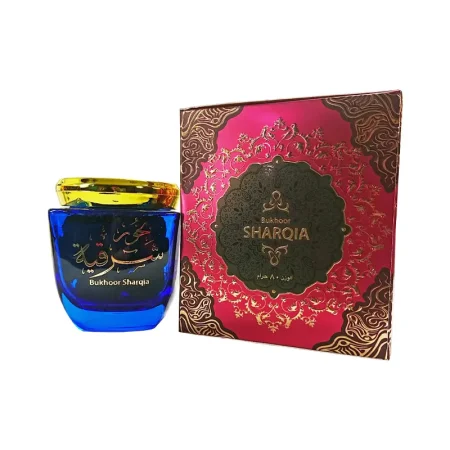
- Bukhoor Sharqia 80G
- Agarwood (Oud): This is the primary ingredient in high-quality Bakhoor. Agarwood is formed when a tree becomes infected with a specific mold, resulting in a dark, aromatic resin. It is highly valued for its rich, complex scent.
- Resins: Natural resins such as frankincense or myrrh are often added to Bakhoor to enhance its fragrance and create a deeper, lingering aroma.
- Essential Oils: Essential oils from flowers, herbs, and spices, such as rose, sandalwood, saffron, or patchouli, are blended into the Bakhoor to create a unique scent profile.
- Wood Chips: The base of Bakhoor often consists of soft or medium-density wood chips, which absorb the oils and help the incense burn slowly, releasing a steady fragrance.
- Hospitality: Offering guests a welcoming aroma is a traditional way to honor them. Homes are often perfumed with Bakhoor before special visitors arrive, making the environment feel warm and inviting.
- Celebrations and Ceremonies: Bakhoor is an integral part of weddings, Eid celebrations, and other festive occasions. Its presence enhances the atmosphere and adds a sense of luxury and tradition.
- Spiritual Significance: Burning Bakhoor is believed to purify spaces and create a sense of calm and serenity. It is often used during prayer times or meditation to enhance focus and mindfulness.
- Personal Grooming: Some people lightly burn Bakhoor near their clothing or hair before social events. This subtle fragrance adds a touch of elegance and refinement to personal presentation.
1 in stock

- Uswai Rasool-E-Akram Dr. Muhammad Abdul Hai Idara (Urdu)
1 in stock

Conclusion:
Al-Hizbul Azam: A Great Prayer Book of Islam by Sheikh Ali Bin Sultan is a comprehensive guide to Islamic supplications and spiritual exercises. Key takeaways include:
- Daily and Special Supplications: Structured prayers for morning, evening, travel, illness, and special occasions.
- Emphasis on Dhikr and Dua: Consistent remembrance and supplication strengthen faith, purify the heart, and bring tranquility.
- Spiritual and Practical Guidance: Offers remedies for anxiety, hardship, protection, and moral guidance.
- Accessibility: Arabic text with English transliteration and explanation ensures correct recitation and understanding.
- Ethical and Mindful Devotion: Encourages sincerity, reflection, and humility, making spiritual practices more meaningful.
5 in stock
Reviews
There are no reviews yet.