

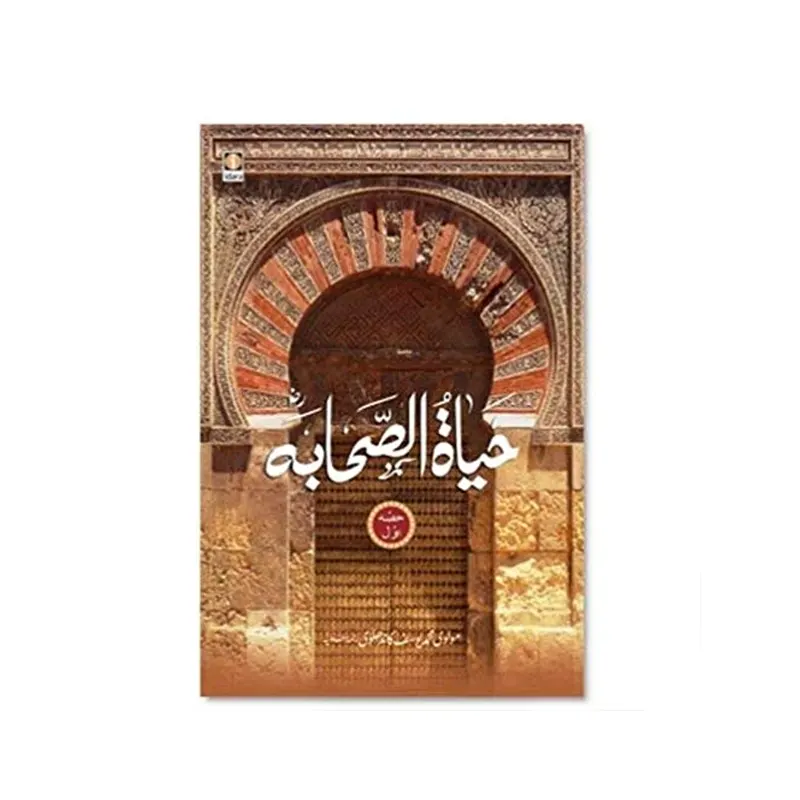
Hayat E Sahabiyaat Dastanai Ibratain Aur Nasihat Ikg Urdu

₹150.00
- Key Themes in the Book
- The book presents numerous stories of Sahabiyaat, each highlighting important lessons of faith, sacrifice, modesty, and courage. Some of the recurring themes include:
- 1. Sacrifice for Islam
- Women endured immense hardships for their faith. Sumayyah bint Khayyat (RA), the mother of Ammar ibn Yasir, was the first martyr in Islam. She was tortured by the Quraysh and ultimately killed because she refused to abandon her belief in Allah. Her story symbolizes patience and steadfastness.
- 2. Modesty and Piety
- The Sahabiyaat were role models of modesty. They observed hijab, maintained dignity in social interactions, and dedicated themselves to worship. Their modest lifestyle became a source of strength, not weakness.
- 3. Participation in Society
- The Sahabiyaat were not isolated from social responsibility. They contributed in the fields of trade, education, and healthcare. For instance, Rufaidah al-Aslamiyyah (RA) is known as one of the first female nurses in Islam, providing medical care to the wounded during battles.
- 4. Loyalty and Love for the Prophet ﷺ
- The Sahabiyaat displayed immense loyalty to the Prophet ﷺ. Umm Ayman (RA), who had served the Prophet ﷺ since childhood, continued to care for him and his family throughout his life. Her faithfulness was so great that the Prophet ﷺ used to refer to her as “my mother after my mother.”
Out of stock
Hayat E Sahabiyaat Dastanai Ibratain Aur Nasihat Ikg Urdu
Introduction
Hayat-e-Sahabiyaat is a remarkable work that highlights the lives of the noble women who lived during the time of Prophet Muhammad ﷺ and had the honor of being his Companions (Sahabiyaat). While history often emphasizes male figures, this book focuses on the women who played a critical role in supporting the Prophet ﷺ, spreading the message of Islam, and shaping the moral and spiritual foundation of the Muslim community.
The title itself—“Dastanai Ibratain Aur Nasihat”—means “Stories of Lessons and Advice.” These narratives are not only historical records but are meant to inspire modern readers, especially women, to strengthen their faith, modesty, and contribution to Islam.
The Role of Sahabiyaat in Early Islam
The women around the Prophet ﷺ were not passive bystanders. They were active participants in the growth of Islam, contributing in various ways:
As Mothers and Nurturers of Faith
Many Sahabiyaat nurtured future generations of Muslims by instilling Islamic values in their children. For example, Umm Sulaym (RA) taught her son Anas ibn Malik (RA), who later became a close servant of the Prophet ﷺ and a transmitter of thousands of Hadith.
As Supporters of Revelation
Khadijah bint Khuwaylid (RA), the first wife of the Prophet ﷺ, was not only the first Muslim woman but also his greatest supporter in the earliest days of revelation. She comforted the Prophet ﷺ when he received the first revelation and provided both emotional and financial support to the mission of Islam.
As Defenders of Islam
Several Sahabiyaat participated in battles directly or indirectly. Nusaybah bint Ka’ab (RA), famously known as Umm Ammarah, fought bravely in the Battle of Uhud and defended the Prophet ﷺ with her sword and shield when others retreated.
As Seekers and Teachers of Knowledge
Aisha bint Abu Bakr (RA), one of the most prominent wives of the Prophet ﷺ, became a leading scholar of Islam after his death. She narrated more than 2000 hadiths and was sought after by male and female companions alike for her deep knowledge of Qur’an, Hadith, and Fiqh (jurisprudence).
Key Themes in the Book
The book presents numerous stories of Sahabiyaat, each highlighting important lessons of faith, sacrifice, modesty, and courage. Some of the recurring themes include:
1. Sacrifice for Islam
Women endured immense hardships for their faith. Sumayyah bint Khayyat (RA), the mother of Ammar ibn Yasir, was the first martyr in Islam. She was tortured by the Quraysh and ultimately killed because she refused to abandon her belief in Allah. Her story symbolizes patience and steadfastness.
2. Modesty and Piety
The Sahabiyaat were role models of modesty. They observed hijab, maintained dignity in social interactions, and dedicated themselves to worship. Their modest lifestyle became a source of strength, not weakness.
3. Participation in Society
The Sahabiyaat were not isolated from social responsibility. They contributed in the fields of trade, education, and healthcare. For instance, Rufaidah al-Aslamiyyah (RA) is known as one of the first female nurses in Islam, providing medical care to the wounded during battles.
4. Loyalty and Love for the Prophet ﷺ
The Sahabiyaat displayed immense loyalty to the Prophet ﷺ. Umm Ayman (RA), who had served the Prophet ﷺ since childhood, continued to care for him and his family throughout his life. Her faithfulness was so great that the Prophet ﷺ used to refer to her as “my mother after my mother.”
Moral Lessons (Ibratain) from Their Lives
The stories in Hayat-e-Sahabiyaat are filled with timeless lessons:
Strength in Faith: The Sahabiyaat remind us that true strength comes not from physical power but from unwavering faith.
Patience in Trials: Their endurance during persecution, poverty, and war teaches patience and reliance on Allah.
Sacrifice for Truth: They were ready to give up wealth, comfort, and even their lives for Islam.
Balancing Roles: They managed household duties while also contributing to community welfare and Islamic dawah.
Courage with Modesty: They proved that modesty and bravery are not contradictory but complementary.
Relevance for Modern Women
Though centuries have passed, the lives of the Sahabiyaat remain deeply relevant today:
Role Models for Muslim Women
In a world where women often struggle with identity and purpose, the Sahabiyaat provide examples of dignity, empowerment, and spirituality rooted in faith.
Balancing Career and Family
Just as the Sahabiyaat balanced their homes with public service, modern Muslim women can draw inspiration to contribute to society without compromising Islamic values.
Resilience in Challenges
The patience of women like Sumayyah (RA) and Khadijah (RA) inspires Muslim women to remain steadfast in personal and societal challenges.
Knowledge as Empowerment
The scholarly contributions of Aisha (RA) emphasize that seeking knowledge is a duty for every Muslim woman, not just men.
Why This Book Matters
Unlike general history books that mention women briefly, Hayat-e-Sahabiyaat dedicates itself entirely to their contributions. This focus is crucial because:
It restores balance by highlighting the equal importance of women in the early Islamic narrative.
It serves as a source of inspiration for Muslim women and men alike, teaching that Islam’s strength came from the combined sacrifices of both genders.
It provides practical advice and moral lessons, guiding readers in personal, family, and social life.
Conclusion
Hayat-e-Sahabiyaat: Dastanai Ibratain Aur Nasihat is more than a biography collection—it is a spiritual and moral guide. It revives the stories of the noble female Companions of the Prophet ﷺ, presenting them as role models for faith, courage, sacrifice, modesty, and service.
The book reminds us that:
Khadijah (RA) gave her wealth and comfort for Islam.
Sumayyah (RA) gave her life as the first martyr.
Aisha (RA) gave her knowledge and scholarship.
Nusaybah (RA) gave her bravery in the battlefield.
And countless other Sahabiyaat gave their loyalty, love, and service for Islam.
For modern readers, these stories are a timeless reminder that true dignity and empowerment for women lies in faith, character, and service to Allah’s cause. The book, therefore, is not just history—it is a living legacy of lessons (Ibratain) and advice (Nasihat) for every generation.
Only logged in customers who have purchased this product may leave a review.
Related Products
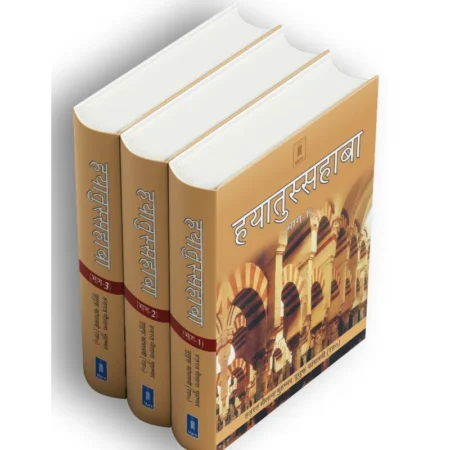
- Hayatus Sahaba Part 1,2&3 Hazrat Maulana Muhammad Yusuf Kandhalvi (Idara) Hindi
Overall Explanation and Themes
Taken together, the three parts of Hayatus Sahaba deliver timeless lessons:
- Faith and Conviction: The Sahaba’s faith was so strong that no torture, poverty, or danger could shake it.
- Love for the Prophet ﷺ: Their lives revolved around his guidance.
- Sacrifice and Simplicity: They abandoned worldly pleasures for the sake of Islam.
- Worship and Reliance on Allah: Their spiritual connection was the foundation of their strength.
- Global Responsibility: They considered spreading Islam a personal duty, not a communal option.
- Character and Justice: Their honesty and compassion won the hearts of nations.
1 in stock
- Hayatus Sahaba Part -3 Hazrat Maulana Muhammad Yusuf Kandhalvi Idara (Urdu)
Conclusion
Hayatus Sahaba Part 3 by Hazrat Maulana Muhammad Yusuf Kandhalvi (RA) completes the journey of the Sahaba’s lives by showing how they carried Islam to the world.
- It records their dawah efforts, their bravery in jihad, their sacrifices, and their role as just and compassionate leaders.
This volume is not just a history of expansion; it is a blueprint for Muslim life and responsibility. It teaches that:
- Islam is not private—it is a universal mission.
- Sacrifice and struggle are necessary for spreading truth.
- Justice, honesty, and compassion are the foundation of Islamic influence.
- Ordinary people, with extraordinary faith, can change the course of history.
1 in stock
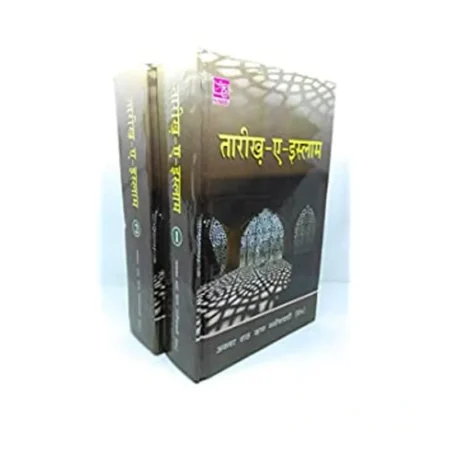
- Tarikh-E-Islam Akbar Shah Khan Najibabadi Al Hasanat (Hindi) 2 Volume Set
- Key Takeaways:
- Islam emerged in a challenging socio-political environment and transformed Arabian society through spiritual and ethical teachings.
- Prophet Muhammad’s (PBUH) leadership combined moral integrity, diplomacy, and strategic acumen.
- The Rashidun Caliphs laid the foundations of governance, justice, and expansion that shaped early Islamic history.
- Umayyad and Abbasid dynasties contributed to political consolidation and cultural flourishing.
- Islamic history provides timeless lessons in leadership, justice, morality, and social responsibility.
- Historical reflection is essential for understanding both the successes and pitfalls of past Muslim societies.
1 in stock
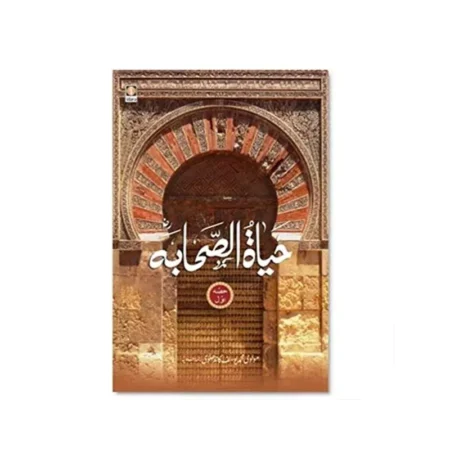
- Hayatus Sahaba Part -1 Hazrat Maulana Muhammad Yusuf Kandhalvi Idara (Urdu)
Overarching Themes Across All Three Volumes
- Faith and Conviction
The Sahaba were ordinary people transformed into extraordinary personalities because of their unshakable belief in Allah and the Prophet ﷺ. - Sacrifice and Struggle
They gave up wealth, family ties, and even their lives for Islam. Their sacrifices laid the foundation of the global Muslim Ummah. - Worship and Spirituality
Their strength came from constant connection with Allah through salah, Qur’an, and dhikr. - Simplicity and Humility
Despite wealth or authority, they lived simply and avoided arrogance. - Dawah and Responsibility
They understood Islam as a global message and considered it their duty to spread it everywhere. - Justice and Character
Their honesty, compassion, and fairness won people’s hearts more than any sword or wealth.
- Faith and Conviction
3 in stock
Reviews
There are no reviews yet.