

Hazrat Omar Farooq A Complete Biography Of The Second Caliph Of Islam Shah Moinuddin Nadvi Idara (English)


Original price was: ₹90.00.₹72.00Current price is: ₹72.00.
- Hazrat Omar Farooq A Complete Biography Of The Second Caliph Of Islam Shah Moinuddin Nadvi Idara (English)
- Justice: His reputation for fairness and impartiality was unmatched, making him a model for leaders and rulers.
- Humility: Despite immense power, Umar led a simple life, remaining approachable to the common people.
- Courage and Decisiveness: Both in military campaigns and governance, Umar demonstrated unwavering courage and firm decision-making.
- Piety and Devotion: Deeply committed to worship and ethical conduct, he balanced worldly responsibilities with spiritual devotion.
- Institutional Foundations: Established administrative and judicial systems that influenced subsequent Islamic governance.
- Expansion of Islam: Successfully led the Muslim community in territorial, social, and political consolidation.
- Moral and Spiritual Leadership: Exemplified courage, justice, humility, and piety, inspiring generations of Muslims.
- Social Welfare: Introduced initiatives benefiting the poor, orphans, and general populace, demonstrating Islam’s concern for societal well-being.
Out of stock
Hazrat Omar Farooq A Complete Biography Of The Second Caliph Of Islam Shah Moinuddin Nadvi Idara (English)
“Hazrat Omar Farooq: A Complete Biography of the Second Caliph of Islam” by Shah Moinuddin Nadvi is a comprehensive work detailing the life, character, and legacy of Hazrat Umar ibn al-Khattab (RA), the second Caliph of Islam. Renowned for his justice, courage, piety, and administrative acumen, Umar Farooq played a pivotal role in consolidating the Muslim community, expanding the Islamic state, and establishing governance and legal structures firmly rooted in Islamic principles. This biography provides an in-depth narrative of his early life, conversion to Islam, companionship with Prophet Muhammad (SAW), caliphate, challenges, and lasting contributions.
1. Early Life and Background
Hazrat Umar Farooq was born into the influential Banu Adi clan of the Quraysh in Makkah. Shah Moinuddin Nadvi highlights Umar’s early qualities: physical strength, sharp intellect, courage, and a strong sense of justice. Before embracing Islam, Umar was initially a formidable opponent of the new faith and actively resisted the Prophet Muhammad’s (SAW) message.
The biography emphasizes that Umar’s upbringing, combined with his natural qualities of decisiveness and moral fortitude, laid the foundation for his future role as a leader and reformer within the Islamic community.
2. Conversion to Islam
One of the most pivotal events in early Islamic history was Umar’s conversion. Shah Moinuddin Nadvi describes how Umar, after initially opposing Islam, was moved by the message of the Qur’an and the steadfastness of the early Muslims. Upon accepting Islam, Umar became a courageous advocate of the faith, publicly defending the Prophet Muhammad (SAW) and the Muslim community.
His conversion marked a turning point for Muslims in Makkah, providing both spiritual and social strength to the fledgling community. Umar’s immediate commitment and fearless approach illustrate the themes of sincerity, courage, and devotion central to Islamic faith.
3. Role During the Prophet’s Mission
Following his conversion, Umar became one of the closest companions of the Prophet Muhammad (SAW). The biography highlights his role in:
Supporting the Hijrah (migration to Madinah) and ensuring the safety of the Muslim community.
Participating in key battles, including Badr, Uhud, and Khandaq, where his leadership and valor inspired fellow Muslims.
Assisting in the establishment of social, political, and religious institutions in Madinah.
Umar’s courage, moral integrity, and administrative acumen made him an indispensable advisor and enforcer of justice during the Prophet’s mission.
4. Caliphate and Governance
Upon the death of Hazrat Abu Bakr (RA), Umar Farooq became the second Caliph (634–644 CE). Shah Moinuddin Nadvi provides a detailed account of his ten-year caliphate, marked by remarkable administrative, military, and social achievements.
Administrative Reforms: Umar established structured governance, including provincial administration, judiciary, and public treasury (Bayt al-Mal). His reforms ensured transparency, accountability, and efficiency in state affairs.
Expansion of the Islamic Empire: Umar’s leadership extended Muslim territories into Persia, Egypt, Syria, and other regions, creating a unified and just administration in conquered lands.
Judicial and Legal Systems: He formalized the judicial system, appointed judges, and emphasized impartiality, ensuring justice for Muslims and non-Muslims alike.
Welfare and Public Services: Umar implemented social welfare programs, including pensions for the needy, public health initiatives, infrastructure development, and the provision of basic services to all citizens.
His caliphate set a benchmark for justice, governance, and public service in Islamic history.
5. Personal Virtues and Character
Shah Moinuddin Nadvi emphasizes Umar Farooq’s exemplary personal qualities:
Justice: His reputation for fairness and impartiality was unmatched, making him a model for leaders and rulers.
Humility: Despite immense power, Umar led a simple life, remaining approachable to the common people.
Courage and Decisiveness: Both in military campaigns and governance, Umar demonstrated unwavering courage and firm decision-making.
Piety and Devotion: Deeply committed to worship and ethical conduct, he balanced worldly responsibilities with spiritual devotion.
Umar’s combination of moral integrity, courage, and spiritual awareness made him an extraordinary leader.
6. Challenges and Trials
Umar Farooq’s leadership was marked by significant challenges. Shah Moinuddin Nadvi discusses:
Internal dissent and political opposition
Managing newly conquered and diverse populations
Balancing administrative duties with ethical governance
Despite these difficulties, Umar maintained patience, sought consultation (shura), and upheld justice, ensuring the stability and prosperity of the Islamic state.
7. Legacy and Contributions
Umar Farooq’s legacy is profound and multifaceted:
Institutional Foundations: Established administrative and judicial systems that influenced subsequent Islamic governance.
Expansion of Islam: Successfully led the Muslim community in territorial, social, and political consolidation.
Moral and Spiritual Leadership: Exemplified courage, justice, humility, and piety, inspiring generations of Muslims.
Social Welfare: Introduced initiatives benefiting the poor, orphans, and general populace, demonstrating Islam’s concern for societal well-being.
8. Educational and Spiritual Significance
The biography is both a historical record and a source of moral guidance. Readers learn about early Islamic history and Umar’s role in shaping the Muslim community while drawing lessons in:
Courage and steadfastness in faith
Ethical governance and leadership
Humility, justice, and fairness
Spiritual devotion integrated with worldly responsibility
9. Style and Approach
Shah Moinuddin Nadvi combines historical accuracy with narrative clarity. Drawing from Qur’anic references, Hadith, and classical historical sources, the biography balances factual reporting with moral and spiritual insights, making it accessible and inspiring for both scholars and general readers.
Conclusion
“Hazrat Omar Farooq: A Complete Biography of the Second Caliph of Islam” presents Umar ibn al-Khattab (RA) as a timeless exemplar of courage, justice, humility, and piety. From his early opposition to Islam to his transformative leadership as Caliph, Umar’s life illustrates how unwavering faith, moral integrity, and ethical governance can shape communities and societies.
Shah Moinuddin Nadvi emphasizes Umar’s personal virtues, administrative reforms, territorial expansion, and social welfare initiatives, portraying him as a model of leadership grounded in Islamic principles. The biography provides historical insight, moral inspiration, and spiritual guidance, ensuring that Umar Farooq’s legacy continues to teach Muslims the values of justice, devotion, and righteous conduct.
Umar’s life remains a guiding example for leadership, personal character, and community responsibility, demonstrating that true success in life and governance comes from combining piety, ethical conduct, and service to humanity.
| Weight | 460 g |
|---|---|
| Dimensions | 16 × 10 × 8 cm |
Only logged in customers who have purchased this product may leave a review.
Related Products

- Hadsa-E-Karbala ka Pase Manzar – Urdu By: Prof. Maulana Mohsin Usmani Nadavi
1 in stock

- Hazrat Usman Ghani A Complete Biography Of The Third Caliph Of Islam Shah Moinuddin Nadvi Idara (English)
- 1. Early Life and Background
- 2. Conversion to Islam
- 3. Role During the Prophet’s Mission
- 4. Caliphate and Governance
- 5. Personal Virtues and Ethical Conduct
- 6. Challenges and Trials
- 7. Legacy and Contributions
- 8. Educational and Spiritual Significance
1 in stock

- Faza’Il-E-Ramazan (Virtues Of Ramadhan) Maulvi Muhammad Zakariyya Kandhlawi Idara (English)
4 in stock

- Hardcover
- Publisher: Idara Impex (2013)
- Language: Hindi
2 in stock

- Product Code ID 6693
- Condition New
- Binding Hard Bound
- Genre Fiqh
- publisher idara impex
- Publication Date 2017
- Language Hind
3 in stock

- Az-Zaujus Salih The Pious Husband Majlisul Ulama Of South Africa Idara (English)
2 in stock

- Asharah Mubash-Sharah Muhammad Iqbal Siddiqi Idara (English)
- Key Themes and Lessons
- 1. Faith and God-Consciousness (Taqwa)
- Belief in Allah is the foundation of all moral action.
- Taqwa entails awareness of Allah in thought, speech, and action, guiding believers toward ethical and responsible living.
- The book emphasizes that spiritual mindfulness leads to moral clarity, self-discipline, and inner peace.
- 2. Honesty and Truthfulness (Sidq)
- Truthfulness is central to Islamic ethics.
- The author highlights the importance of being honest in speech, business, and personal dealings.
- Deception and falsehood undermine trust, social cohesion, and spiritual integrity.
- 3. Patience and Perseverance (Sabr)
- Life is full of trials; patience is a key virtue.
- The book explains that endurance through hardship, maintaining moral standards, and resisting temptation are forms of spiritual strength.
- Patience is closely linked to reward in the Hereafter.
1 in stock

- Unknown Binding
- Publisher: Idara Impex; 1st edition (2012)
- Language: Hindi
5 in stock

- Imam Abu Hanifa Life And Works Allamah Shibli Nu’Man Sirat-I-Nu’Man Idara (English)
1 in stock

- By Maulavi Muhammad Zakariyya
Hardback 1038 Pages
5 in stock
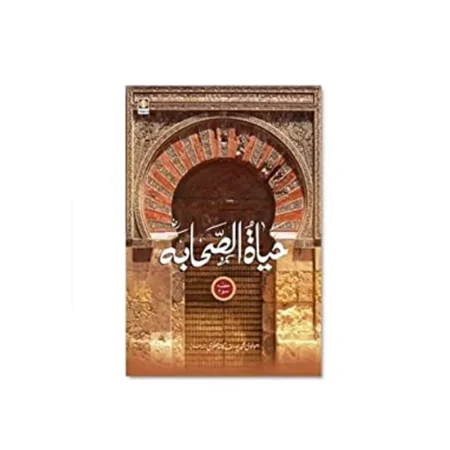
- Hayatus Sahaba Part -3 Hazrat Maulana Muhammad Yusuf Kandhalvi Idara (Urdu)
Conclusion
Hayatus Sahaba Part 3 by Hazrat Maulana Muhammad Yusuf Kandhalvi (RA) completes the journey of the Sahaba’s lives by showing how they carried Islam to the world.
- It records their dawah efforts, their bravery in jihad, their sacrifices, and their role as just and compassionate leaders.
This volume is not just a history of expansion; it is a blueprint for Muslim life and responsibility. It teaches that:
- Islam is not private—it is a universal mission.
- Sacrifice and struggle are necessary for spreading truth.
- Justice, honesty, and compassion are the foundation of Islamic influence.
- Ordinary people, with extraordinary faith, can change the course of history.
1 in stock
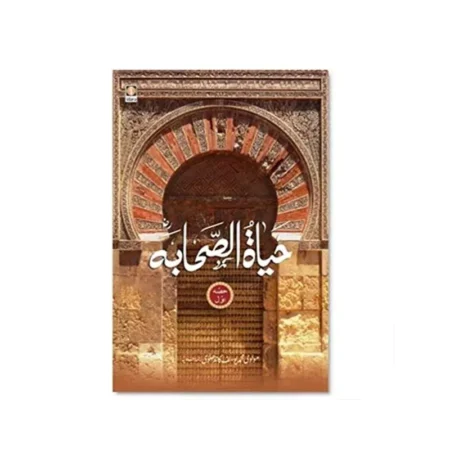
- Hayatus Sahaba Part -1 Hazrat Maulana Muhammad Yusuf Kandhalvi Idara (Urdu)
Overarching Themes Across All Three Volumes
- Faith and Conviction
The Sahaba were ordinary people transformed into extraordinary personalities because of their unshakable belief in Allah and the Prophet ﷺ. - Sacrifice and Struggle
They gave up wealth, family ties, and even their lives for Islam. Their sacrifices laid the foundation of the global Muslim Ummah. - Worship and Spirituality
Their strength came from constant connection with Allah through salah, Qur’an, and dhikr. - Simplicity and Humility
Despite wealth or authority, they lived simply and avoided arrogance. - Dawah and Responsibility
They understood Islam as a global message and considered it their duty to spread it everywhere. - Justice and Character
Their honesty, compassion, and fairness won people’s hearts more than any sword or wealth.
- Faith and Conviction
3 in stock
Reviews
There are no reviews yet.