
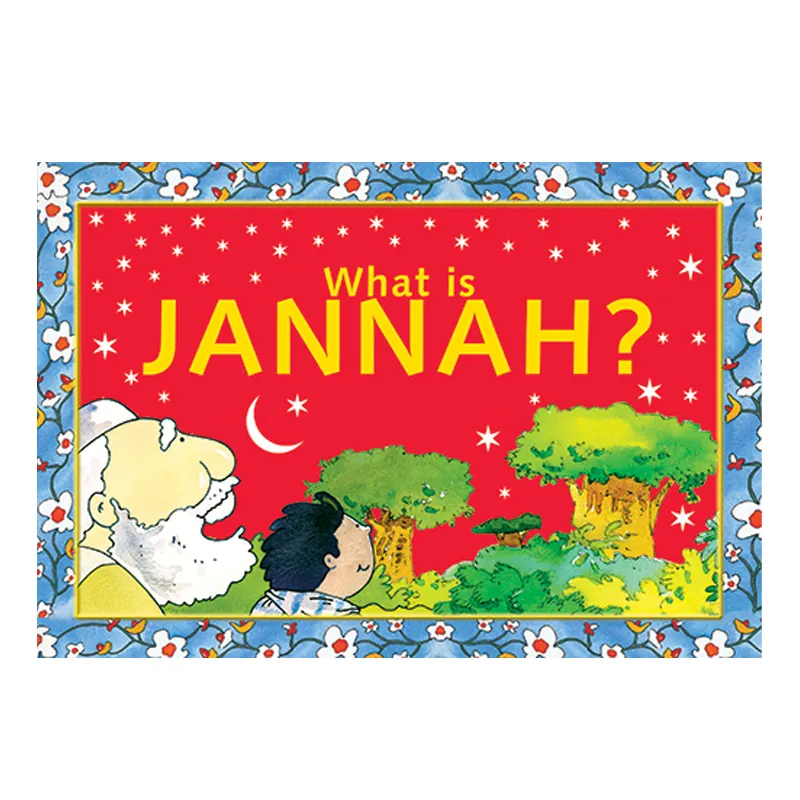
What Is Jannah? Salmah Umm Zainab (Goodword) English
Original price was: ₹95.00.₹73.00Current price is: ₹73.00.
- What Is Jannah? Salmah Umm Zainab (Goodword) English
- Understanding Jannah:
- Descriptions of Jannah:
- The Importance of Good Deeds:
- The Mercy of Allah:
- Comparison with Earthly Life:
- Storytelling and Illustrations:
What Is Jannah? Salmah Umm Zainab (Goodword) English
Book Overview:
What Is Jannah? by Salmah Umm Zainab, published by Goodword, is a beautifully written children’s book aimed at introducing young readers to the concept of Jannah (Paradise) in Islam. The book seeks to explain a profound and sometimes abstract concept in a way that children can understand, relate to, and be inspired by. Through engaging language, relatable examples, and simple explanations, it helps children grasp the significance of Jannah as the ultimate reward for a life of faith, good deeds, and obedience to Allah.
Purpose of the Book:
The main goal of What Is Jannah? is educational and moral: to teach children about the Islamic concept of the Hereafter, specifically Paradise, while instilling the values and virtues that lead to it. The book presents Jannah not only as a reward but as a symbol of Allah’s mercy, love, and justice. By using relatable storytelling and illustrations, the author helps children visualize the idea of Jannah and motivates them to follow Islamic teachings in a positive and encouraging way.
Key Themes and Messages:
Understanding Jannah:
The book begins by introducing children to the concept of Jannah. It explains that Jannah is a place created by Allah for those who lead righteous lives, obey His commands, and strive to do good. The narrative emphasizes that Jannah is a reward for patience, honesty, kindness, prayer, and other virtuous deeds. Children are told that it is a place of eternal happiness, peace, and fulfillment, free from sorrow, pain, or suffering.
Descriptions of Jannah:
One of the most captivating aspects of the book is its description of Jannah in ways children can imagine. It explains that Jannah has beautiful gardens, flowing rivers, delicious fruits, comfortable homes, and everything a person could wish for. The book emphasizes that the pleasures of Jannah are beyond human imagination and that Allah has prepared unimaginable rewards for those who obey Him. By providing vivid, colorful illustrations, the author helps children visualize Paradise, making the concept tangible and exciting.
The Importance of Good Deeds:
The book connects the idea of Jannah directly with everyday actions. Children learn that simple deeds such as being kind to parents, helping others, praying regularly, and being honest are pathways to earning Allah’s pleasure and ultimately Jannah. The author stresses that it is not just major acts of worship, but consistent small good actions and good character that matter. This makes the concept relatable, showing children that they can work toward Paradise in their daily lives.
The Mercy of Allah:
What Is Jannah? emphasizes that Allah’s mercy and forgiveness are central to entering Paradise. Children are taught that even if they make mistakes, seeking forgiveness and striving to improve will please Allah. This approach balances the concept of reward with hope and reassurance, encouraging children to maintain faith and optimism, rather than fear or despair.
Comparison with Earthly Life:
The book subtly contrasts the temporary nature of life on Earth with the eternal bliss of Jannah. Children are reminded that worldly possessions, pleasures, and achievements are limited and will eventually fade, whereas Jannah is everlasting. This teaches the value of prioritizing spiritual and moral growth over temporary material desires. It also instills an early understanding of accountability, encouraging children to make thoughtful choices in their lives.
Storytelling and Illustrations:
The book uses storytelling techniques and relatable scenarios to engage children. Characters may discuss their hopes for Jannah or perform acts of kindness to earn Allah’s pleasure. The vibrant illustrations support the text, depicting gardens, rivers, and joyful communities in Paradise. This combination of narrative and visual imagery makes abstract concepts more concrete and memorable for young readers.
Values and Morals:
While explaining Jannah, the book simultaneously teaches essential Islamic values such as patience, gratitude, honesty, compassion, and respect. Children are encouraged to develop good habits and moral behavior, understanding that these virtues lead to divine reward. By framing moral lessons within the context of a positive and aspirational goal, the book motivates children through hope and excitement rather than fear.
Educational Value:
What Is Jannah? is a valuable educational tool for children aged 4–10 years. It introduces Islamic teachings in a gentle, accessible, and age-appropriate manner. The book helps children understand abstract theological concepts like the Hereafter and Paradise without overwhelming them. It can be used in homes, Islamic schools, or storytelling sessions to reinforce lessons about faith, character, and accountability. It also provides a foundation for later discussions about other aspects of the Afterlife in Islam, such as accountability, Heaven, and Hell.
Why It Stands Out:
What makes this book unique is its ability to balance spirituality with engagement. The author presents Jannah as a place of joy and reward, making it an aspirational goal for children. Unlike books that focus solely on rules or obligations, this book emphasizes hope, inspiration, and Allah’s mercy. It encourages children to see religion as a source of happiness, purpose, and moral guidance, rather than as a set of restrictions. The use of clear language, colorful illustrations, and practical examples ensures that young readers understand and internalize the lessons.
Conclusion:
In conclusion, What Is Jannah? by Salmah Umm Zainab is an enlightening and inspiring children’s book that introduces the Islamic concept of Paradise in an accessible and engaging manner. It teaches that Jannah is the ultimate reward for good deeds, obedience to Allah, and righteous living, while highlighting the importance of values such as kindness, honesty, patience, and compassion. Through vivid descriptions, relatable stories, and beautiful illustrations, the book helps children visualize the beauty of Jannah and understand the moral and spiritual path that leads there. It is both educational and motivational, instilling hope, faith, and a desire to lead a virtuous life. The book is an excellent resource for parents, teachers, and caregivers seeking to nurture children’s understanding of Islamic beliefs while fostering moral and spiritual development.
| Weight | 250 g |
|---|---|
| Dimensions | 16 × 10 × 8 cm |
Only logged in customers who have purchased this product may leave a review.
Related Products

- Paperback
- Publisher: Goodword Books
- Language: English
1 in stock

- Allah Ka Tasavvur (Concept of Allah)
Bachon ko pehle Allah ka tasavvur karwaya jata hai. Allah hamara khaliq hai. Allah sab kuch banata hai – aasmaan, zameen, phool, ped, janwar aur hum insaan bhi Allah ne banaye. Allah har cheez ko dekhta hai aur hamesha hamare saath hota hai. Bachon ko ye samjhana zaruri hai ke Allah sab se bara aur sab se accha hai. - 2. Allah Ki Ibadat (Worship of Allah)
Bachon ko ibadat ki ahmiyat samjhayi jati hai. Ibadat ka matlab hai Allah ki baat man’na aur uski khushi ke liye kaam karna. Bachon ko ye sikhaya jata hai ke Allah ke liye namaz, dua aur acchai karna zaruri hai. Simple shabdon me, “Allah ki baat sunna aur acchai karna ibadat hai.” - 3. Dua aur Salam (Prayers and Greetings)
Nursery ke bachon ko chhoti chhoti duaen sikhayi jati hain, jaise: - Bismillah (Kuch bhi shuru karne se pehle bolna)
- Alhamdulillah (Shukriya ada karne ke liye)
- Assalamu Alaikum (Salaam karna)
Bachon ko bataya jata hai ke ye shabd hamare liye barkat aur mohabbat laate hain. Salam karna aur dua karna insaan ko shafqat aur acchai sikhata hai. - 4. Nabiyon Ka Ta’aruf (Introduction to Prophets)
Nursery bachon ko sabse pehle Hazrat Muhammad ﷺ aur kuch dusre nabi ke bare me sikhaya jata hai. Simple kahaniyon ke zariye: - Hazrat Adam A.S – pehle insaan
- Hazrat Nuh A.S – jo barkhata aur insano ko Allah ka hukum batate the
- Hazrat Muhammad ﷺ – akhir ke nabi, sabse pyare aur sabko acchai sikhane wale
Bachon ko ye samjhaya jata hai ke nabi hamesha sach bolte the aur Allah ki baat manate the.
2 in stock

- Arabic Reading Lessons Duncan Forbes Goodword (English)
- Learning Benefits:
- Foundational Arabic Literacy:
- Children and beginners develop the ability to read Arabic letters, words, and sentences with confidence.
- Provides essential skills for Quranic reading and further Islamic studies.
- Improved Pronunciation:
- Focus on vowels, Sukun, and Tanween ensures learners pronounce letters and words accurately, which is essential for both general Arabic and Quranic reading.
- Enhanced Reading Fluency:
- Stepwise progression from letters to words and sentences builds speed and accuracy in reading.
- Learners can gradually read more complex texts with proper rhythm and intonation.
- Interactive Learning:
- Exercises and drills encourage active participation, making learning enjoyable.
- Visual and repetitive practice helps reinforce memory and understanding.
- Confidence Building:
- The structured lessons allow learners to track their progress, increasing motivation and self-confidence.
2 in stock
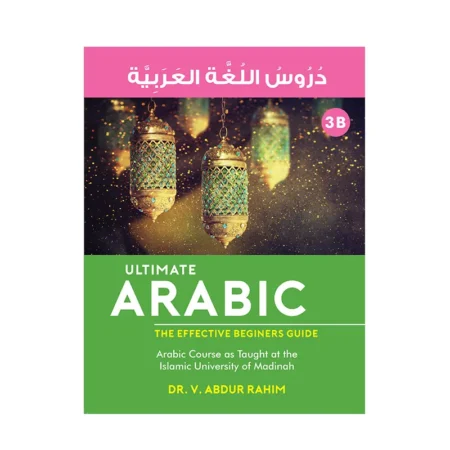
- Clear explanations of grammar and syntax – building on earlier concepts and introducing more complex structures.
- Thematic vocabulary expansion – covering practical, daily, and religious contexts.
- Reading and writing exercises – enhancing fluency, comprehension, and accuracy.
- Conversational practice – providing dialogues and situational examples for practical communication.
- Integration of Islamic vocabulary – helping learners understand religious texts alongside modern usage.
- Interactive exercises and revision sections – encouraging active engagement and reinforcement.
- Pronunciation guidance – ensuring accurate articulation of challenging Arabic sounds.
- Structured progression – lessons build logically from simple to more advanced concepts.
- Emphasis on practice and application – enabling learners to internalize knowledge and use it confidently.
2 in stock
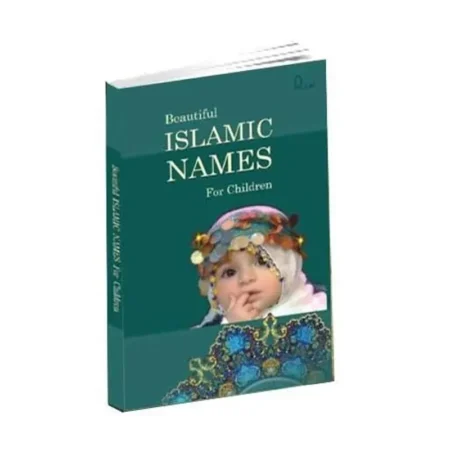
- Beautiful Islamic Names For Children Islami Kitab Ghar (English)
- Benefits for Families
- Ease in Selecting Appropriate Names:
- Families can quickly find suitable names with clear meanings and guidance.
- Moral and Spiritual Awareness:
- Encourages parents to choose names that reflect positive values and Islamic teachings.
- Cultural and Religious Education:
- Children and families learn about the significance of names in Islam and Islamic history.
- Enhanced Identity Formation:
- Names chosen with care can inspire children’s character, virtues, and self-esteem.
- Practical Guidance:
- Provides advice on avoiding names with negative meanings and selecting names that are socially and religiously appropriate.
- Long-Term Value:
- Serves as a reference book that families can use for future generations.
1 in stock

- A Dictionary Of Muslim Names Prof. S. A. Rahman Goodword (English)
- Key Features of the Dictionary
- Alphabetical Arrangement
Names are listed alphabetically for ease of reference. Both male and female names are included, with separate indications where necessary. - Meanings and Origins
Each name is accompanied by: - Its meaning in English.
- Its linguistic origin (Arabic, Persian, Turkish, Urdu, etc.).
- Its religious or historical significance, if applicable.
- Pronunciation Guides
Some editions provide phonetic spellings to help readers pronounce names correctly. - Focus on Positive and Virtuous Meanings
Names often carry religious, moral, or noble qualities, reflecting Islamic values, such as honesty, piety, bravery, and beauty. - Quranic and Hadith References
Many names are drawn from Quranic terms, names of Prophets, companions, or historical Islamic figures, often with references to their sources.
1 in stock

- Introducing The Quran Dr. Hasanuddin Ahmed Goodword (English)
1 in stock
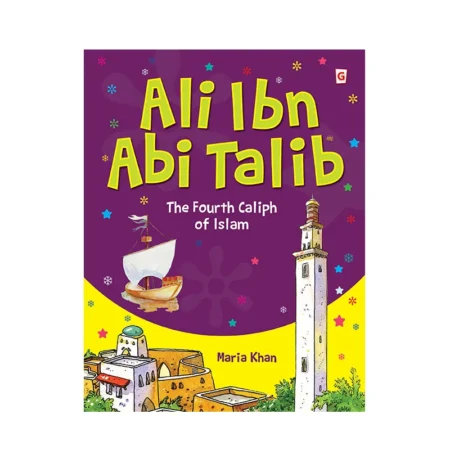
- Ali Ibn Abi Talib : The Fourth Caliph Of Islam ( Maria Khan ) Goodword English
- Significance and Impact:
This book is significant for several reasons: - Educational Value:
It introduces young readers to a major figure in Islamic history in an age-appropriate manner, providing historical, moral, and spiritual education. - Character Building:
Hazrat Ali’s (RA) life serves as a model of courage, wisdom, humility, and ethical leadership, encouraging readers to develop strong moral character. - Understanding Islamic History:
The book contextualizes key events in early Islamic history, making them accessible and relatable. Readers gain insight into the social, political, and ethical challenges of the early Muslim community. - Spiritual Inspiration:
Hazrat Ali’s (RA) devotion, piety, and moral integrity inspire readers to strengthen their faith, practice ethical behavior, and seek knowledge.
4 in stock
- Islam And Peace Wahiduddin Khan (Goodword) English
1 in stock
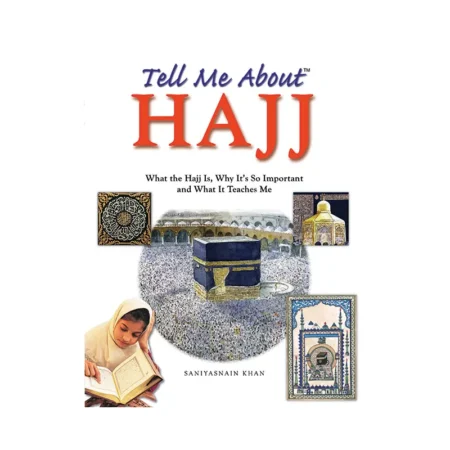
- Tell Me About Hajj (Hb) Saniyasnain Khan (Goodword) English
- Key Rituals of Hajj
- 1. Tawaf (Circumambulation around the Ka’bah)
- Pilgrims walk seven times around the Ka’bah, moving in a counterclockwise direction. This act symbolizes:
- Worship and devotion to Allah alone
- Unity among Muslims, all moving together in harmony
- Remembering the connection between humans and their Creator
2 in stock

Educational and Intellectual Impact
Europe Speaks Arabic has significant educational value:
- Historical awareness: Introduces students and general readers to lesser-known historical facts about European-Arabic intellectual exchange.
- Cultural literacy: Encourages respect for Arabic civilization’s contributions to modern knowledge.
- Language appreciation: Shows the importance of Arabic as a medium of scientific and philosophical thought.
- Interdisciplinary learning: Combines history, philosophy, literature, and science, making it a holistic educational resource.
- Critical thinking: Encourages readers to re-evaluate historical narratives and recognize the interconnectedness of civilizations.
2 in stock

1. Islam as a Religion of Peace
2. The Prophetic Model of Peaceful Struggle
3. Misinterpretations of Jihad
4. Islam and Interfaith Harmony
5. Islam and Modern Civilization
6. The Spiritual Dimension of Islam
1 in stock
Reviews
There are no reviews yet.