

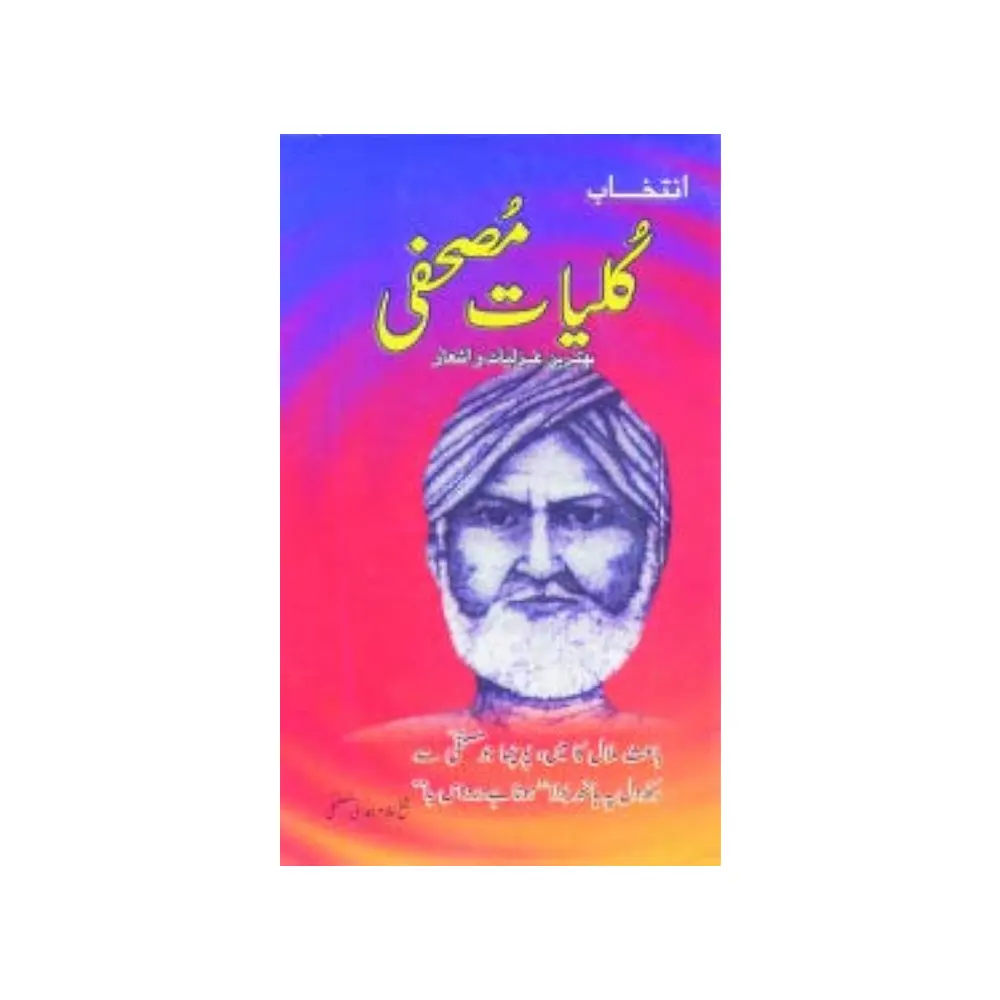
Urdu Zabaan Ki Teesri Kitaab (Maulana Muhammad Ismail Khan Sahab) Idara Urdu
₹80.00
- Practical Benefits for Students
- Enhanced Communication Skills:
- Mastery of advanced vocabulary and grammar allows students to express ideas more clearly and persuasively.
- Improved Literary Understanding:
- Students develop appreciation for poetry, prose, and rhetorical devices.
- Helps in understanding themes, symbolism, and stylistic nuances.
- Moral and Ethical Awareness:
- Stories and examples encourage ethical reflection and socially responsible behavior.
- Exam and Academic Preparation:
- Exercises and comprehension questions prepare students for academic assessments.
- Develops both analytical and expressive capabilities for writing and oral exams.
Out of stock
Urdu Zubaan Ki Teesri Kitaab (Maulana Muhammad Ismail Khan, Idara Urdu):
Urdu Zubaan Ki Teesri Kitaab is designed for students who have progressed beyond the foundational and intermediate levels of Urdu. It builds upon the skills taught in the first and second books, focusing on advanced language proficiency, deeper literary understanding, and the development of critical thinking. Authored by Maulana Muhammad Ismail Khan, this book combines structured language lessons with literary and moral education, aiming to produce confident, articulate, and morally conscious Urdu learners.
1. Purpose and Objective of the Book
The main objectives of Urdu Zubaan Ki Teesri Kitaab are:
Advanced Language Mastery:
Strengthen grammar, vocabulary, and sentence formation skills.
Introduce complex structures, idiomatic expressions, and literary terminology.
Develop precision in both written and spoken Urdu.
Literary Appreciation:
Familiarize students with classical, modern, and contemporary Urdu literature.
Encourage understanding of poetry, prose, essays, and short stories.
Promote analytical reading and appreciation for literary styles and devices.
Moral and Ethical Development:
Integrate lessons with ethical and moral reflections.
Highlight virtues such as integrity, empathy, patience, and social responsibility.
Critical Thinking and Expression:
Foster interpretation, analysis, and discussion of texts.
Encourage creative and reflective writing based on literary and social themes.
The book aims not only to teach language but also to cultivate thoughtful, morally aware, and culturally literate individuals.
2. Structure of the Book
The book is organized into several sections to cover language, literature, and moral education:
Advanced Vocabulary and Expressions (Lughat aur Muhaware):
Introduces sophisticated words, idioms, and phrases.
Provides examples of usage in context, helping students enhance both written and oral expression.
Encourages students to actively use new words in sentences and essays.
Grammar and Syntax (Qawaid aur Jumle Sazi):
Covers advanced topics like compound and complex sentences, voice (active/passive), conditional structures, and correct tense usage.
Includes exercises to identify errors, rewrite sentences, and construct coherent paragraphs.
Emphasizes clarity, coherence, and stylistic correctness in writing.
Reading Comprehension (Matn Ki Samajh):
Features passages, essays, and stories with accompanying questions.
Develops analytical and interpretive skills by asking “why” and “how” questions.
Encourages students to infer lessons, identify themes, and summarize content effectively.
Poetry and Literary Analysis (Shaairi aur Adabi Tajziya):
Introduces classical poets like Mir Taqi Mir, Ghalib, Iqbal, and contemporary Urdu poets.
Teaches students to understand rhyme, rhythm, metaphors, and imagery.
Exercises include explanation of difficult verses, identifying themes, and personal reflections on poetry.
Prose and Storytelling (Nasr aur Kahani):
Includes essays, moral stories, and historical narratives.
Focuses on comprehension, thematic analysis, and identification of moral lessons.
Encourages students to relate stories to real-life situations and ethical dilemmas.
Moral Lessons and Ethical Guidance (Akhlaqi Paigham):
Many stories, poems, and essays carry underlying moral messages.
Emphasizes practical virtues such as honesty, courage, humility, and empathy.
Encourages students to reflect on their own behavior and decisions.
Exercises and Practice (Mashq aur Tajurbah):
Writing exercises, comprehension questions, vocabulary tests, and grammar drills.
Promotes creative writing through essays, summaries, and short stories.
Helps students apply learned concepts in both academic and personal contexts.
3. Key Themes in the Book
While the book primarily focuses on advanced Urdu skills, several broader themes are emphasized:
Language and Expression:
Encourages students to develop precision, clarity, and fluency in Urdu.
Teaches effective communication through proper sentence construction, idiomatic usage, and literary style.
Cultural and Literary Awareness:
Introduces students to classical and modern Urdu literature.
Highlights the richness of Urdu as a medium of culture, history, and moral instruction.
Moral and Ethical Development:
Every lesson is embedded with ethical reflection.
Encourages students to consider the consequences of actions, make responsible decisions, and uphold virtues.
Analytical Thinking:
Through comprehension exercises, literary analysis, and moral reflections, students learn to think critically.
Questions often prompt evaluation, interpretation, and reasoning beyond rote memorization.
Creativity and Imagination:
Creative exercises encourage storytelling, essay writing, and expression of personal thoughts.
Poetry analysis and literary discussions nurture imagination and appreciation of aesthetics.
4. Literary and Educational Significance
Integration of Literature and Language Learning:
By blending prose, poetry, and stories with language exercises, the book ensures that students learn language in context. Literary texts are used to illustrate grammar, vocabulary, and stylistic elements.
Progressive Learning Approach:
Lessons gradually increase in complexity, moving from intermediate to advanced concepts. Students are first guided through comprehension and vocabulary, then encouraged to analyze, interpret, and produce original work.
Focus on Clarity and Engagement:
Maulana Muhammad Ismail Khan uses simple, clear explanations while introducing complex ideas. Lessons are engaging, with relatable examples, which help students internalize concepts more effectively.
Promotion of Urdu Heritage:
Through classical and contemporary texts, the book instills pride in Urdu language and literature. Students learn about important literary figures, historical context, and stylistic traditions.
5. Practical Benefits for Students
Enhanced Communication Skills:
Mastery of advanced vocabulary and grammar allows students to express ideas more clearly and persuasively.
Improved Literary Understanding:
Students develop appreciation for poetry, prose, and rhetorical devices.
Helps in understanding themes, symbolism, and stylistic nuances.
Moral and Ethical Awareness:
Stories and examples encourage ethical reflection and socially responsible behavior.
Exam and Academic Preparation:
Exercises and comprehension questions prepare students for academic assessments.
Develops both analytical and expressive capabilities for writing and oral exams.
6. Conclusion
Urdu Zubaan Ki Teesri Kitaab by Maulana Muhammad Ismail Khan is a carefully structured textbook aimed at advanced Urdu learners. It emphasizes mastery of language, literary appreciation, moral development, and critical thinking. By combining vocabulary building, grammar lessons, prose and poetry analysis, and ethical reflection, the book fosters holistic development of students.
It serves as a bridge from intermediate proficiency to advanced fluency, enabling students to communicate effectively, appreciate Urdu literature, and apply moral principles in their lives. The book’s balanced approach to language, literature, and ethics makes it an invaluable resource for both academic and personal growth in Urdu studies.
Only logged in customers who have purchased this product may leave a review.
Related Products
- Paperback
- Publisher: idara impex (2012)
8 in stock
- Key Lessons and Moral Insights
- Value of Empathy:
- Understanding and compassion toward vulnerable individuals is a moral imperative.
- Ethical Responsibility:
- Society and individuals have a duty to protect, educate, and uplift marginalized populations.
- Dignity and Respect for All:
- Human dignity transcends ability, social status, or perceived weakness.
- Awareness and Advocacy:
- Social reform begins with awareness, moral courage, and proactive intervention.
- Consequences of Neglect:
- Societal indifference and prejudice result in emotional harm, injustice, and moral decay.
- Resilience and Inner Strength:
- Vulnerable individuals can demonstrate profound emotional resilience and moral insight.
- Critique of Hypocrisy:
- Exposes societal contradictions—public appearances versus private neglect or exploitation.
1 in stock
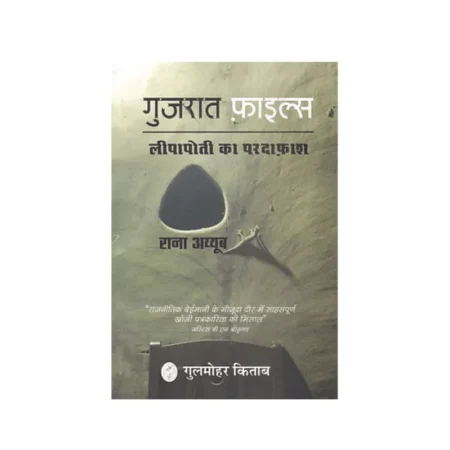
- Gujrat Files Paish Parda Haqaiq Ka Inkeshaf Rana Ayyub Manshurat (Urdu)
- Key Lessons and Insights
- Importance of Truth and Transparency:
- Highlighting hidden facts encourages ethical governance and social accountability.
- Role of Critical Thinking:
- Readers are urged to question narratives, analyze sources, and evaluate events critically.
- Human Impact of Political and Communal Conflict:
- Emphasizes empathy, understanding, and advocacy for affected communities.
- Ethical Journalism and Activism:
- Demonstrates the power of investigative journalism in uncovering injustice and advocating for change.
- Need for Legal and Social Reform:
- Calls attention to systemic failures and urges reforms in law enforcement, judiciary, and governance.
- Empowerment Through Knowledge:
- Educates readers about socio-political realities, inspiring informed participation in society.
2 in stock
- Key Lessons and Moral Insights
- Patience and Moral Steadfastness:
- Life’s trials and misunderstandings are opportunities for growth and ethical development.
- Ethical Decision-Making:
- Actions guided by integrity, honesty, and moral awareness lead to personal fulfillment and societal harmony.
- Spiritual Awareness and Reliance on God:
- Trust in God and spiritual reflection provide strength, guidance, and resilience.
- Empathy and Forgiveness:
- Emotional intelligence, understanding, and forgiveness are essential for healthy relationships and personal growth.
- Balancing Personal and Societal Expectations:
- Navigating cultural norms, family obligations, and personal desires requires wisdom, patience, and ethical judgment.
- Transformative Power of Love and Understanding:
- Love, when guided by patience, empathy, and moral integrity, becomes a source of growth and strength.
3 in stock

- Paperback
- Publisher: Idara impex (2006)
- Language: English
2 in stock

- Desire For The Aa-Khirah M. Ashraf Ali Thanvi Idara (English)
2 in stock

- Qalandar Zaat Amjad Javed (Manshurat) Urdu
- Key Messages and Moral Insights
- Spiritual Life is a Conscious Choice:
- True life begins with moral awareness, spiritual consciousness, and detachment from vice.
- Ethical Conduct Shapes Destiny:
- Integrity, honesty, and compassion determine personal and societal well-being.
- Materialism vs. Inner Fulfillment:
- Wealth and status are transient; inner growth and ethical life provide lasting contentment.
- Resilience Through Challenges:
- Adversity is a tool for self-improvement and moral growth.
- Patience, courage, and reflection are essential for overcoming difficulties.
- Human Relationships Require Moral Insight:
- Love, friendship, and social bonds thrive when guided by empathy, ethics, and understanding.
- Role of Society in Moral Development:
- Ethical societies nurture virtue, justice, and compassion; societal neglect leads to moral decay.
1 in stock

- Junoo Tha Ke Justajoo Farhat Ishteyaq (Manshurat)
- Key Lessons and Moral Insights
- Self-Awareness and Emotional Intelligence:
- Understanding one’s emotions, desires, and ethical obligations is essential for a meaningful life.
- Moral and Ethical Conduct:
- Choices have long-term consequences; integrity and moral awareness guide fulfilling living.
- Resilience in Adversity:
- Life’s challenges foster personal growth, emotional maturity, and moral strength.
- Value of Human Relationships:
- Empathy, compassion, and emotional bonds are key to personal and social fulfillment.
- Forgiveness and Conflict Resolution:
- Letting go of resentment and reconciling differences is necessary for peace and harmony.
- Navigating Societal Expectations:
- Ethical awareness helps maintain integrity while fulfilling societal and personal responsibilities.
- Spiritual and Philosophical Insight:
- Self-discovery, moral reflection, and pursuit of higher purpose contribute to meaningful living.
1 in stock

- An Index To The Qur’An Harun Yahya Idara (English)
- Conclusion
- “An Index to the Qur’ān” by Harun Yahya is a valuable tool for systematic study, reflection, and research. Its importance lies in:
- Providing quick access to Qur’ānic verses on specific topics.
- Facilitating thematic understanding across multiple surahs.
- Supporting spiritual, academic, and interfaith endeavors.
- Helping readers recognize patterns, repetitions, and core teachings in the Qur’ān.
1 in stock

- Biography Of Hadrat Moulana Muhammad Yusuf Sahib(R.A) Amire Tabligh Maulana Mufti Azizur-Rehman Bijnori Idara (English)
- 1. Early Life and Background
- Hadrat Moulana Muhammad Yusuf Sahib (R.A) was born in the late 19th or early 20th century in India, into a family committed to Islamic learning and piety. Maulana Mufti Azizur-Rehman Bijnori highlights that his upbringing in a spiritually rich environment laid the foundation for his lifelong dedication to Islamic scholarship and da‘wah (missionary work).
- From an early age, he displayed qualities of sincerity, devotion, discipline, and humility. His family emphasized both religious education and moral training, cultivating in him a love for Qur’an, Hadith, and the practices of the Prophet Muhammad (S.A.W.).
- 2. Education and Religious Formation
- The biography emphasizes Moulana Muhammad Yusuf Sahib’s thorough grounding in Islamic sciences. He studied:
- Tafsir (Qur’anic exegesis)
- Hadith (Prophetic traditions)
- Fiqh (Islamic jurisprudence)
- Aqidah (Islamic creed)
- His teachers recognized his intelligence, piety, and commitment to learning, which allowed him to excel in both religious knowledge and practical application. This strong scholarly foundation later helped him lead, guide, and inspire followers in Tablighi activities across India and beyond.
- 3. Early Involvement in Tabligh Work
- The book narrates Moulana Yusuf Sahib’s early participation in Tablighi activities under the guidance of senior scholars and leaders of the movement. He actively engaged in:
- Missionary journeys (khuruj): Traveling to various towns and villages to invite Muslims to observe Islamic practices.
- Spiritual training of disciples: Teaching sincerity, humility, and moral reform.
- Organization and administration: Assisting in the structured planning of Tablighi missions.
3 in stock

- Maahe Tamam Amina Reyaz (Manshurat) Urdu
- Key Lessons and Moral Insights
- Emotional Awareness:
- Understanding and managing one’s emotions is crucial for sustaining meaningful relationships.
- Ethical and Moral Conduct:
- Moral decisions shape personal well-being, relationships, and social harmony.
- Resilience and Patience:
- Life’s emotional, social, and moral challenges provide opportunities for growth and reflection.
- Forgiveness and Communication:
- Resolving conflicts through empathy, dialogue, and reconciliation strengthens bonds.
- Navigating Societal Expectations:
- Awareness of social norms allows ethical integrity while pursuing personal and emotional growth.
- Value of Relationships:
- Loyalty, trust, empathy, and understanding are essential for meaningful and lasting human connections.
- Self-Reflection and Growth:
- Introspection, moral awareness, and emotional intelligence foster maturity, wisdom, and personal transformation.
1 in stock

- 26 Chabbis Surtein Momin Ka Hathyar Allah Ki Panah Muhammad Yunus Idara (Urdu)
4 in stock
Reviews
There are no reviews yet.