
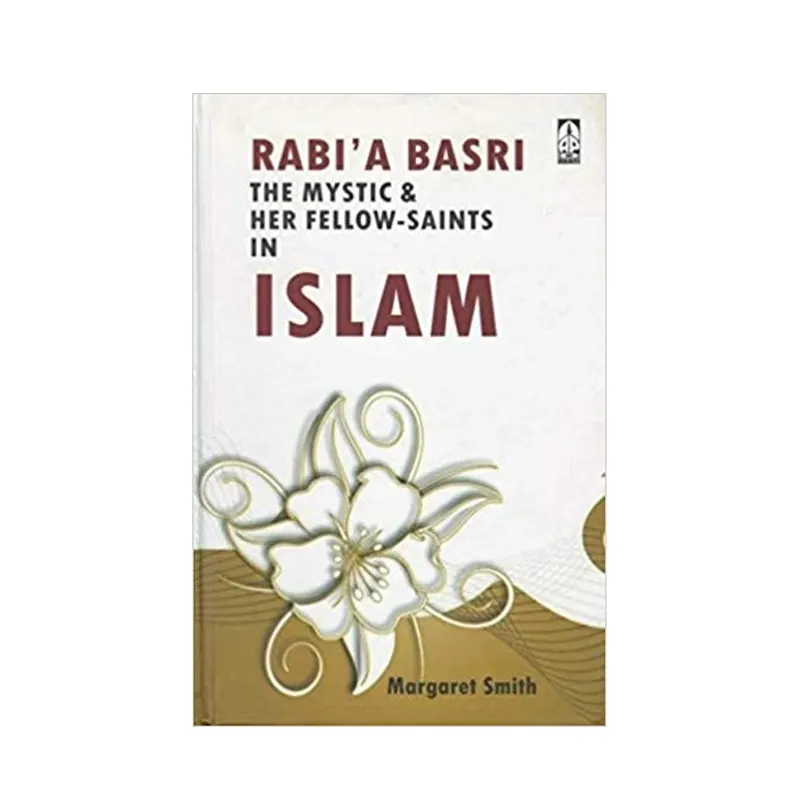
Rabi’A Basri The Mystic And Her Fellow-Saints In Islam Margaret Smith (Adam) English

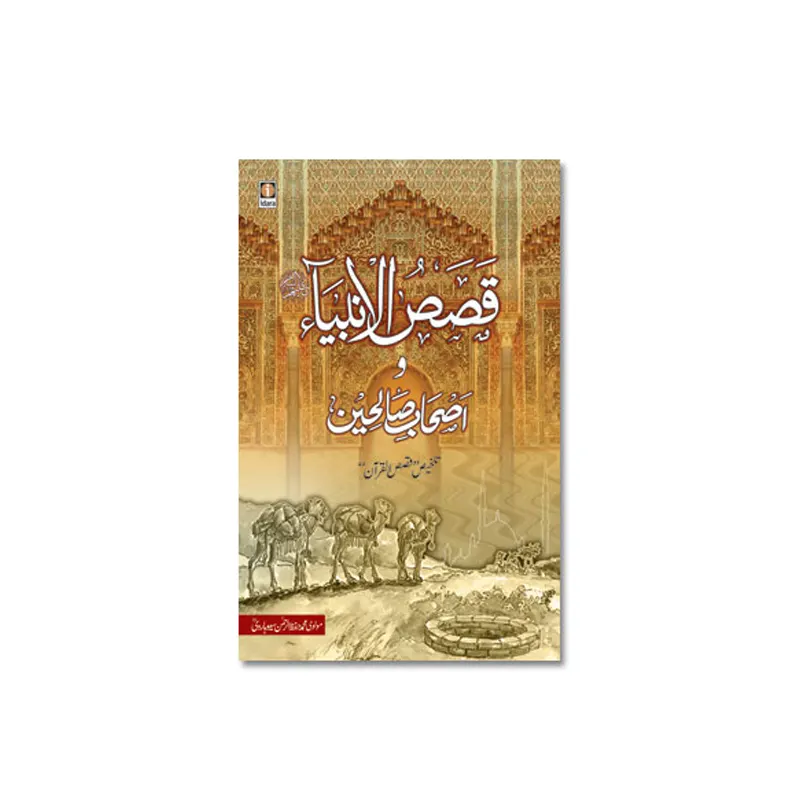
Original price was: ₹250.00.₹185.00Current price is: ₹185.00.
1. Early Life and Background
2. Introduction to Sufism and Spiritual Journey
3. Teaching and Ethical Philosophy
4. Role as a Female Mystic
5. Influence on Later Sufism
6. Personal Asceticism and Devotional Practices
7. Anecdotes and Spiritual Lessons
Out of stock
Rabi’A Basri The Mystic And Her Fellow-Saints In Islam Margaret Smith (Adam) English
“Rabi’a Basri: The Mystic and Her Fellow-Saints in Islam” by Margaret Smith is a seminal work that explores the life, teachings, and spiritual legacy of Rabi’a al-Adawiyya al-Basri (713–801 CE), one of the earliest and most influential female mystics in Islamic history. The book not only provides a biography of Rabi’a but also situates her within the broader context of early Sufism, illustrating her spiritual philosophy, ethical conduct, and her enduring influence on Islamic mysticism. Margaret Smith’s research offers both historical and analytical insights, making it a key resource for scholars of Islamic studies, Sufism, and religious history.
1. Early Life and Background
Rabi’a Basri was born in Basra, Iraq, during a period of early Islamic expansion and cultural development. Margaret Smith details that she was orphaned at a young age and faced extreme hardship, including poverty and social marginalization. These early challenges shaped her character, instilling resilience, humility, and a deep spiritual sensitivity.
The biography emphasizes that Rabi’a’s early life experiences were pivotal in forming her mystical orientation. Unlike many contemporaries who sought worldly security or social status, Rabi’a devoted herself to God with a singular focus, adopting a life of asceticism and spiritual discipline.
2. Introduction to Sufism and Spiritual Journey
Margaret Smith highlights Rabi’a as a pioneer in the development of Sufi thought, particularly in emphasizing pure love of God (mahabba). Unlike earlier ascetics who practiced spirituality primarily out of fear of divine punishment or desire for reward, Rabi’a promoted the idea of loving God for God’s sake alone.
Her mystical approach combined rigorous self-discipline, intense devotion, and continuous remembrance of God. The book details her practices, including prayer, fasting, meditation, and nightly vigils, which exemplified her unwavering commitment to spiritual purification and divine proximity.
3. Teaching and Ethical Philosophy
A significant focus of the book is Rabi’a’s teachings on ethics, love, and spirituality. Margaret Smith emphasizes that Rabi’a’s philosophy was revolutionary: she advocated a spiritual life centered on selflessness, humility, and unconditional love for God.
Her ethical teachings extended beyond personal devotion to encompass social conduct. She encouraged compassion, patience, and service to humanity, reflecting the Sufi ideal that love of God must manifest in love for others. Rabi’a’s life became a living example of how mystical experience could be integrated with ethical behavior.
4. Role as a Female Mystic
One of the remarkable aspects of Rabi’a’s biography is her status as a female mystic in a predominantly male spiritual landscape. Margaret Smith emphasizes that Rabi’a’s influence was not limited by gender; her spiritual authority and wisdom earned her recognition among male and female contemporaries alike.
The book documents instances where prominent male scholars and mystics sought her guidance, highlighting her intellectual and spiritual credibility. Rabi’a’s example challenged prevailing social norms and demonstrated that spiritual insight is not constrained by gender.
5. Influence on Later Sufism
Rabi’a Basri’s contributions had a profound and lasting impact on the development of Islamic mysticism. Margaret Smith situates her teachings within the larger Sufi tradition, showing how her emphasis on divine love influenced later mystics such as Junayd of Baghdad, Hasan al-Basri, and later figures like Ibn Arabi.
Her ideas on love, devotion, and selflessness became central to Sufi thought, shaping practices, poetry, and ethical frameworks. The biography underscores that Rabi’a’s influence transcended her lifetime, contributing to the establishment of Sufism as a spiritual and ethical path within Islam.
6. Personal Asceticism and Devotional Practices
Margaret Smith provides detailed accounts of Rabi’a’s ascetic practices. She lived a life of extreme simplicity, often renouncing worldly comforts to focus entirely on God. Her devotion included long periods of solitude, continuous prayer, fasting, and meditation.
These practices were not mere ritual; they were means to cultivate inner purity, detachment from material desires, and an intimate connection with the Divine. The biography portrays her as a model of spiritual discipline and inner transformation, emphasizing that mystical experience in Islam requires both devotion and ethical conduct.
7. Anecdotes and Spiritual Lessons
The book includes numerous anecdotes that illustrate Rabi’a’s spiritual insights, humility, and love of God. Stories of her interactions with disciples, her responses to challenges, and her reflections on divine love provide practical guidance for aspiring mystics.
Margaret Smith emphasizes that these narratives are not only historical accounts but also serve as moral and spiritual lessons. They teach the importance of sincerity, detachment from ego, and unwavering devotion in the pursuit of spiritual growth.
8. Historical Context and Sufi Networks
The biography situates Rabi’a within the broader historical and cultural context of 8th-century Basra. Margaret Smith explains the social, political, and religious environment in which early Sufism developed, highlighting how Rabi’a’s life intersected with the lives of other early saints and scholars.
Her connections with fellow saints, her reputation for piety, and her influence on subsequent generations illustrate the emergence of a network of mystics who emphasized ethical conduct, spiritual discipline, and devotion to God.
9. Legacy and Enduring Relevance
Rabi’a Basri’s legacy is enduring and multifaceted. Margaret Smith emphasizes that she remains a symbol of spiritual purity, ethical integrity, and divine love. Her teachings continue to inspire Sufi practitioners, scholars, and spiritual seekers worldwide.
The book highlights that Rabi’a’s life demonstrates the power of devotion, humility, and love to transcend social barriers and personal hardships. Her example shows that spiritual authority is rooted in ethical conduct, inner discipline, and unwavering commitment to God.
10. Style and Scholarly Contribution
Margaret Smith’s writing is both scholarly and accessible. She combines historical research with interpretive analysis, drawing upon classical sources, early Sufi texts, and oral traditions. The biography balances rigorous scholarship with narrative storytelling, making it valuable for both academics and general readers interested in Islamic mysticism, female spiritual leadership, and ethical philosophy.
Conclusion
“Rabi’a Basri: The Mystic and Her Fellow-Saints in Islam” by Margaret Smith provides a rich and nuanced portrait of one of Islam’s most influential female mystics. The biography explores her early life, spiritual journey, ascetic practices, ethical teachings, and lasting influence on Sufism.
Rabi’a’s emphasis on unconditional love of God, selflessness, humility, and devotion set a precedent for subsequent generations of mystics and remain central to Islamic spiritual thought. The book highlights her remarkable role as a female authority in a male-dominated spiritual landscape, demonstrating that genuine spiritual insight transcends social and gender boundaries.
Through historical context, personal anecdotes, and analytical commentary, Margaret Smith presents Rabi’a as a model of mystical devotion and ethical conduct. Her life offers timeless lessons in sincerity, resilience, and spiritual discipline, making this biography both a historical resource and a source of inspiration for those seeking a deeper understanding of Islamic mysticism and moral excellence.
| Weight | 400 g |
|---|---|
| Dimensions | 16 × 10 × 8 cm |
Only logged in customers who have purchased this product may leave a review.
Related Products

- Europe’S Gift To Islam Vol 1&2 Muhammad Asad (Adam) English
2 in stock
- Qassasul Ambiya Wa Ashabe Saliheen Maulana Muhammad Hifzur Rehman Seeohwarwi Idara (Urdu)
- Prophet Adam (AS): The book details his creation, the test in Paradise, and the lessons of obedience, repentance, and divine mercy.
- Prophet Nuh (AS): His patience in calling his people to monotheism and his perseverance in the face of rejection teaches the importance of steadfastness.
- Prophet Ibrahim (AS): His devotion, sacrifice, and trust in Allah serve as a model of complete submission and reliance on God.
- Prophet Musa (AS) and Prophet Isa (AS): Their struggles against oppression, leadership, and miracles highlight the significance of courage, justice, and divine guidance.
- Prophet Muhammad (SAW): The final prophet’s life, mission, and ethical conduct are presented as the ultimate model of virtue, wisdom, and spiritual guidance.
1 in stock

- Salaah The Muslim Prayer (Adam) English Arabic
7 in stock

- Biography Of Hadrat Moulana Muhammad Yusuf Sahib(R.A) Amire Tabligh Maulana Mufti Azizur-Rehman Bijnori Idara (English)
- 1. Early Life and Background
- Hadrat Moulana Muhammad Yusuf Sahib (R.A) was born in the late 19th or early 20th century in India, into a family committed to Islamic learning and piety. Maulana Mufti Azizur-Rehman Bijnori highlights that his upbringing in a spiritually rich environment laid the foundation for his lifelong dedication to Islamic scholarship and da‘wah (missionary work).
- From an early age, he displayed qualities of sincerity, devotion, discipline, and humility. His family emphasized both religious education and moral training, cultivating in him a love for Qur’an, Hadith, and the practices of the Prophet Muhammad (S.A.W.).
- 2. Education and Religious Formation
- The biography emphasizes Moulana Muhammad Yusuf Sahib’s thorough grounding in Islamic sciences. He studied:
- Tafsir (Qur’anic exegesis)
- Hadith (Prophetic traditions)
- Fiqh (Islamic jurisprudence)
- Aqidah (Islamic creed)
- His teachers recognized his intelligence, piety, and commitment to learning, which allowed him to excel in both religious knowledge and practical application. This strong scholarly foundation later helped him lead, guide, and inspire followers in Tablighi activities across India and beyond.
- 3. Early Involvement in Tabligh Work
- The book narrates Moulana Yusuf Sahib’s early participation in Tablighi activities under the guidance of senior scholars and leaders of the movement. He actively engaged in:
- Missionary journeys (khuruj): Traveling to various towns and villages to invite Muslims to observe Islamic practices.
- Spiritual training of disciples: Teaching sincerity, humility, and moral reform.
- Organization and administration: Assisting in the structured planning of Tablighi missions.
3 in stock
- Index-Cum-Concordance For The Qur’An Al Haaj A. A. Kherie Adam Publishers (English)
2 in stock
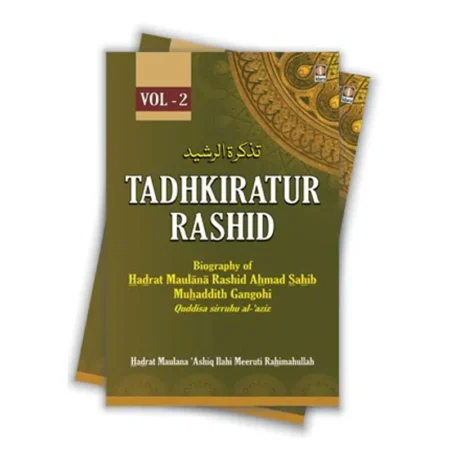
- Biographies of Scholars and Saints
- A key feature of Tadhkiratur Rashid Vol-2 is the detailed biographies of Islamic scholars, jurists, and Sufi saints. Maulana Meeruti presents these figures as models of intellectual and spiritual excellence. Each biography highlights:
- Early life and education: The author details the family background, early learning, and intellectual environment that shaped the personality of each figure.
- Spiritual and moral development: Emphasis is placed on how these personalities cultivated inner piety, patience, humility, and devotion to God.
- Scholarly achievements: Their contributions to Islamic sciences, including Fiqh, Hadith, Tafsir, and Tasawwuf, are elaborated, showing their role in preserving and transmitting knowledge.
- Ethical conduct: The biographies stress the practical application of knowledge, including charity, justice, truthfulness, and service to society.
- By highlighting these elements, the book inspires readers to emulate the balance of knowledge, spirituality, and ethical conduct exhibited by these personalities.
4 in stock

- Aap Beti Part 1 & 2 Autobiography Of Maulana Zakariyya (Idara) English
- 1. Early Life and Family Background
- Maulana Zakariyya Kandhlawi was born in 1898 in Kandhla, India, into a family deeply committed to Islamic scholarship. The autobiography highlights the influence of his parents and extended family, who emphasized religious education, ethical conduct, and spiritual development.
- Even in his early years, he exhibited remarkable memory, curiosity, and devotion to learning. The book emphasizes how his upbringing instilled the foundations of moral character, spiritual awareness, and a love for Islamic knowledge that would guide his entire life.
- 2. Education and Scholarly Formation
- One of the central themes of Aap Beeti is Maulana Zakariyya’s rigorous Islamic education. He pursued studies in:
- Hifz-ul-Qur’an: Memorizing the Qur’an at a young age
- Hadith: Studying Prophetic traditions with renowned teachers
- Fiqh (Islamic jurisprudence): Mastering Hanafi fiqh and related texts
- Tafsir and Aqidah: Understanding the Qur’an and Islamic creed
- Maulana Zakariyya narrates the challenges he faced, including long hours of study, travel to different madrasas, and personal discipline. The autobiography conveys the dedication required to attain deep Islamic knowledge, highlighting both intellectual rigor and spiritual commitment.
- 3. Spiritual Development and Personal Virtues
- Throughout his life, Maulana Zakariyya (RA) emphasized the integration of knowledge with spiritual practice. His autobiography details his efforts in:
- Regular Salah and Dhikr: Maintaining consistent prayer and remembrance of Allah
- Ethical Conduct: Upholding truthfulness, humility, and honesty in personal and social life
- Self-Discipline: Controlling desires and striving for moral refinement
- Service to Islam: Prioritizing da‘wah, teaching, and moral guidance over personal comfort
2 in stock
Reviews
There are no reviews yet.