

School Syllabus Urdu (Nursery To Book 6)
₹912.00
- At the Nursery level, the focus is primarily on oral language skills and the recognition of Urdu letters and sounds.
- Children are introduced to the Urdu alphabet (Alif to Ye) in a fun and interactive way using colorful charts, pictures, and songs.
- The goal is to help them associate letters with familiar objects or sounds, for example, “Alif for Aam (Mango)” or “Bay for Bandar (Monkey).”
- Nursery also emphasizes speaking simple words and short sentences, as well as listening skills through storytelling and rhymes.
- Students engage in basic writing exercises, tracing letters and forming simple words, which develop their fine motor skills and prepare them for writing independently in higher classes.
- Books 1 and 2 introduce children to more structured reading and writing.
- The syllabus includes reading short stories, poems, and dialogues designed to reinforce vocabulary and sentence formation.
- Students practice reading fluency, comprehension, and basic grammar concepts, such as nouns, pronouns, verbs, and adjectives.
- Writing exercises include forming sentences, copying short passages, and gradually learning punctuation.
- Listening activities, including oral storytelling and simple instructions, help improve comprehension and attention.
- Speaking activities, such as reciting poems or answering simple questions, encourage confidence in using the language.
- At this stage, students are also introduced to basic literary appreciation, learning to identify characters, settings, and moral lessons from stories.
Out of stock
School Syllabus Urdu (Nursery To Book 6)
The Urdu syllabus from Nursery to Book 6 is designed to provide students with a progressive and structured approach to learning the Urdu language. Its main objectives are to develop language skills in reading, writing, listening, and speaking, while also fostering an appreciation of Urdu literature, culture, and values. The syllabus is tailored to gradually enhance a child’s linguistic abilities, starting from basic recognition of letters and sounds in Nursery to advanced comprehension, composition, and literary analysis by Book 6.
Nursery Level:
At the Nursery level, the focus is primarily on oral language skills and the recognition of Urdu letters and sounds. Children are introduced to the Urdu alphabet (Alif to Ye) in a fun and interactive way using colorful charts, pictures, and songs. The goal is to help them associate letters with familiar objects or sounds, for example, “Alif for Aam (Mango)” or “Bay for Bandar (Monkey).” Nursery also emphasizes speaking simple words and short sentences, as well as listening skills through storytelling and rhymes. Students engage in basic writing exercises, tracing letters and forming simple words, which develop their fine motor skills and prepare them for writing independently in higher classes.
Kindergarten (LKG/UKG):
In Lower and Upper Kindergarten, children build on the foundations laid in Nursery. The syllabus focuses on recognizing letters in different positions, joining letters to form basic words, and learning short, simple sentences. Activities include reading aloud, matching words with pictures, and forming basic questions and answers. Vocabulary development is emphasized through common everyday words related to family, animals, colors, numbers, and objects in the environment. Writing exercises advance from tracing letters to writing simple words and short sentences. Listening and speaking skills continue to be developed through storytelling, rhymes, and simple dialogues, enhancing communication and comprehension.
Book 1 & 2 (Primary Stage):
Books 1 and 2 introduce children to more structured reading and writing. The syllabus includes reading short stories, poems, and dialogues designed to reinforce vocabulary and sentence formation. Students practice reading fluency, comprehension, and basic grammar concepts, such as nouns, pronouns, verbs, and adjectives. Writing exercises include forming sentences, copying short passages, and gradually learning punctuation. Listening activities, including oral storytelling and simple instructions, help improve comprehension and attention. Speaking activities, such as reciting poems or answering simple questions, encourage confidence in using the language. At this stage, students are also introduced to basic literary appreciation, learning to identify characters, settings, and moral lessons from stories.
Book 3 & 4 (Intermediate Stage):
Books 3 and 4 expand students’ reading and writing skills to more complex sentences and paragraphs. The syllabus includes longer stories, folk tales, and simple essays to develop comprehension, analytical skills, and vocabulary. Grammar topics become more formalized, covering sentence structure, tenses, plurals, adjectives, adverbs, and basic punctuation rules. Writing exercises include paragraph writing, short letter writing, and descriptive compositions. Listening comprehension is enhanced through instructions, stories, and dialogues, while speaking skills are developed via storytelling, recitation of poems, and answering questions orally. Students are encouraged to summarize texts, infer meanings, and express their opinions in Urdu. Introduction to literary concepts, such as rhyme, rhythm, and morals in stories, helps foster an appreciation for Urdu literature and culture.
Book 5 & 6 (Upper Primary Stage):
By Books 5 and 6, students transition to advanced reading, writing, and comprehension skills. The syllabus includes reading longer texts, essays, poems, and plays. Students learn to analyze and interpret literature, understand moral and cultural themes, and relate stories to their own experiences. Advanced grammar topics include verb conjugation, sentence types, complex tenses, active and passive voice, and direct and indirect speech. Writing skills are further developed through essay writing, letter writing, story composition, and report writing. Listening exercises include understanding longer passages, following instructions, and summarizing content. Speaking skills are enhanced through presentations, discussions, poetry recitation, and role-playing exercises. Students are also encouraged to develop critical thinking and analytical skills by answering comprehension questions, identifying themes, and discussing character traits and moral lessons.
Skill Development Across Levels:
The Urdu syllabus is designed to develop the four main language skills progressively:
Reading: Starting with letter recognition in Nursery and advancing to fluent reading of complex texts in Book 6.
Writing: From tracing letters and forming simple words to essay writing, summaries, and creative compositions.
Listening: Listening to stories, rhymes, instructions, and oral presentations, improving comprehension and attention.
Speaking: Oral expression through dialogues, storytelling, recitation, and discussions to build confidence and fluency.
Literary and Cultural Awareness:
Beyond language skills, the syllabus incorporates an appreciation of Urdu literature and culture. Stories, poems, and folk tales teach moral lessons, social values, and ethical behavior. Students are exposed to classical and contemporary Urdu poetry, short stories, and religious narratives, fostering a love for the language and understanding of cultural heritage. Emphasis on literary devices such as rhyme, rhythm, metaphors, and similes gradually develops analytical and interpretive skills.
Evaluation and Assessment:
Assessment in the Urdu syllabus includes oral reading, written exercises, comprehension questions, dictation, creative writing, and recitation of poems. Teachers evaluate students not only for accuracy in language but also for expression, creativity, and understanding of moral and cultural lessons. Regular revision and practice ensure retention of vocabulary, grammar rules, and literary concepts.
Conclusion:
The Urdu syllabus from Nursery to Book 6 is a carefully structured program that nurtures language proficiency, literary appreciation, and cultural understanding. Starting with basic letter recognition and oral skills in Nursery, the syllabus progressively builds vocabulary, grammar, comprehension, and writing skills through interactive activities, stories, poems, and exercises. By Book 6, students are capable of reading complex texts, analyzing literary content, expressing thoughts creatively in writing, and speaking fluently in Urdu. The syllabus not only equips students with linguistic competence but also fosters moral, ethical, and cultural awareness, making Urdu learning a holistic and enriching experience. It ensures that children develop a lifelong love for the language while gaining the skills to communicate effectively, think critically, and appreciate the rich heritage of Urdu literature.
Only logged in customers who have purchased this product may leave a review.
Related Products

- Allah Ka Tasavvur (Concept of Allah)
Bachon ko pehle Allah ka tasavvur karwaya jata hai. Allah hamara khaliq hai. Allah sab kuch banata hai – aasmaan, zameen, phool, ped, janwar aur hum insaan bhi Allah ne banaye. Allah har cheez ko dekhta hai aur hamesha hamare saath hota hai. Bachon ko ye samjhana zaruri hai ke Allah sab se bara aur sab se accha hai. - 2. Allah Ki Ibadat (Worship of Allah)
Bachon ko ibadat ki ahmiyat samjhayi jati hai. Ibadat ka matlab hai Allah ki baat man’na aur uski khushi ke liye kaam karna. Bachon ko ye sikhaya jata hai ke Allah ke liye namaz, dua aur acchai karna zaruri hai. Simple shabdon me, “Allah ki baat sunna aur acchai karna ibadat hai.” - 3. Dua aur Salam (Prayers and Greetings)
Nursery ke bachon ko chhoti chhoti duaen sikhayi jati hain, jaise: - Bismillah (Kuch bhi shuru karne se pehle bolna)
- Alhamdulillah (Shukriya ada karne ke liye)
- Assalamu Alaikum (Salaam karna)
Bachon ko bataya jata hai ke ye shabd hamare liye barkat aur mohabbat laate hain. Salam karna aur dua karna insaan ko shafqat aur acchai sikhata hai. - 4. Nabiyon Ka Ta’aruf (Introduction to Prophets)
Nursery bachon ko sabse pehle Hazrat Muhammad ﷺ aur kuch dusre nabi ke bare me sikhaya jata hai. Simple kahaniyon ke zariye: - Hazrat Adam A.S – pehle insaan
- Hazrat Nuh A.S – jo barkhata aur insano ko Allah ka hukum batate the
- Hazrat Muhammad ﷺ – akhir ke nabi, sabse pyare aur sabko acchai sikhane wale
Bachon ko ye samjhaya jata hai ke nabi hamesha sach bolte the aur Allah ki baat manate the.
2 in stock
- Beautiful Islamic Names For Children Islami Kitab Ghar (English)
- Benefits for Families
- Ease in Selecting Appropriate Names:
- Families can quickly find suitable names with clear meanings and guidance.
- Moral and Spiritual Awareness:
- Encourages parents to choose names that reflect positive values and Islamic teachings.
- Cultural and Religious Education:
- Children and families learn about the significance of names in Islam and Islamic history.
- Enhanced Identity Formation:
- Names chosen with care can inspire children’s character, virtues, and self-esteem.
- Practical Guidance:
- Provides advice on avoiding names with negative meanings and selecting names that are socially and religiously appropriate.
- Long-Term Value:
- Serves as a reference book that families can use for future generations.
1 in stock

- Fun Taleem O Tarbiyaat Vol 2
- Benefits for Children
- Intellectual Growth:
- Enhances Urdu literacy, comprehension, arithmetic skills, and general knowledge.
- Promotes problem-solving, logical thinking, and analytical abilities.
- Moral and Ethical Development:
- Reinforces honesty, patience, empathy, responsibility, teamwork, and gratitude.
- Encourages practical application of ethical principles.
- Emotional and Social Learning:
- Stories and activities foster empathy, cooperation, and communication skills.
- Teaches children to understand the perspectives of others and make ethical decisions.
- Confidence and Independence:
- Encourages self-paced learning and active participation.
- Builds confidence in both academics and ethical reasoning.
- Engaging and Fun Learning Experience:
- Puzzles, illustrations, and creative tasks make learning enjoyable.
- Motivates children to practice regularly, reinforcing knowledge and skills.
- Preparation for Real-Life Challenges:
- Lessons and stories help children understand the importance of applying knowledge and values in everyday life.
- Builds a foundation for academic success and socially responsible behavior.
1 in stock

- Uthman Ibn Affan The Third Caliph Of Islam Sr. Nafees Khan (Goodword) English
- Moral Lessons and Significance:
The book emphasizes several moral and spiritual lessons from Uthman ibn Affan’s life:- Faith and Patience: Strong belief in Allah provides strength to face trials and adversity.
- Humility and Generosity: Wealth and influence should be used for the service of others.
- Dedication to Knowledge: Promoting learning and preserving sacred texts is a vital responsibility.
- Justice and Integrity: Leadership requires fairness, patience, and adherence to ethical principles.
- Service to the Community: True leadership is measured by commitment to the welfare of people rather than personal gain.
4 in stock

- 100% Authentic & Original Products
- 100% Organic Products
- Suitable for All Skin Types
19 in stock
- Clear and simple explanations – grammar, vocabulary, and sentence structure are taught in an understandable way.
- Balanced focus on reading, writing, and speaking – ensuring all essential language skills are developed.
- Practical and contextual learning – dialogues and thematic vocabulary make learning relevant and applicable.
- Integration of Islamic terms – useful for learners interested in understanding religious texts.
- Structured progression – each chapter builds on previous knowledge for smooth learning.
- Interactive exercises and puzzles – promote active learning and reinforcement.
- Pronunciation guidance – helps learners articulate words accurately and confidently.
2 in stock

- Taste and texture: Amber dates are fresh, rich with a syrupy flavor. It is soft and fleshy dry variety of date fruit from Saudi Arabia
- Color and size: Amber Dates are the smallest and most fragile type of dates. The firm skin and flesh turn amber, then golden brown when stored, and the fruit itself is small to medium in size.
- Uses: Amber Dates are famous for their extraordinary size, quality and health benefits. Amber Dates are counted among the top-most variety of dates. They are a favourite premium dates variety in Middle East.
- Origins: Amber dates are grown in Saudi Arabia , cultivated from Madinah .
- in 500g , Occasions Amber VIP can between 20-25 pieces
24 in stock
- Clear explanations of grammar and syntax – building on earlier concepts and introducing more complex structures.
- Thematic vocabulary expansion – covering practical, daily, and religious contexts.
- Reading and writing exercises – enhancing fluency, comprehension, and accuracy.
- Conversational practice – providing dialogues and situational examples for practical communication.
- Integration of Islamic vocabulary – helping learners understand religious texts alongside modern usage.
- Interactive exercises and revision sections – encouraging active engagement and reinforcement.
- Pronunciation guidance – ensuring accurate articulation of challenging Arabic sounds.
- Structured progression – lessons build logically from simple to more advanced concepts.
- Emphasis on practice and application – enabling learners to internalize knowledge and use it confidently.
2 in stock

- Brand- Hlr Star
- Name- Eyeshadow
3 in stock
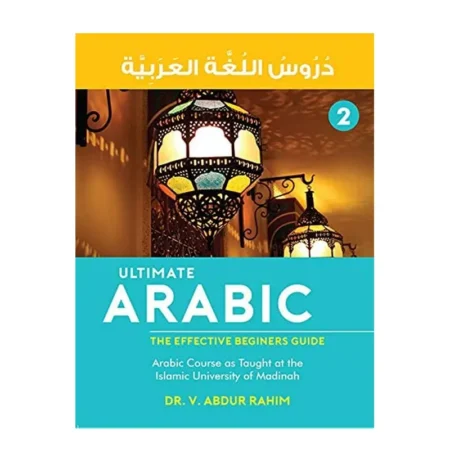
- Have a stronger understanding of basic and intermediate Arabic grammar, including verb conjugation, pluralization, and sentence formation.
- Expand vocabulary related to daily life, social interactions, and Islamic contexts.
- Develop confidence in reading and writing simple Arabic sentences accurately.
- Engage in basic conversations in Arabic, applying grammar and vocabulary in practical situations.
- Recognize and correctly pronounce Arabic letters and sounds.
- Understand the connection between grammar, vocabulary, and sentence construction
2 in stock

2 in stock

- Quran Stories For Toddlers Board Book Saniyasnain Khan (Goodword) Arabic
1 in stock
Reviews
There are no reviews yet.