
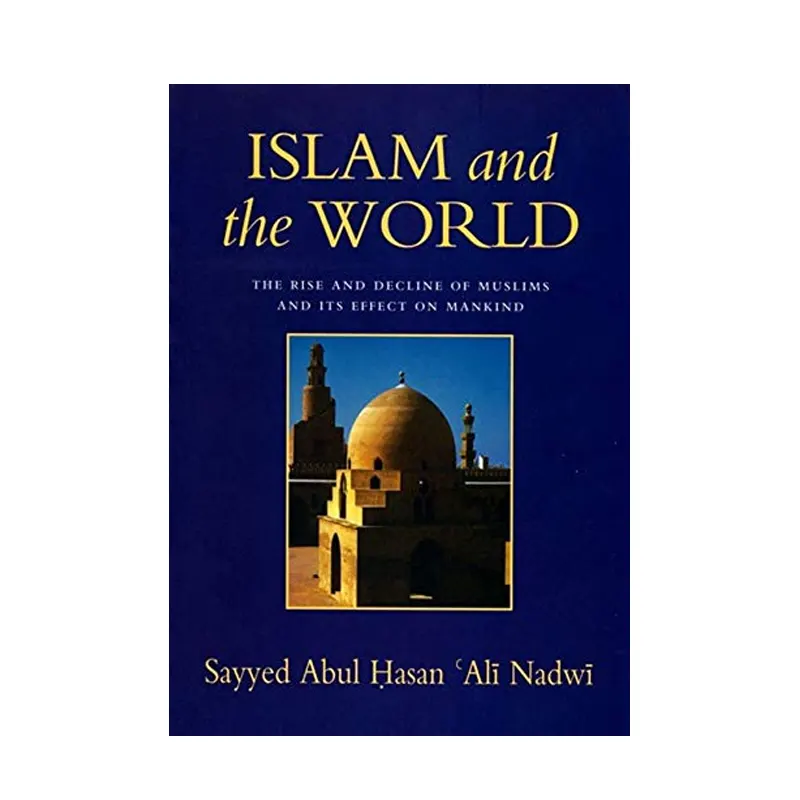
Islam And The World ( Sayed Abul Hasan Nadvi ) Lucknow English
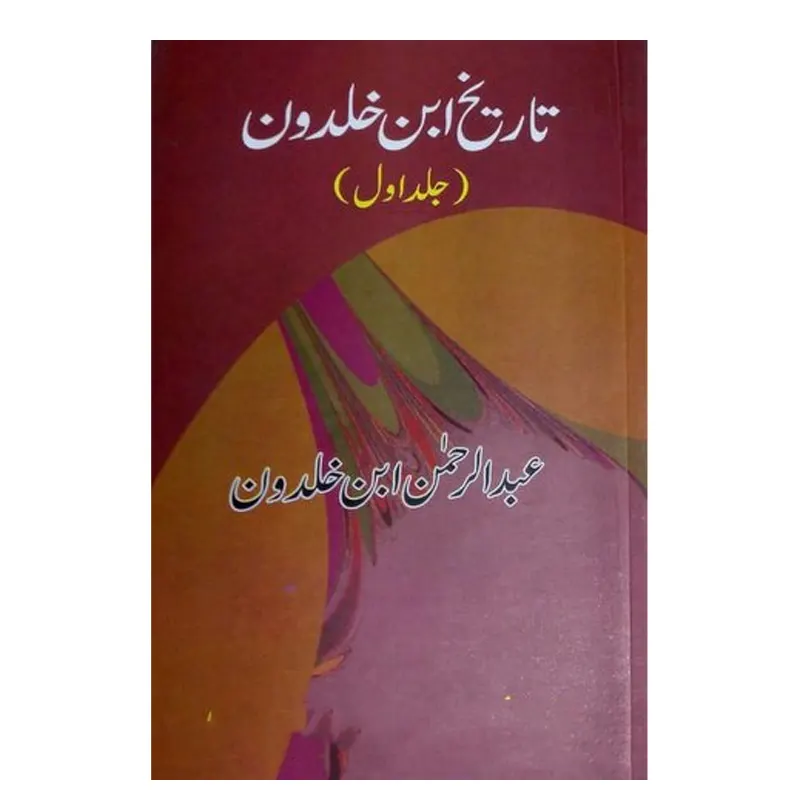
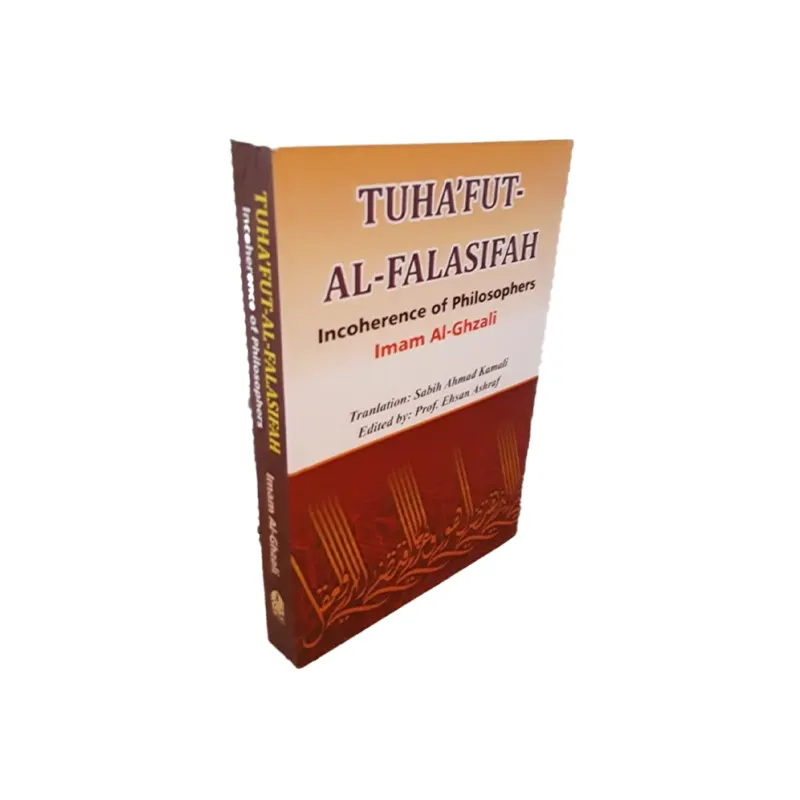
₹220.00
- Islam And The World ( Sayed Abul Hasan Nadvi ) Lucknow English
- 1. Historical Context Before Islam
- 3. Islam’s Contribution to Civilization
- 4. Islam versus Materialism and Western Civilization
- 5. The Universality of Islam
- 6. Challenges for the Modern Muslim World
Out of stock
Islam And The World ( Sayed Abul Hasan Nadvi ) Lucknow English
Sayed Abul Hasan Nadvi’s Islam and the World is a seminal work that examines the historical, spiritual, and cultural impact of Islam on humanity and contrasts it with the state of the world before and after the emergence of Islam. The book is notable for its intellectual depth and its attempt to provide a comprehensive understanding of Islam’s role in shaping civilization, ethics, and global history.
1. Historical Context Before Islam
Nadvi begins by describing the moral, social, and political conditions of the pre-Islamic world, often referred to as the “Age of Ignorance” in Islamic literature. He points out that before Islam, humanity was fragmented into numerous tribes, kingdoms, and empires, often characterized by oppression, tyranny, and moral decay. The prevailing systems of governance were largely unjust, and societies were riddled with class inequalities, slavery, and exploitation. Religion, in many parts of the world, had been reduced to ritualism, superstition, and idol worship rather than providing a moral and ethical guide for life.
He emphasizes that while civilizations such as Greece, Rome, and Persia had made significant contributions in arts, philosophy, and governance, they lacked a comprehensive moral framework that could ensure social justice, human dignity, and spiritual fulfillment for all members of society. Nadvi asserts that the pre-Islamic world, despite its material achievements, was spiritually impoverished.
2. The Emergence of Islam
According to Nadvi, Islam emerged in Arabia as a revolutionary force both spiritually and socially. The Prophet Muhammad (peace be upon him) brought a message that was universal in scope, emphasizing monotheism, moral responsibility, and social equity. Nadvi stresses that the Qur’an was not only a spiritual guide but also a social, legal, and moral framework capable of transforming societies.
Nadvi highlights several transformative principles of Islam:
Unity of God (Tawheed): Islam’s concept of monotheism established a direct relationship between humans and the Divine, promoting accountability, humility, and ethical living.
Human Dignity: Islam teaches that all humans are equal in the sight of God, eradicating notions of racial, ethnic, or social superiority.
Social Justice: Islam mandates care for the poor, orphans, and marginalized sections of society through mechanisms such as zakat (almsgiving) and encourages ethical trade and governance.
Comprehensive Law (Sharia): Islam provides guidelines that encompass personal, social, and political life, ensuring a balance between individual rights and communal responsibilities.
Nadvi notes that these principles were revolutionary in the 7th century and had a profound impact on Arabian society, unifying tribes under a moral and ethical framework that transcended narrow loyalties and prejudices.
3. Islam’s Contribution to Civilization
One of the key themes Nadvi explores is the civilizational contribution of Islam. He argues that Islamic civilization successfully integrated faith with reason, spirituality with worldly knowledge, and individual well-being with social welfare. During the Islamic Golden Age, Muslims made remarkable advances in science, medicine, philosophy, mathematics, architecture, and literature. Nadvi highlights that Islamic teachings fostered an environment where knowledge was valued, diversity was respected, and human intellect was encouraged to explore the universe.
Moreover, Nadvi points out that Islam encouraged trade, exploration, and cultural exchanges. Muslim scholars translated Greek, Persian, and Indian texts into Arabic, preserving and enriching global knowledge. Cities like Baghdad, Cordoba, and Cairo became centers of learning, reflecting the dynamic synthesis of religion and intellect in the Islamic worldview.
4. Islam versus Materialism and Western Civilization
Nadvi also provides a critique of the modern Western world, noting that despite technological and scientific progress, Western civilization has often neglected spiritual and ethical dimensions. He asserts that material progress alone cannot ensure human happiness or societal stability. By contrasting the West’s material achievements with the ethical and spiritual vision of Islam, Nadvi emphasizes that Islam provides a holistic framework for life, addressing both the material and moral needs of humanity.
He stresses that the ethical decline, exploitation, and social disintegration in modern societies are evidence of a civilization divorced from spiritual values. In contrast, Islam’s approach balances the physical and spiritual, individual and collective, temporal and eternal.
5. The Universality of Islam
A central theme in Nadvi’s book is the universality of Islam. Unlike other religions or systems of thought that were limited to particular races, tribes, or nations, Islam addresses the entirety of humanity. Its message transcends geography, culture, and time. Nadvi explains that Islam’s principles are not merely theoretical; they offer practical solutions to political, economic, and social problems.
He also highlights the role of Muslims as agents of moral and social reform, emphasizing that their duty is to embody Islamic values in personal life and society. Nadvi envisions a world where the ethical and spiritual principles of Islam can guide international relations, social justice, and human welfare.
6. Challenges for the Modern Muslim World
Towards the conclusion, Nadvi examines the challenges faced by the contemporary Muslim world. He acknowledges that colonialism, materialism, and internal divisions have weakened Muslim societies, leading to stagnation in scientific, cultural, and political development. However, he emphasizes that revival is possible by returning to the core teachings of Islam—faith, moral responsibility, social justice, and intellectual engagement.
Nadvi encourages Muslims to integrate religious knowledge with modern education, promoting both spiritual growth and worldly competence. He advocates for unity, moral integrity, and proactive engagement with global issues, urging Muslims to contribute positively to civilization rather than remain isolated or reactive.
7. Conclusion
In Islam and the World, Sayed Abul Hasan Nadvi presents a compelling argument that Islam is not only a religion but a comprehensive system capable of guiding humanity in all dimensions of life. He underscores that Islam brought spiritual enlightenment, moral reform, social justice, and intellectual advancement to the world. By comparing pre-Islamic societies, the Islamic golden age, and modern challenges, Nadvi illustrates the timeless relevance of Islamic teachings.
Ultimately, Nadvi’s work serves as both a historical analysis and a call to action. It reminds readers that the ethical and spiritual vision of Islam has the potential to address contemporary crises, guide societies toward justice and harmony, and foster a civilization that balances material progress with moral and spiritual well-being. The book is an appeal to understand Islam’s transformative power and its enduring relevance in shaping a better world.
| Weight | 450 g |
|---|---|
| Dimensions | 21 × 2 × 14.8 cm |
Only logged in customers who have purchased this product may leave a review.
Related Products

- A rich fragrance starting with hints of pink pepper, cardamom, saffron and nutmeg
- The heart turns strong and masculine with notes of geranium and myrrh leading to a trail of precious oud, patchouli, leather and incense
- Long lasting fragrance
- Contains Eau De Toilette, body wash and deodorant for men
24 in stock

Key Themes and Analysis
1. Administrative Changes Under Mughal Rule
2. Socio-Cultural Transformations
3. Economic Developments
4. Decline of Mughal Influence and Rise of Maratha Power
5. British Colonial Encroachment
1 in stock

- 100% Authentic & Original Products
- 100% Organic Products
- Suitable for All Skin Types
29 in stock

- Brand- Hlr Star
- Name- Eyeshadow
3 in stock

- Tasty Chocolate
- Package Contents: 1 Chocolate Box
- Perfect Gift
4 in stock

- Vanity Box 66152 1N
1 in stock

2 in stock

1 in stock

- National Brand
- A product of Lion
4 in stock

- Oud Sharqia Perfumed Water
- 100Ml
2 in stock
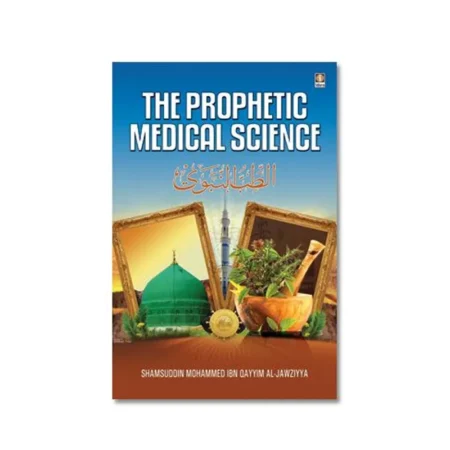
- The Prophetic Medical Science Shamsuddin Mohammed Ibn Qayyim Al-Jawziyya Idara (English)
- Purpose and Scope of the Book
- Preservation of Health in Islam: The book aims to highlight how Islam promotes personal hygiene, healthy living, and disease prevention.
- Spiritual and Ethical Integration: Prophetic medicine is not just physical; it incorporates mental and spiritual health.
- Practical Guidance: Offers remedies, preventive measures, and dietary recommendations that are relevant for contemporary readers.
- Educational Resource: Serves scholars, students, healthcare professionals, and anyone interested in the intersection of medicine and Islamic guidance.
- The book emphasizes that health is a divine trust and that human beings have a responsibility to care for their bodies and souls.
- 2. Concept of Health in Prophetic Medicine
- Holistic Approach: Health encompasses physical, mental, and spiritual well-being. A balanced lifestyle ensures harmony among body, mind, and soul.
- Preventive Care: Emphasizes diet, cleanliness, exercise, and moderation as primary means of disease prevention.
- Spiritual Health: Strong faith, prayer, gratitude, and ethical conduct are considered essential for overall well-being.
- Natural Remedies: The Prophet recommended natural substances like honey, black seed (Nigella sativa), dates, olive oil, and water for healing and maintenance of health.
1 in stock

- Sagai Dates
- 500G
34 in stock
Reviews
There are no reviews yet.