
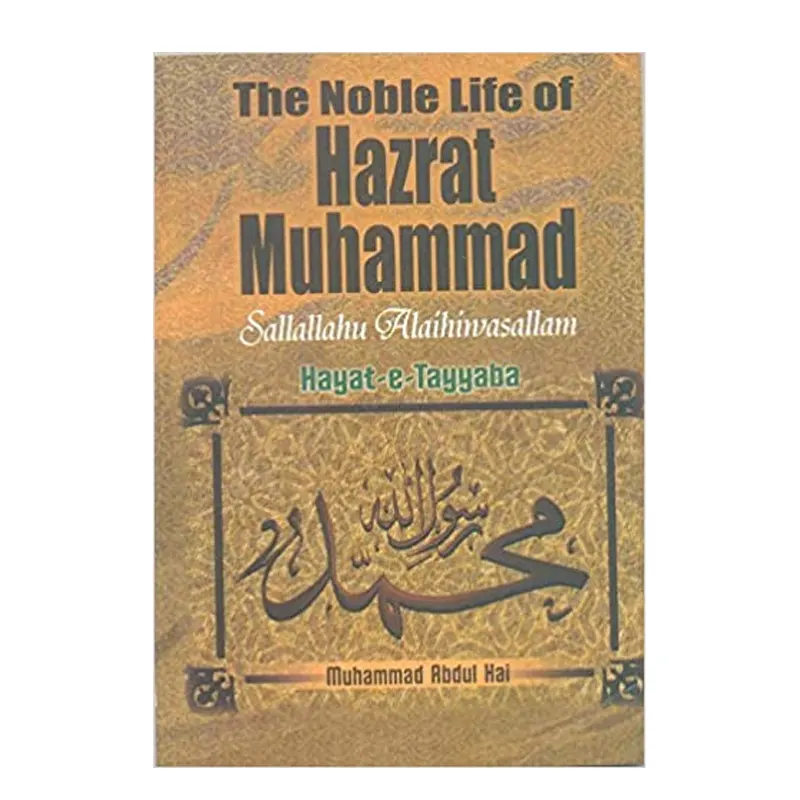
Al Hasanat The Noble Life Of Muhammad (S.A.W.) Hayat-E-Tayyaba Muhammad Abdul Hai (English)
₹180.00
- The Noble Life Of Muhammad (S.A.W.) Hayat-E-Tayyaba Muhammad Abdul Hai Al Hasanat (English)
- 1. Early Life and Character of the Prophet
- 2. Prophethood and Spiritual Mission
- 3. Personal Conduct and Ethical Lessons
- 4. Social Reforms and Leadership
- 5. Challenges and Patience
- 6. Family Life and Compassion
- 7. Teaching and Spiritual Guidance
Out of stock
Al Hasanat The Noble Life Of Muhammad (S.A.W.) Hayat-E-Tayyaba Muhammad Abdul Hai (English)
“Al-Hasanat: The Noble Life of Muhammad (S.A.W.)” by Muhammad Abdul Hai is a comprehensive account of the life, character, and teachings of Prophet Muhammad (peace be upon him), drawn from the Hayat-e-Tayyaba. The book emphasizes the Prophet’s exemplary qualities and the practical lessons his life offers for humanity. It presents him not only as a spiritual guide but also as a moral, social, and ethical role model. Muhammad Abdul Hai, through simple yet precise narration, brings out the essence of the Prophet’s life, focusing on his noble character, leadership, and devotion to God.
1. Early Life and Character of the Prophet
The book begins with the early life of Muhammad (S.A.W.) in Mecca, highlighting his family background, upbringing, and formative experiences. Born into the respected tribe of Quraysh, the Prophet was known for his honesty, trustworthiness, and integrity from a young age. Abdul Hai stresses the significance of his nickname Al-Amin (the Trustworthy), which reflects his unwavering moral character.
The author emphasizes that Muhammad’s ethical qualities were evident long before his prophethood. His concern for justice, compassion for others, and avoidance of wrongdoing laid the foundation for his later mission. Through these anecdotes, the book shows that good character is the cornerstone of personal development and social influence.
2. Prophethood and Spiritual Mission
The book details the moment of revelation at the age of forty, when the Angel Jibreel (Gabriel) conveyed the first message of Allah. Abdul Hai illustrates how the Prophet accepted this divine responsibility with humility, patience, and unwavering faith. He immediately began calling his family, friends, and eventually the wider community to the path of Islam, emphasizing monotheism, moral conduct, and social justice.
A major theme in the book is the Prophet’s approach to spreading his message peacefully. Even when faced with hostility, persecution, and ridicule, Muhammad (S.A.W.) remained patient and steadfast. Abdul Hai highlights the transformative power of moral integrity and spiritual sincerity, showing that the Prophet’s influence stemmed not from force, but from his character and example.
3. Personal Conduct and Ethical Lessons
Muhammad Abdul Hai emphasizes the personal virtues of the Prophet: truthfulness, humility, generosity, forgiveness, and patience. The Prophet’s life is presented as a model of ethical living, showing how one can maintain moral excellence even in the face of trials. For instance, the Prophet forgave those who opposed him, never sought revenge, and prioritized the welfare of others above personal gain.
The book provides multiple examples of the Prophet’s ethical guidance in daily life. From interactions with family members to dealings with neighbors, Muhammad’s behavior reflected fairness, compassion, and justice. Abdul Hai underscores that these lessons are timeless and universal, offering guidance for both individual conduct and community relations.
4. Social Reforms and Leadership
A significant focus of Al-Hasanat is the Prophet’s role as a social reformer. Muhammad (S.A.W.) worked to eradicate injustice, inequality, and ignorance in society. Abdul Hai describes how he championed the rights of women, children, slaves, and the poor, emphasizing that true leadership is service-oriented and rooted in ethical principles.
The book explains that the Prophet’s leadership was based on consultation, wisdom, and moral authority rather than coercion. He encouraged education, mutual respect, and the resolution of conflicts through dialogue. These reforms, while religiously motivated, also had profound social and ethical implications, fostering harmony and justice in the community.
5. Challenges and Patience
Abdul Hai details the numerous hardships faced by the Prophet and his followers. Persecution in Mecca, boycotts, and personal losses tested their faith. The author highlights the Prophet’s patience, resilience, and reliance on Allah during these trials. Muhammad’s calm and composed response to adversity serves as a guide for dealing with difficulties in personal and social life.
One key lesson the book emphasizes is that steadfastness in the face of challenges, combined with ethical conduct, ultimately leads to positive outcomes. Abdul Hai illustrates that the Prophet’s perseverance not only preserved his mission but also inspired generations to uphold moral and spiritual principles.
6. Family Life and Compassion
The book provides detailed insights into the Prophet’s family life, highlighting his roles as a husband, father, and friend. Abdul Hai emphasizes Muhammad’s compassion, understanding, and equitable treatment of his family members. The Prophet’s patience, affection, and guidance within the household reflect the importance of moral and spiritual leadership starting from the family unit.
Through these examples, readers are reminded that ethical conduct and spiritual values begin at home, shaping broader social behavior and interactions.
7. Teaching and Spiritual Guidance
Al-Hasanat explores the Prophet’s method of teaching and guiding people towards righteousness. Abdul Hai illustrates that Muhammad’s approach was rooted in kindness, wisdom, and understanding. He addressed people according to their capacity, employed gentle persuasion, and emphasized reflection and contemplation over blind adherence.
The author underscores that the Prophet’s spiritual guidance was holistic, encompassing moral, social, and personal dimensions. The emphasis on prayer, honesty, compassion, and social responsibility demonstrates a comprehensive framework for leading a noble life.
8. Legacy and Universal Relevance
Muhammad Abdul Hai presents the Prophet’s life as a universal model for humanity. The book emphasizes that the principles exemplified by Muhammad—truth, justice, compassion, patience, and devotion—transcend time and geography. The Prophet’s example is not confined to religious contexts but serves as guidance for ethical living, leadership, conflict resolution, and social harmony.
Abdul Hai argues that by studying and emulating the Prophet’s life, individuals and societies can cultivate moral integrity, social justice, and inner peace. The book encourages readers to internalize these values and apply them in everyday life, demonstrating that the teachings of Muhammad (S.A.W.) remain relevant in modern times.
Conclusion
“Al-Hasanat: The Noble Life of Muhammad (S.A.W.)” by Muhammad Abdul Hai is both a biography and a moral guide. It presents the Prophet as a paragon of virtue, a patient and just leader, a reformer, and a compassionate human being. Through detailed accounts of his life, character, and teachings, the book emphasizes that Muhammad’s greatness lay not in political power but in ethical and spiritual excellence.
Abdul Hai’s work inspires readers to emulate the Prophet’s noble qualities, emphasizing that a life rooted in moral integrity, compassion, and devotion to God can lead to personal fulfillment and societal harmony. The book also addresses misconceptions about Islam, portraying the Prophet as a universal guide whose message of peace, justice, and righteousness continues to offer guidance for people of all backgrounds.
In essence, Al-Hasanat is more than a historical account—it is a practical manual for ethical living, illustrating how the life of Muhammad (S.A.W.) provides timeless lessons in patience, morality, leadership, and spiritual devotion. By following the Prophet’s example, individuals can strive for personal excellence, strengthen family and community bonds, and contribute to a just and harmonious society.
| Weight | 250 g |
|---|---|
| Dimensions | 21.5 × 14 × 1.65 cm |
Only logged in customers who have purchased this product may leave a review.
Related Products

- Al-Qamoosul Madrasi Dictionary Elias A. Alias Al Hasanat (Arabic/English)
- Key Features of the Dictionary
- Bilingual Approach
Each Arabic word is listed with its English meaning, usage, and sometimes pronunciation notes. This helps learners recognize semantic nuances. - Contextual Usage
Words are often accompanied by examples drawn from classical Arabic literature, Quranic verses, or Hadiths. This ensures that readers understand the word in its proper context. - Root-Based Organization
Arabic words are organized based on their root letters (usually three letters). This is essential in Arabic because many words derive from the same root but have different forms and meanings. - Focus on Islamic Concepts
Terms related to religion, ethics, law, and morality are highlighted, making it suitable for Islamic studies.
2 in stock

- Conclusion
- Mukhtasar Tareekh Mashaikh-e-Awadh by Dr. Razi Ahmad Kamal is a concise yet comprehensive study of the spiritual, cultural, and social contributions of Sufi saints in Awadh.
- The book highlights the spiritual guidance, ethical influence, and societal reform brought about by the Mashaikh.
- Sufi saints acted as moral exemplars, educators, and cultural patrons, shaping Awadh’s identity and leaving a lasting legacy.
- The work demonstrates how Islamic spirituality, when integrated with social and cultural engagement, creates a balanced and harmonious society.
- Key Takeaways:
- Sufi saints of Awadh were central to both spiritual guidance and societal welfare.
- Their teachings emphasized ethics, devotion, and service to humanity.
- Different Sufi orders (Chishti, Qadiri, Suhrawardi, Naqshbandi) contributed unique perspectives and practices.
- Saints influenced governance, culture, education, and interfaith harmony.
- The legacy of Awadh’s Mashaikh continues to inspire spirituality, literature, and cultural identity in the region.
2 in stock
- Hayat-E-Tayyaba Abu Saleem Mohammad Al Hasanat (Urdu)
7 in stock

- Aap Beti Part 1 & 2 Autobiography Of Maulana Zakariyya (Idara) English
- 1. Early Life and Family Background
- Maulana Zakariyya Kandhlawi was born in 1898 in Kandhla, India, into a family deeply committed to Islamic scholarship. The autobiography highlights the influence of his parents and extended family, who emphasized religious education, ethical conduct, and spiritual development.
- Even in his early years, he exhibited remarkable memory, curiosity, and devotion to learning. The book emphasizes how his upbringing instilled the foundations of moral character, spiritual awareness, and a love for Islamic knowledge that would guide his entire life.
- 2. Education and Scholarly Formation
- One of the central themes of Aap Beeti is Maulana Zakariyya’s rigorous Islamic education. He pursued studies in:
- Hifz-ul-Qur’an: Memorizing the Qur’an at a young age
- Hadith: Studying Prophetic traditions with renowned teachers
- Fiqh (Islamic jurisprudence): Mastering Hanafi fiqh and related texts
- Tafsir and Aqidah: Understanding the Qur’an and Islamic creed
- Maulana Zakariyya narrates the challenges he faced, including long hours of study, travel to different madrasas, and personal discipline. The autobiography conveys the dedication required to attain deep Islamic knowledge, highlighting both intellectual rigor and spiritual commitment.
- 3. Spiritual Development and Personal Virtues
- Throughout his life, Maulana Zakariyya (RA) emphasized the integration of knowledge with spiritual practice. His autobiography details his efforts in:
- Regular Salah and Dhikr: Maintaining consistent prayer and remembrance of Allah
- Ethical Conduct: Upholding truthfulness, humility, and honesty in personal and social life
- Self-Discipline: Controlling desires and striving for moral refinement
- Service to Islam: Prioritizing da‘wah, teaching, and moral guidance over personal comfort
3 in stock

- Structure and Features
- Arabic Text
- Preserves authentic Uthmani script for correct recitation.
- Includes ayah numbering, surah headings, and sections for easy reference.
- Hindi Translation
- Clear, literal translation accompanied by contextual meaning.
- Uses simple Hindi for readers of all levels.
- Explanatory Commentary
- Explains historical background, ethical teachings, and spiritual guidance.
- Highlights practical lessons for daily life.
- Focuses on peace, morality, and understanding rather than complex academic discourse.
- Thematic Organization
- Surahs presented in traditional order for continuity of reading.
- Footnotes clarify difficult Arabic terms or phrases.
- Practical Layout
- Clear page formatting for comfortable reading.
- Some editions include indexes or topic-based references for easier navigation.
1 in stock

14 in stock
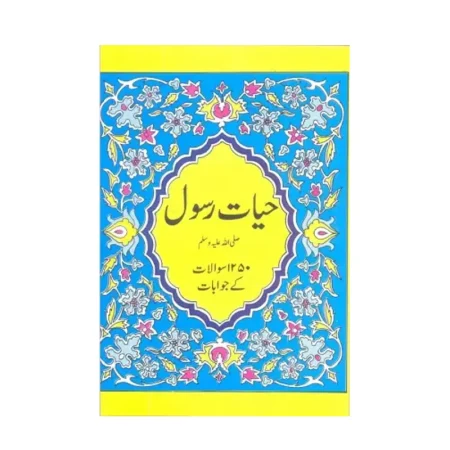
- Author: Ali Asghar Chaudhary
- 256 Pages
- Language: Urdu
- Publisher: Al-Hasanat
4 in stock
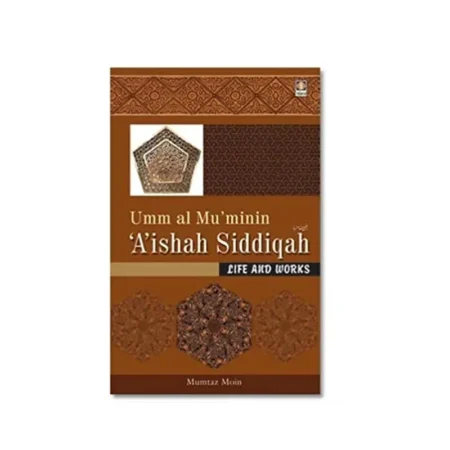
- Paperback
- Publisher: idara impex (2009)
2 in stock

- Quran Sharif Muhammad Farooq Khan Al Hasanat (Hindi/Roman)
- Structure and Features
- Arabic Text
- Maintains authentic Uthmani script.
- Includes ayah numbers, surah headings, and section markers (Ruku) for navigation.
- Hindi Translation
- Simple, concise Hindi explanation for each verse.
- Focuses on meaning, context, and practical guidance.
- Roman Urdu Transliteration
- Guides readers in correct pronunciation of Arabic verses.
- Particularly helpful for beginners, students, and Hindi speakers unfamiliar with Arabic script.
- Explanatory Commentary
- Includes brief explanations, highlighting:
- Historical context (Asbab al-Nuzul)
- Moral and spiritual lessons
- Application in daily life
- Commentary avoids overly complex scholarly discussions, emphasizing clarity and understanding.
- Practical Layout
- Arabic text, Hindi translation, and Roman Urdu transliteration are aligned for easy reading.
- High-quality printing ensures clarity, durability, and usability.
1 in stock

- Al-Qamoosul Madrasi Dictionary English-Arabic Elias A. Alias Al Hasanat
- Purpose and Audience
- The dictionary is aimed at multiple groups:
- Students of English and Arabic – assisting learners in improving their vocabulary, comprehension, and translation skills.
- Teachers and Educators – providing a structured reference tool for classroom instruction.
- Translators and Researchers – offering precise bilingual equivalents for professional or academic translation.
- General Learners – suitable for anyone seeking to understand English words in Arabic.
- Professionals – including journalists, writers, and academicians who require accurate bilingual reference.
2 in stock
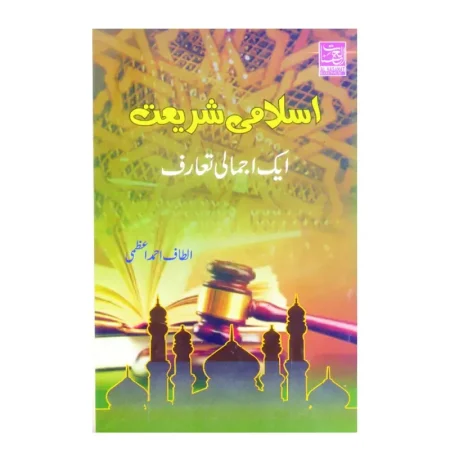
- Islami Shariyat Altaf Ahmad Aazmi Al Hasanat (Urdu)
2 in stock

- Antim Sandesta Kab Kahan Aur Kaun Mufti Muhammad Sarwar Farooqui Nadvi Al Hasanat (Hindi)
2 in stock
Reviews
There are no reviews yet.